Introduction
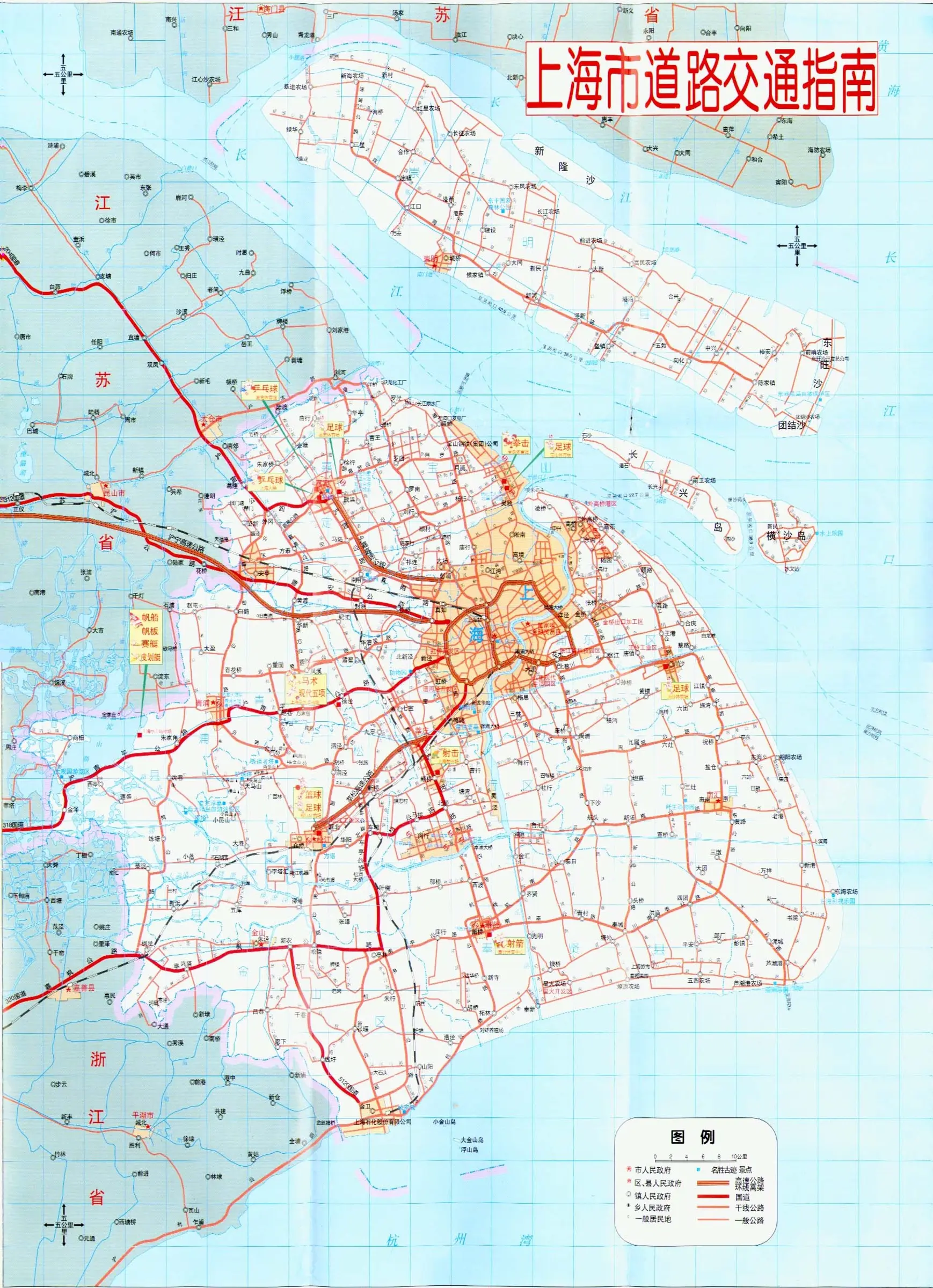
Shanghai, a bustling metropolis located on China’s eastern coast, is increasingly recognized as one of the world’s most influential cities. With a population of over 24 million, Shanghai is not only a cultural melting pot but also a global financial hub. Its architectural marvels, rich history, and rapid economic growth underscore its importance in today’s interconnected world.
Economic Significance
Shanghai serves as a central hub for international trade and finance. According to the Shanghai Municipal Bureau of Statistics, the city’s GDP reached approximately 4 trillion RMB (around 620 billion USD) in 2022, solidifying its status as the largest city economy in China. Major financial institutions, such as the Shanghai Stock Exchange, the largest in Asia by market capitalization, continue to attract foreign investment and talent.
Cultural Richness
The city is equally famed for its vibrant culture that mixes Eastern and Western influences. Historical sites such as the Bund and Yuyuan Garden stand alongside modern architecture, including the Shanghai Tower, which is the second tallest building in the world. Cultural events, such as the Shanghai International Film Festival, and vibrant food offerings, from traditional dim sum to international cuisines, showcase Shanghai’s diverse heritage.
Recent Developments
In response to global challenges, Shanghai has made significant strides in becoming a smart city. Innovations in technology, including artificial intelligence and digital industries, are reshaping urban living. Recent investments of over 100 billion RMB in tech development aim to improve infrastructure and promote sustainable living. Additionally, Shanghai is prioritizing green spaces, creating a more livable environment amidst rapid urbanization.
Conclusion
As Shanghai continues to grow, its impact on global finance, culture, and technology will remain profound. The city’s resilience during recent global events, including the COVID-19 pandemic, highlights its adaptability and commitment to innovation. For readers interested in the future of urban development, Shanghai serves as an exciting case study of a city that is not only embracing history but is also on the cutting edge of modern advancements.