Introduction
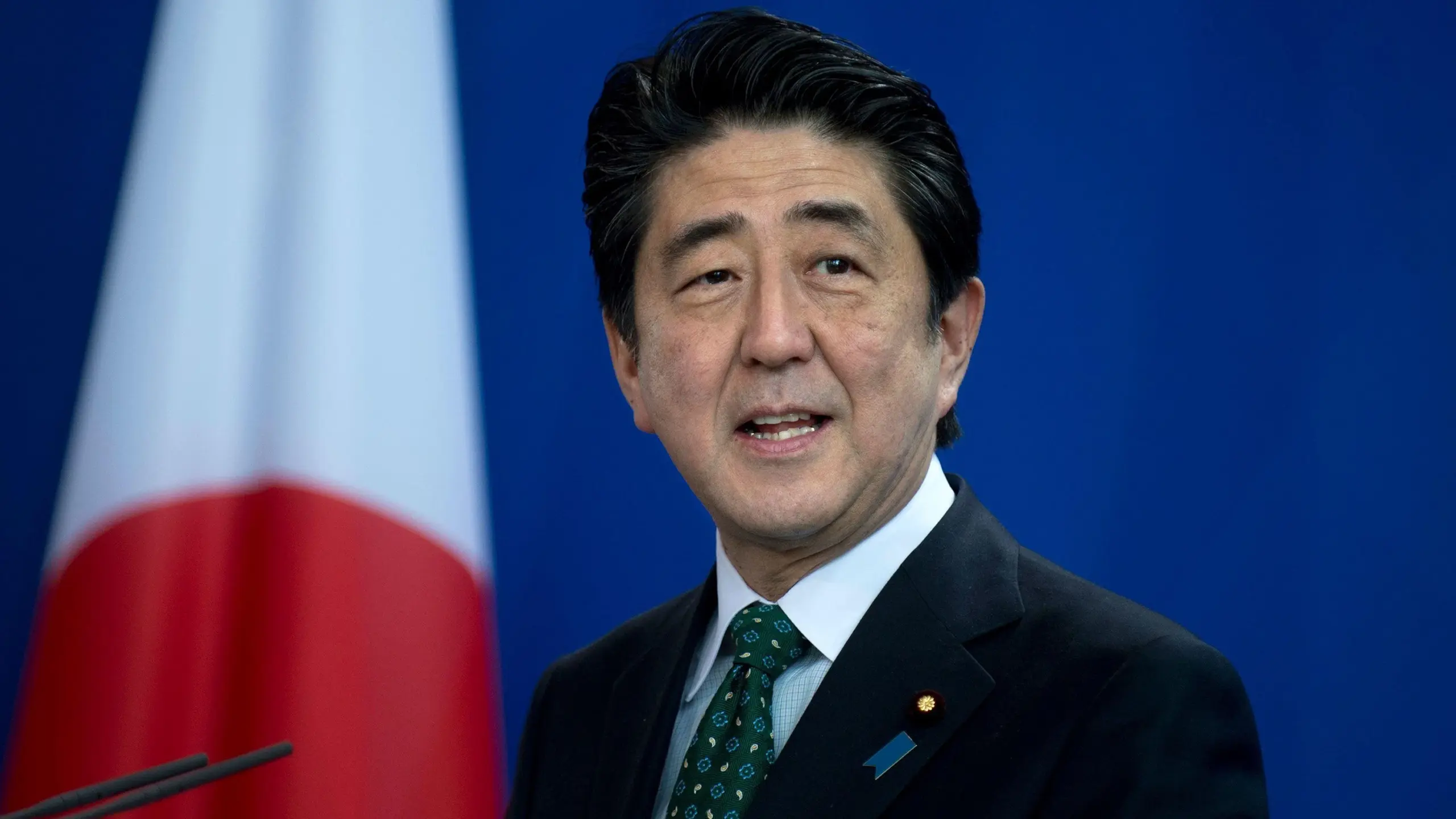
Shinzo Abe, Japan’s longest-serving Prime Minister, played a crucial role in shaping modern Japan’s political landscape.
His policies and governance have significantly influenced both domestic and international relations, making his legacy a topic of considerable importance and relevance in current discussions about Japan’s future.
Key Policies and Achievements
Abe first served as Prime Minister from 2006 to 2007 and returned to power in 2012, serving until 2020. His economic strategy, known as “Abenomics,” aimed to revive Japan’s stagnant economy through monetary easing, fiscal stimulus, and structural reforms. These measures reportedly helped stabilize Japan’s economy, contributing to a decrease in unemployment and a rise in stock market prices during his tenure.
International Relations
Under Abe’s leadership, Japan sought to strengthen its international presence. He advocated for a more proactive foreign policy, aiming to bolster Japan’s defense capabilities and solidifying alliances with countries like the United States and India. This approach included increasing the defense budget and engaging in international cooperative frameworks, particularly emphasizing regional security in response to threats from North Korea and rising tensions with China.
Controversies
Despite his accomplishments, Abe’s administration faced substantial criticism. His push for constitutional amendments to allow Japan to exercise collective defense raised concerns regarding Japan’s pacifist post-WWII stance. Furthermore, Abe’s handling of historical issues, including Japan’s actions during World War II, elicited backlash both domestically and internationally.
His Assassination and Its Impact
The assassination of Shinzo Abe on July 8, 2022, shocked Japan and the world. His death not only stole a prominent political figure from Japan but also raised questions regarding security and political violence in a nation known for its low crime rates. This incident has prompted national debates about security measures associated with public figures and the necessity of addressing rising political tensions.
Conclusion
Shinzo Abe’s legacy is complex and multifaceted, reflecting both significant achievements and ongoing challenges facing Japan. His approach to economics and foreign relations has left a lasting impact that continues to shape Japan’s trajectory. As Japan moves forward, the discussions on Abe’s policies and their long-term implications will likely remain integral to understanding Japan’s position in global affairs.
In conclusion, Shinzo Abe’s contributions to Japanese politics will be assessed for years to come, as both supporters and critics evaluate his legacy amid evolving geopolitical landscapes.