Introduction
The NASA Artemis II mission marks a significant milestone in the United States’ efforts to return astronauts to the Moon and beyond. As a crucial step in NASA’s Artemis program, the launchpad for Artemis II plays a pivotal role in the testing and eventual launch of the Space Launch System (SLS) and the Orion spacecraft. This article delves into the importance of the launchpad, ongoing preparations, and its implications for future space exploration.
Details of the Artemis II Mission
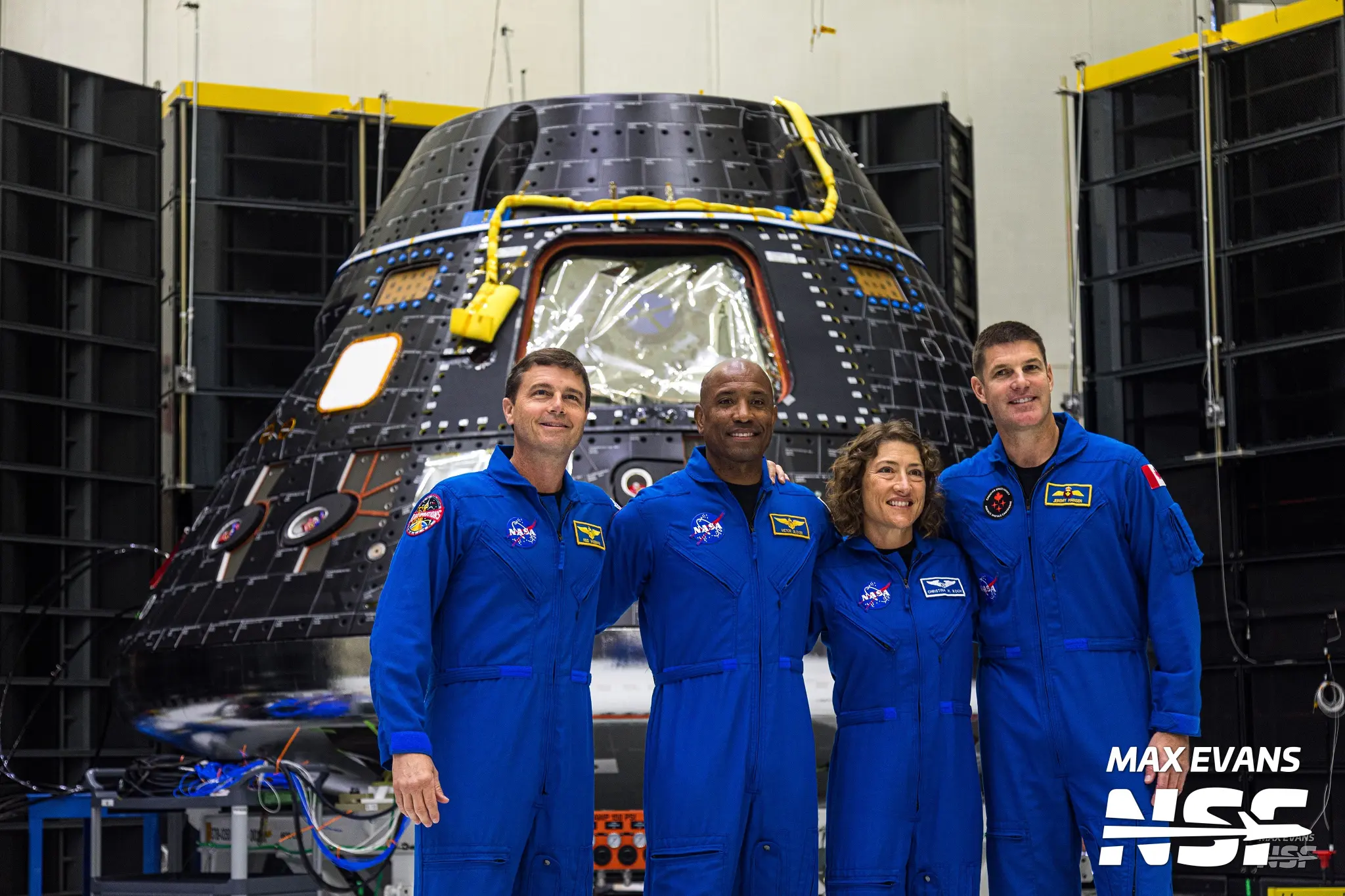
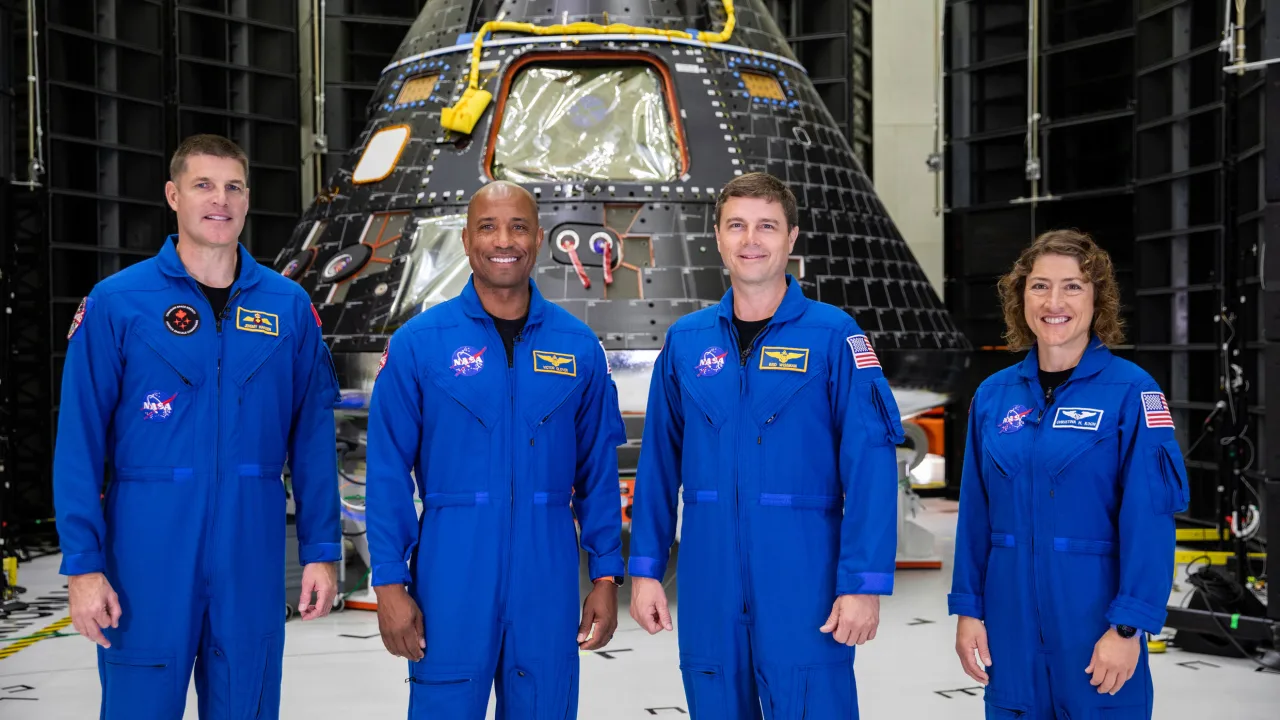
Scheduled for launch in 2024, Artemis II will be NASA’s first crewed test flight to the Moon since the Apollo missions. The mission includes a 10-day journey around the Moon, aiming to demonstrate critical systems and assess performance before subsequent missions, including lunar landings. The Artemis II launchpad, located at the Kennedy Space Center in Florida, is designed to accommodate the massive SLS rocket, the most powerful rocket ever built for human spaceflight.
Current Preparations at the Launchpad
As of October 2023, teams at the Kennedy Space Center are busy conducting tests and upgrades to ensure the launchpad meets the technical requirements for the Artemis II mission. This includes extensive testing of the launch infrastructure, including fueling systems and support equipment. The preparations serve not only to ensure the safety of the astronauts on board but also to refine the processes for future Artemis missions.
Technology and Innovations
The technology at the Artemis II launchpad is a testament to decades of engineering advancements. The SLS uses a combination of liquid hydrogen and liquid oxygen for its core stage, representing a significant leap in propulsion technology. The Orion spacecraft, which will carry astronauts, is equipped with upgraded life support systems and avionics capable of supporting lunar missions. Together, these innovations reflect NASA’s commitment to sustainable human presence on the Moon and future missions to Mars.
Conclusion
The Artemis II rocket launchpad is not just a piece of infrastructure; it symbolizes humanity’s ongoing journey into space. As preparations continue, the launchpad will play a vital role in re-establishing human presence on the Moon. Looking ahead, successful missions from this launchpad will pave the way for future exploration of Mars and beyond, contributing significantly to our understanding of the universe and promoting international collaboration in space exploration.