The numbers
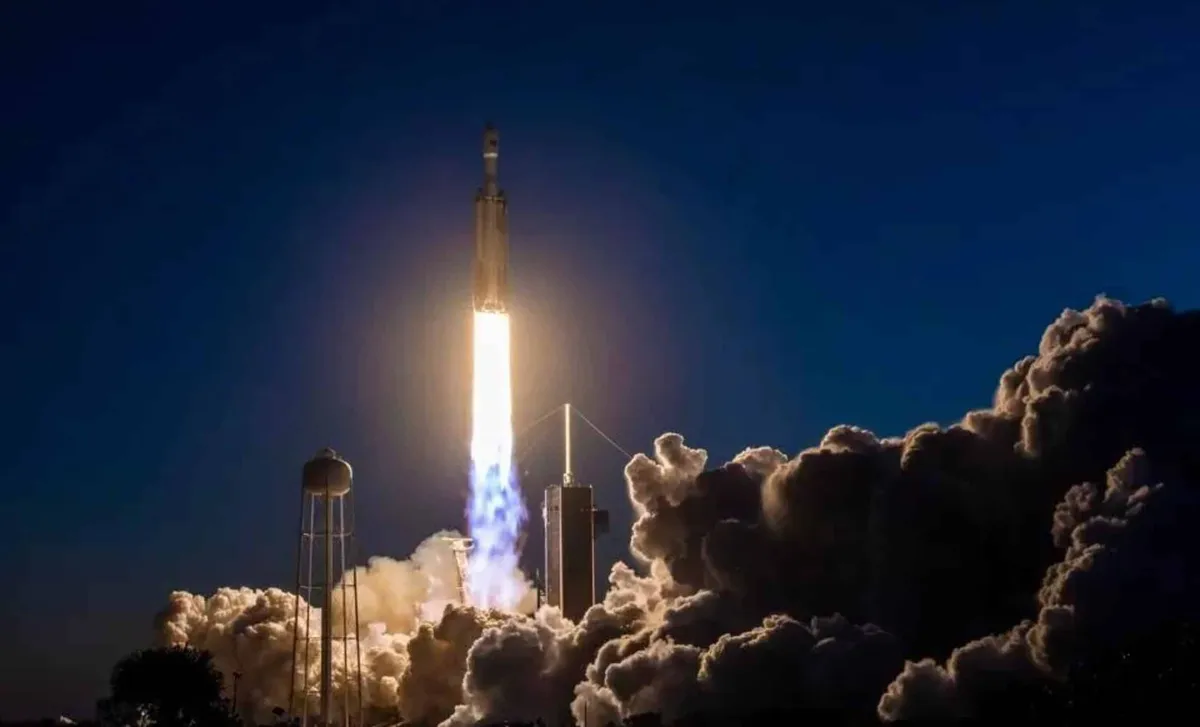
On March 16, 2026, at 10:19:09 p.m. PDT, SpaceX launched 25 Starlink satellites into low Earth orbit from Vandenberg Space Force Base in California. This launch marked the 615th flight of the Falcon 9 rocket, showcasing SpaceX’s continued commitment to expanding its satellite network.
The Falcon 9 rocket flew on a southerly trajectory from Space Launch Complex 4 East, demonstrating the versatility of the launch site. This event was notable as it represented the 17th orbital launch from Vandenberg Space Force Base in 2026 alone, underscoring the increasing frequency of launches from this location.
The first stage booster used for this mission was tail number 1088, which has now completed 14 flights. After successfully deploying the satellites, B1088 landed on the drone ship “Of Course I Still Love” in the Pacific Ocean, marking the 184th landing on that platform. This achievement contributes to SpaceX’s impressive record of 586 total booster landings.
SpaceX’s Starlink service has seen remarkable growth, with over 10 million active customers across 160 countries. The company has been averaging a launch every 2.3 days in 2026, reflecting its aggressive expansion strategy. Recent activations of Starlink connectivity in regions such as Niue, Kuwait, and the Central African Republic highlight the global reach of the service.
Dr. Jonathan McDowell commented on the advancements in satellite technology, stating, “The number of avoidance maneuvers, 10s of thousands of avoidance maneuvers a year that the system is making to avoid running into itself is just so far beyond what anyone was doing in the 2010s, much less earlier.” This emphasizes the complexities of managing a growing satellite constellation.
Caleb Henry noted the scale of Starlink’s operations, saying, “Starlink is building (user terminals) for an order of magnitude, maybe two orders of magnitude above what anyone else is doing.” This positions SpaceX as a leader in satellite internet technology.
Looking ahead, SpaceX plans to launch larger Starlink Version 3 satellites using the Starship rocket. Caleb Henry remarked on the potential of the Starship, stating, “The V3 version of Starship is supposed to be able to lift 100 metric tons to orbit and we see that as really unlocking the V3 version of the satellite.” This could significantly enhance the capabilities of the Starlink network.
As SpaceX continues to innovate and expand its satellite fleet, observers are keen to see how these developments will impact global internet connectivity and the future of space launches. Details remain unconfirmed regarding the timeline for the next Starlink launches and the introduction of the Starship rocket for future missions.