Introduction
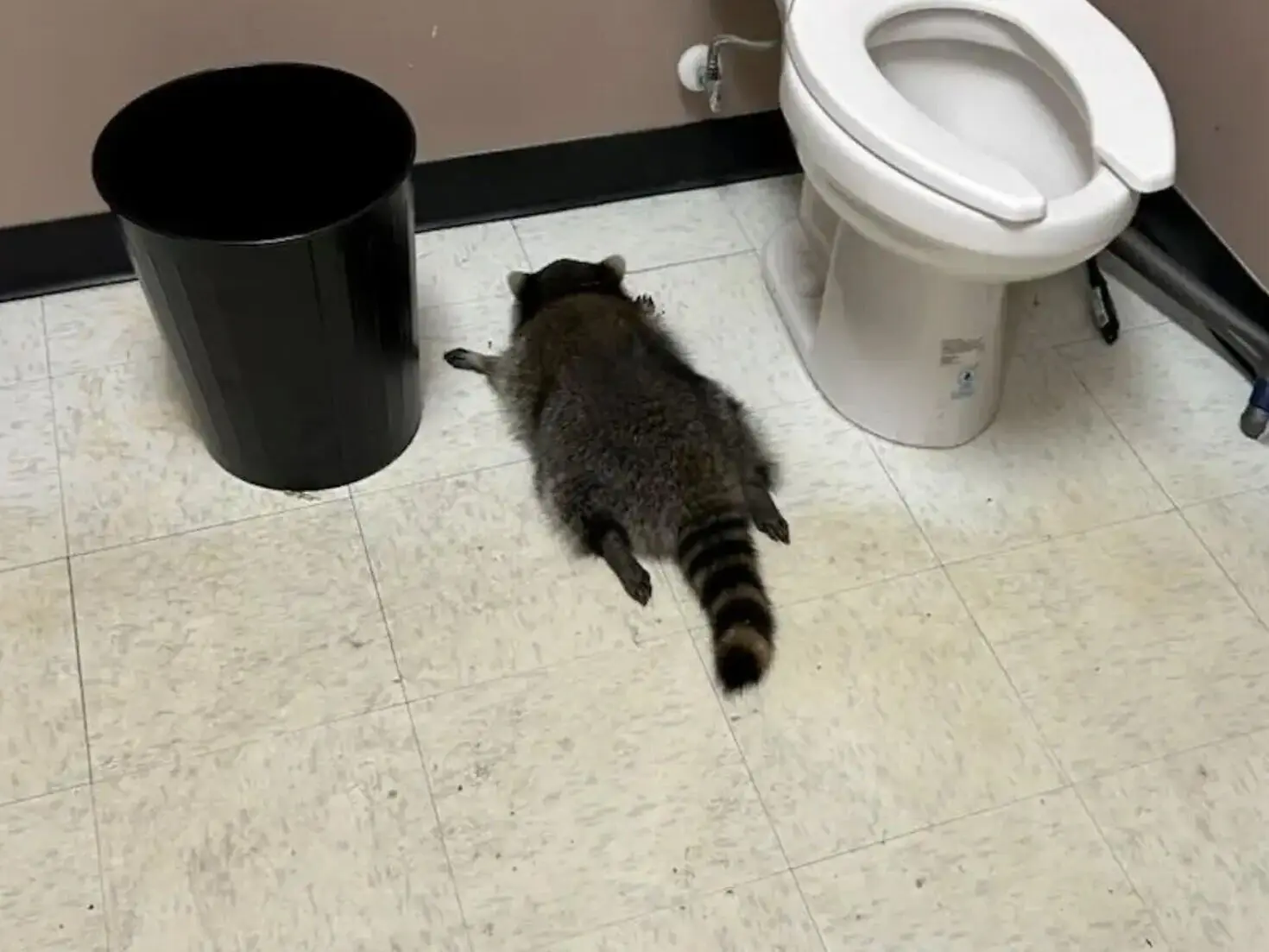
Recently, a shocking event unfolded in a suburban neighborhood as a raccoon was found displaying erratic behavior, raising concerns and curiosity among residents. The raccoon appeared to be intoxicated, leading to discussions about wildlife safety and environmental factors influencing animal behavior.
An Unusual Encounter
The incident occurred on a quiet evening when local residents reported seeing a raccoon wobbling and staggering around a backyard. Witnesses noted that the animal was behaving unusually, climbing over fences and seemingly disoriented. After capturing the entire scene on video, residents posted it on social media, where it quickly went viral, eliciting both humor and concern.
Local wildlife experts suggest that the raccoon may have found an open container of alcoholic beverages, which could lead to such behavior. According to animal control officers, incidents of wildlife consuming human food and drinks are not uncommon, particularly in urban areas where animals may scavenge for food.
Community Response and Awareness
This peculiar situation has ignited discussions within the community about the dangers of leaving trash or open containers accessible to wildlife. Many residents were surprised to learn how easily raccoons and other animals can access food sources that lead to dangerous situations. Wildlife rehabilitation groups have since shared information on their platforms about the risks of wildlife interaction with human food and the importance of securing garbage bins.
Conclusion
The drunk raccoon story serves as a reminder of the fine line between urban life and wildlife. While this instance brought laughter and amusement, it also highlights the critical need for responsible waste management to protect both animals and community members. Moving forward, communities must navigate the coexistence with wildlife wisely, ensuring safety for both humans and animals. Experts warn that incidents like these might increase in frequency if local regulations regarding waste disposal and animal interactions are not reinforced. Encouraging responsible behavior can help prevent wildlife from developing risky habits and ensure a safer environment for all.