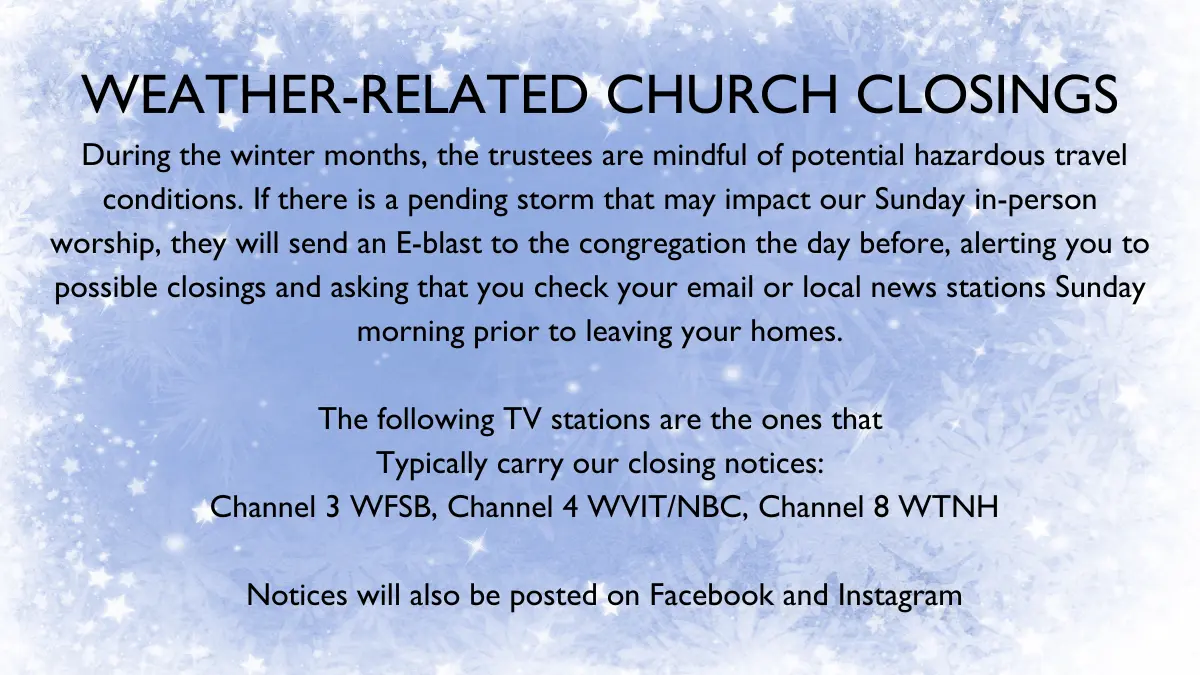
The Importance of Church Closings
In recent years, church closings have become an increasingly notable phenomenon across the United States. These closures impact not only the congregations and their members, but also the broader communities that rely on these institutions for support, fellowship, and various social services…
Current Trends in Church Closings
According to recent studies conducted by the Pew Research Center, approximately 30% of American churches have experienced significant declines in attendance since the beginning of the COVID-19 pandemic. Many have attributed these losses to a number of factors, including shifting societal norms, the increasing popularity of virtual worship services, and demographic changes in communities…
Reasons Behind the Closures
Financial strains are also a significant reason for the closings. Many churches operate on tight budgets, and with dwindling memberships, many can no longer afford operational costs. Additionally, the rise of online worship has allowed members to attend services from home, leading to fewer in-person attendances…
Community Impact of Church Closures
The ramifications of church closings extend beyond the congregation. Many churches provide vital services to their neighborhoods, including food banks, shelter, and counseling. The closure of these institutions may lead to increased social isolation for some community members, as well as reduced access to these essential services…
Conclusion and Future Outlook
As the trend of church closings continues, it is important for communities to come together to support alternative faith-based initiatives that meet the needs of local members. Experts suggest that reimagining how churches engage with their communities may offer a path forward. With adaptive approaches, congregations might sustain their missions while fostering a sense of belonging and community support in a rapidly changing world…