Introduction
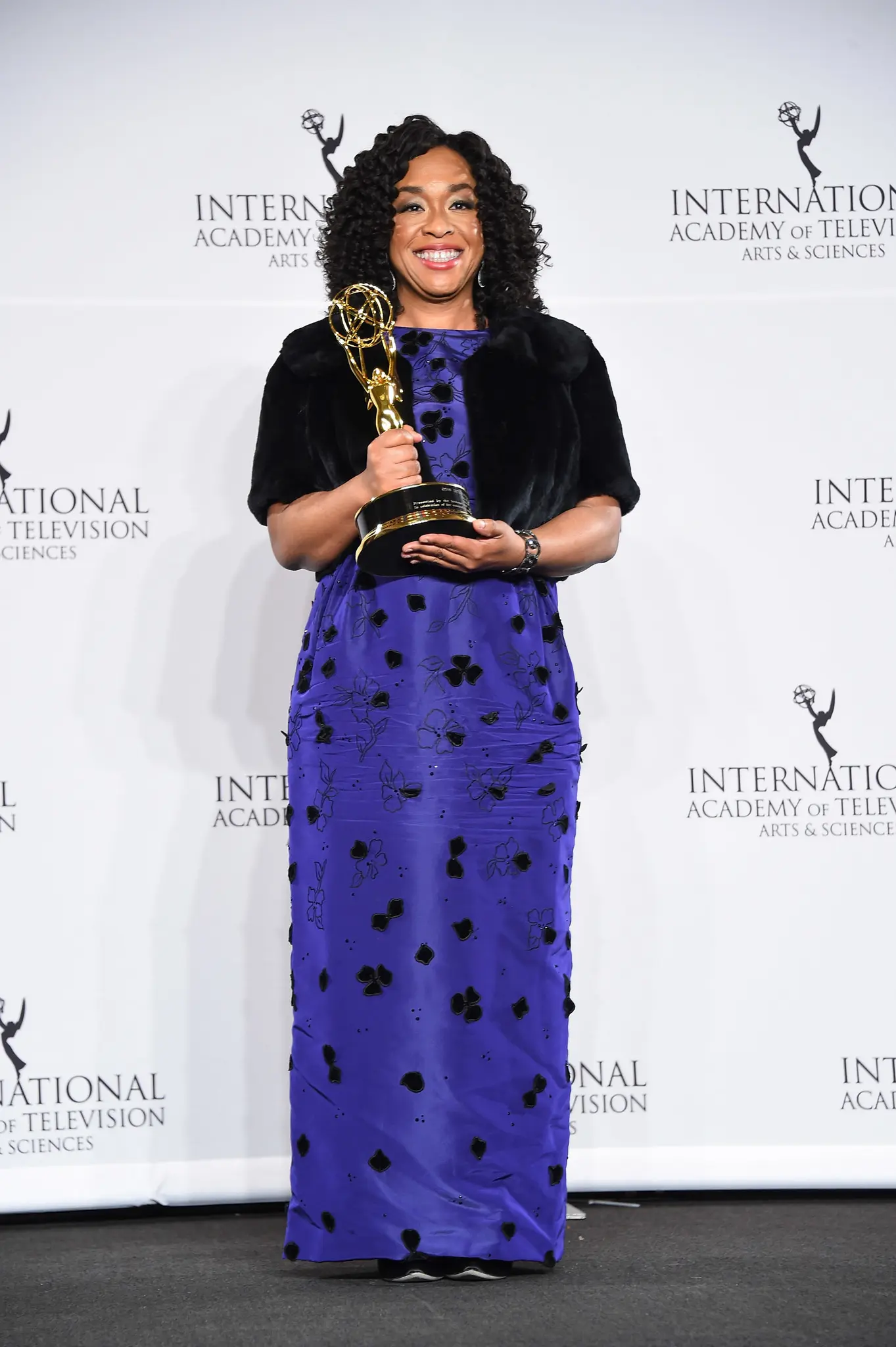
Shonda Rhimes is a pivotal figure in television history, renowned for her innovative storytelling and powerful female characters. As a writer and producer, she has reshaped the landscape of prime-time television, bringing diverse voices and narratives to the forefront. Her shows, including ‘Grey’s Anatomy’, ‘Scandal’, and ‘How to Get Away with Murder’, have not only captivated audiences but also opened discussions around gender, race, and identity. In light of her recent projects and ongoing influence, examining Rhimes’ work is crucial for understanding contemporary television and its evolution.
Major Achievements
Rhimes’ career took off with the premiere of ‘Grey’s Anatomy’ in 2005, which quickly became one of ABC’s most-watched shows. The series is celebrated for its complex characters and ethical dilemmas, reflecting real-world issues in a hospital setting. Following this, ‘Scandal’ (2012) introduced Olivia Pope, a character who became emblematic of competence and power for women of color on screen. Rhimes’ ability to create compelling narratives around strong, multifaceted female leads has garnered her numerous accolades, including the prestigious Golden Globe and Emmy nominations.
Recent Developments
In 2018, Rhimes signed a major deal with Netflix, estimated to be around $300 million, marking a significant move away from traditional broadcast networks. This agreement has allowed her to explore new storytelling formats and reach wider audiences globally. Recent shows like ‘Bridgerton’, based on Julia Quinn’s novels, have enjoyed immense popularity, demonstrating Rhimes’ knack for blending romance with social commentary. The series, which premiered in December 2020, broke Netflix records and showcased the potential of diverse casting in period pieces.
Impact on the Industry
Rhimes’ influence extends beyond her own productions. She has actively championed diversity both in front of and behind the camera, advocating for greater representation in the entertainment industry. Her role as CEO of Shondaland has encouraged countless aspiring writers and directors from underrepresented backgrounds. As the landscape of television continues to change, Rhimes’ commitment to complex storytelling and representation remains vital.
Conclusion
Shonda Rhimes has undeniably left an indelible mark on the realm of television, driving conversations about race, gender, and complex narratives. As her work continues to evolve, with new projects on the horizon, her influence will likely grow, shaping the future of storytelling in meaningful ways. For audiences and creators alike, Rhimes is not just a name but a symbol of creativity, resilience, and the ongoing push for inclusivity in media.