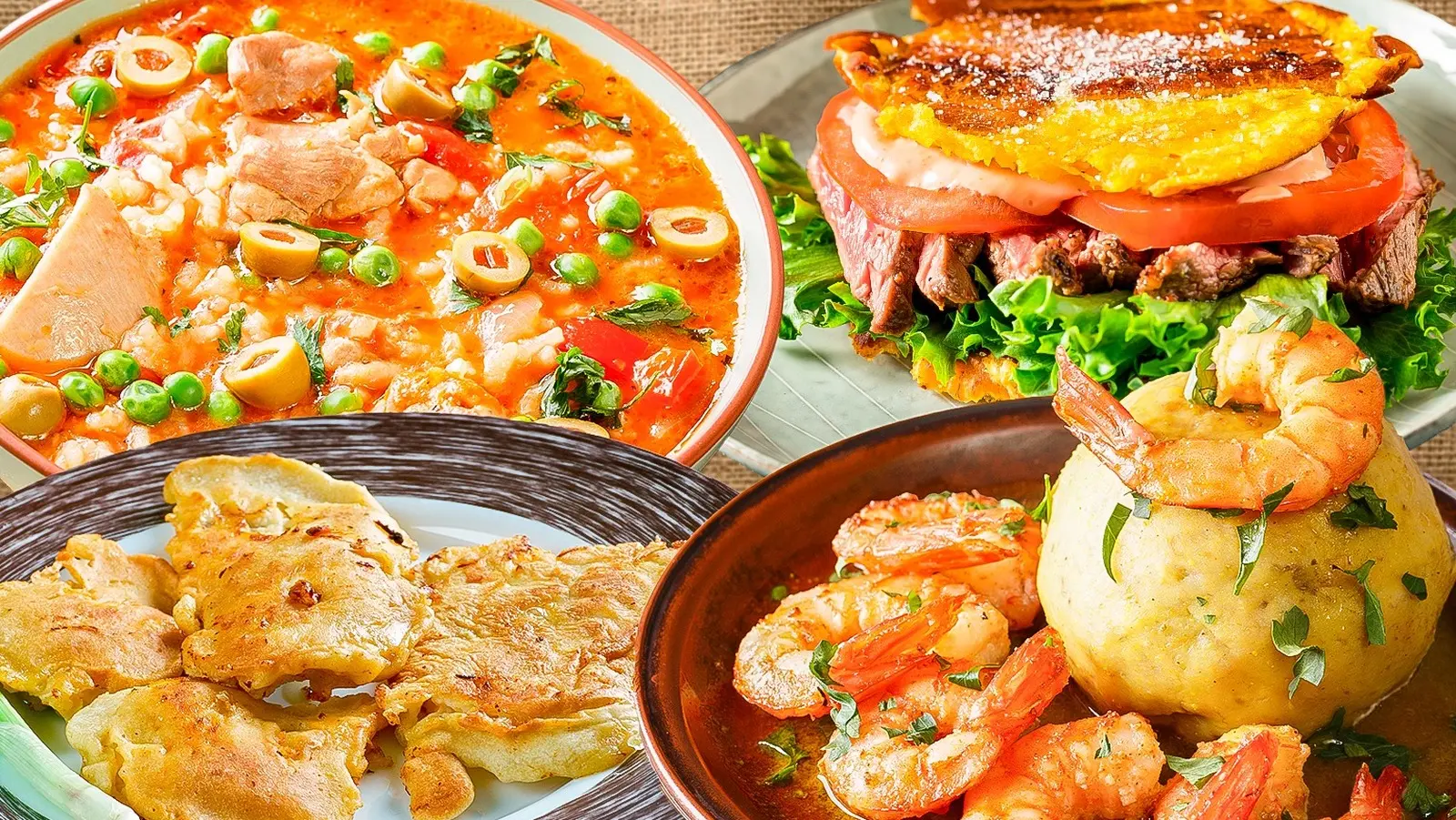
Introduction to Mash
Mash is an essential component in various culinary traditions around the world. This technique not only enhances flavors but also plays a crucial role in the production of many comfort foods and beverages. From mashed potatoes to whiskey production, the process of mashing transforms raw ingredients into delectable dishes. Understanding the importance of mash can enlighten food lovers and culinary enthusiasts alike about its relevance in the kitchen.
Historical Context of Mash
The practice of mashing dates back centuries and has its origins in agriculture. Traditionally, it involves breaking down food items into a soft, pulpy mass, which can then be used in different ways. In Europe, mashed potatoes became popular in the 18th century, particularly in France and the British Isles, where they were celebrated for their creamy texture and versatility. Similarly, mashing grains is a critical step in brewing and distilling processes, especially in crafting beer and whiskey.
Modern Uses of Mash
Today, mash is still an integral part of many culinary practices. In home kitchens and restaurants, mashed potatoes remain a beloved side dish, often enhanced with butter, cream, or garlic. In recent culinary trends, chefs have experimented with a variety of ingredients, substituting traditional potatoes with cauliflower, peas, or carrots, making it easier for those with dietary restrictions to enjoy a classic favorite.
In the beverage industry, mashing is a key step in brewing. During the mashing process, enzymes break down the starches in grains into sugars, which are vital for fermentation. This process is what results in the creation of various types of beer and spirits, each possessing unique flavor profiles.
Future of Mash in Culinary Arts
As food trends continue to evolve, the art of mash is likely to see innovative adaptations. With an increasing focus on health and wellness, new techniques and ingredient substitutions will emerge, allowing for greater creativity and healthier options. The popularity of plant-based diets may also lead to new ways of incorporating mashing into everyday eating, such as using alternative ingredients that align with a sustainable culinary approach.
Conclusion
The significance of mash in culinary traditions cannot be overstated. From its historical roots to its modern-day applications, mash continues to play a vital role in food culture across the globe. As we look ahead, the combination of tradition and innovation within the art of mash will undoubtedly yield exciting developments in both home cooking and professional kitchens.