Introduction: The Importance of Nuclear Treaties
Nuclear treaties play a crucial role in maintaining international peace and security. They aim to prevent the proliferation of nuclear weapons and promote disarmament, shaping the geopolitical landscape in critical ways. With recent tensions between Russia and the West, particularly in the wake of the Ukraine conflict, understanding Russia’s approach to nuclear treaties is more important than ever.
Recent Developments in Nuclear Treaties
In October 2023, Russia announced its decision to suspend its participation in the New START treaty, the last remaining nuclear arms control agreement between Russia and the United States. This treaty, which was signed in 2010 and extended in 2021, imposes limits on the number of strategic nuclear warheads and delivery systems. The suspension came as Russia accused the U.S. of undermining strategic stability through military support of Ukraine.
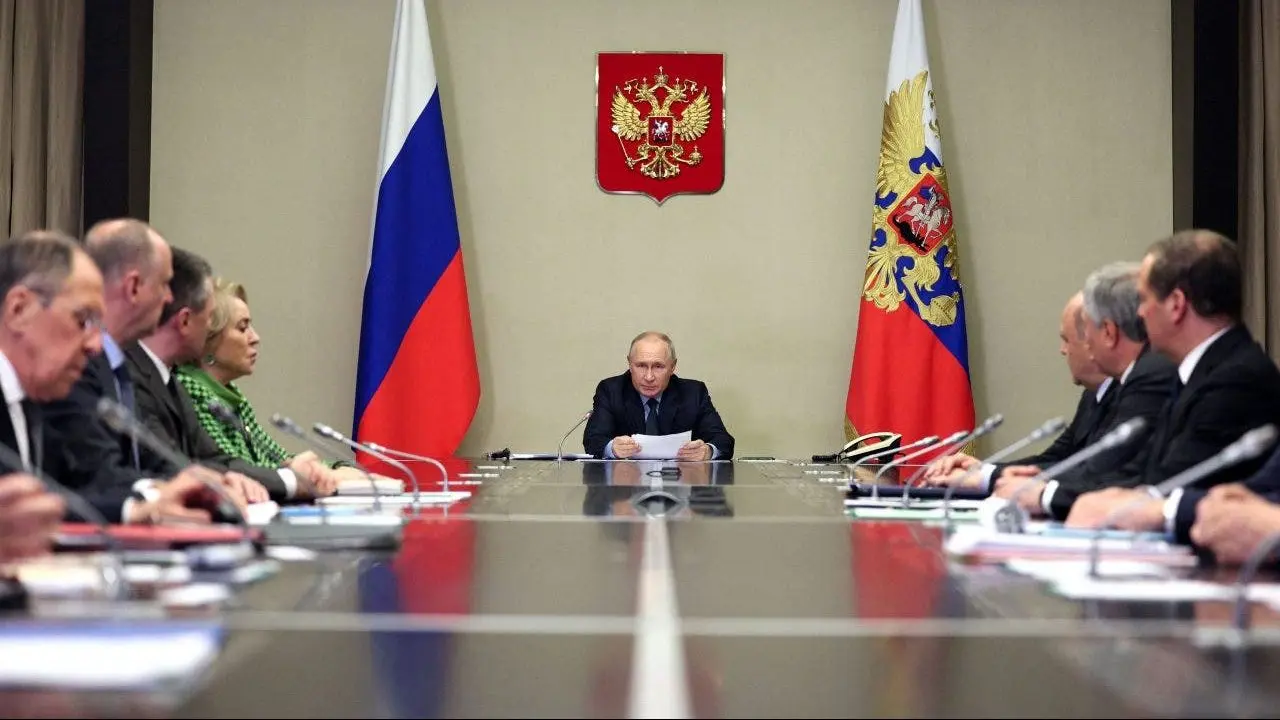
Russian officials, including President Vladimir Putin, have emphasized that the West’s actions and the ongoing conflict in Ukraine have jeopardized their national security. The Russian government has argued that adhering to the treaty in the current climate would put them at a strategic disadvantage.
Impact on Global Security
The suspension of the New START treaty heightens fears of a renewed arms race and increases global nuclear tensions. Analysts warn that without the framework of this treaty to foster communication and reduce misunderstandings, there could be a higher risk of miscalculations leading to catastrophic consequences.
Additionally, the Russian government has indicated plans to modernize its nuclear arsenal, which they claim is essential for national defense. The implications of these developments are significant, not only for U.S.-Russia relations but for global stability as well.
Conclusion: The Future of Nuclear Treaties
The future of nuclear treaties involving Russia remains uncertain. As the geopolitical landscape evolves, it is vital for diplomatic efforts to resume in order to safeguard against nuclear proliferation and to work towards disarmament. Countries across the globe must come together to address these issues, fostering dialogue and cooperation to enhance security for all nations.
In conclusion, the current state of nuclear treaties in Russia reflects a critical juncture in international relations, one that demands close attention and proactive measures from the global community to ensure peace and stability in an increasingly volatile world.