Introduction
In 2019, former President Donald Trump’s proposal to purchase Greenland captured headlines and stirred debates, highlighting the intricate relationship between international diplomacy and territorial ambitions. The significance of this proposal extends beyond mere geography; it encompasses strategic military, economic, and ecological concerns that affect both the U.S. and global politics.
The Proposal and Its Reaction
The idea to acquire Greenland was initially introduced by President Trump during a visit to Denmark. Despite Denmark’s firm rejection, calling the idea ‘absurd,’ Trump’s interest reignited discussions about the geopolitical importance of the Arctic region. Greenland, an autonomous territory of Denmark, is rich in natural resources and is strategically located between North America and Europe, presenting potential opportunities for military bases and resource extraction.
The proposal drew mixed reactions from various stakeholders. Supporters voiced that such a move could bolster U.S. influence in the Arctic, especially amidst increasing competition with China and Russia, both of whom are expanding their presence in the region. Critics, however, viewed this as a display of imperialism, questioning the rationale behind purchasing land occupied by a sovereign nation.
Geopolitical Implications
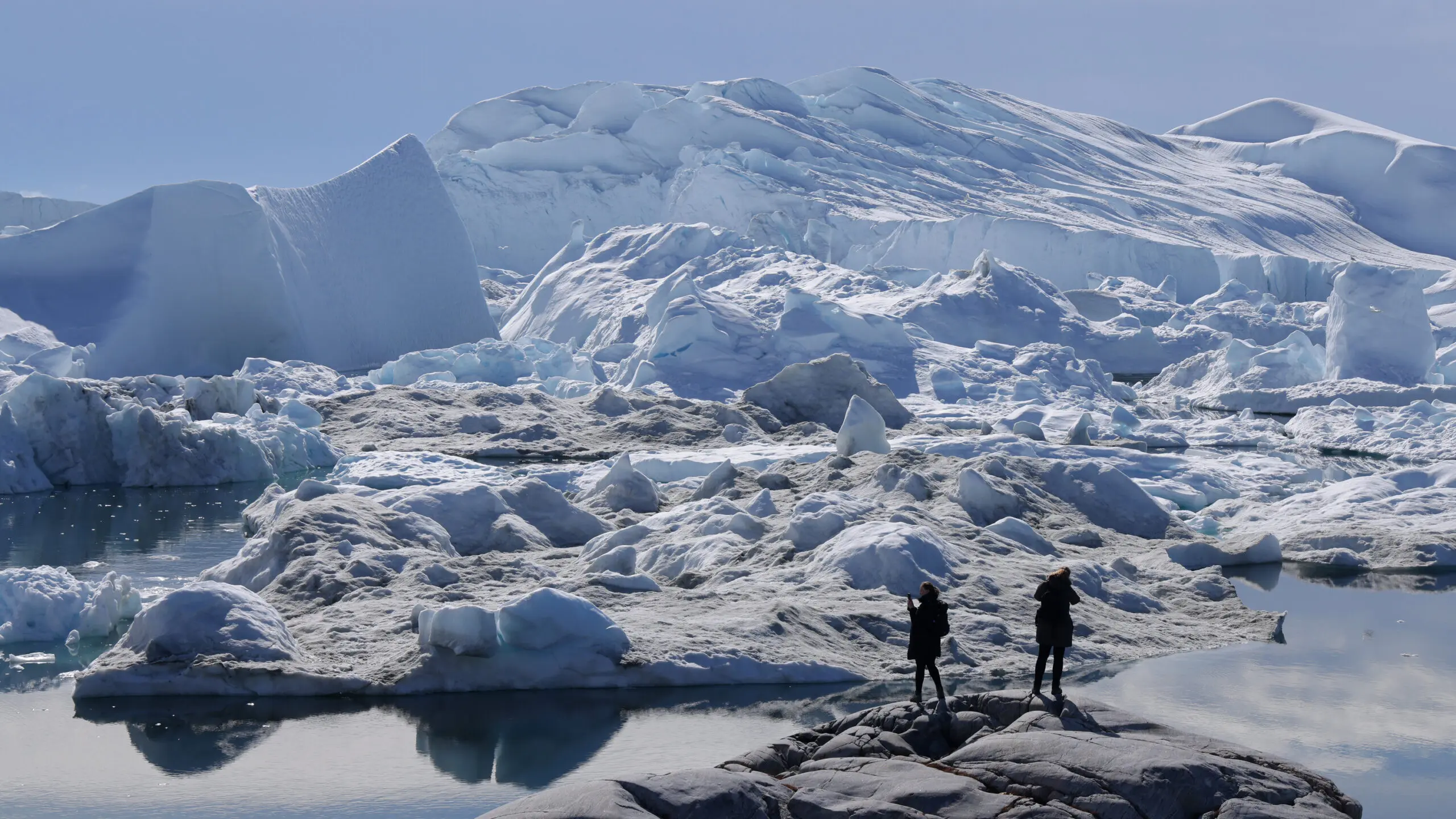
Since Trump’s announcement, the geopolitical landscape of the Arctic has continued to evolve. Climate change has accelerated access to previously unreachable areas, revealing vast reserves of oil and minerals. The melting icecaps have prompted global powers to rethink their strategies, as countries race to establish their claims and enhance their military capabilities. Trump’s interest in Greenland is thus situated within a broader context of territorial disputes and resource competition.
Denmark’s response was clear in asserting its commitment to safeguarding Greenland’s autonomy and rights. This highlights the delicate balance between international interests and the self-determination of local populations. The indigenous Greenlanders have continuously expressed a desire to control their resources and govern their land, a sentiment that cannot be overlooked in discussions about foreign interests.
Conclusion
The legacy of Trump’s Greenland proposal remains a significant chapter in contemporary international relations. It underscores the complexities surrounding territorial claims, national interests, and the pressing realities of climate change. As nations vie for influence and resources in the Arctic, understanding the nuances of such proposals becomes increasingly crucial. The dialogue surrounding Greenland will likely continue to resonate in future diplomatic discussions as the world navigates the challenges posed by an evolving climate and shifting geopolitical alliances.