Introduction
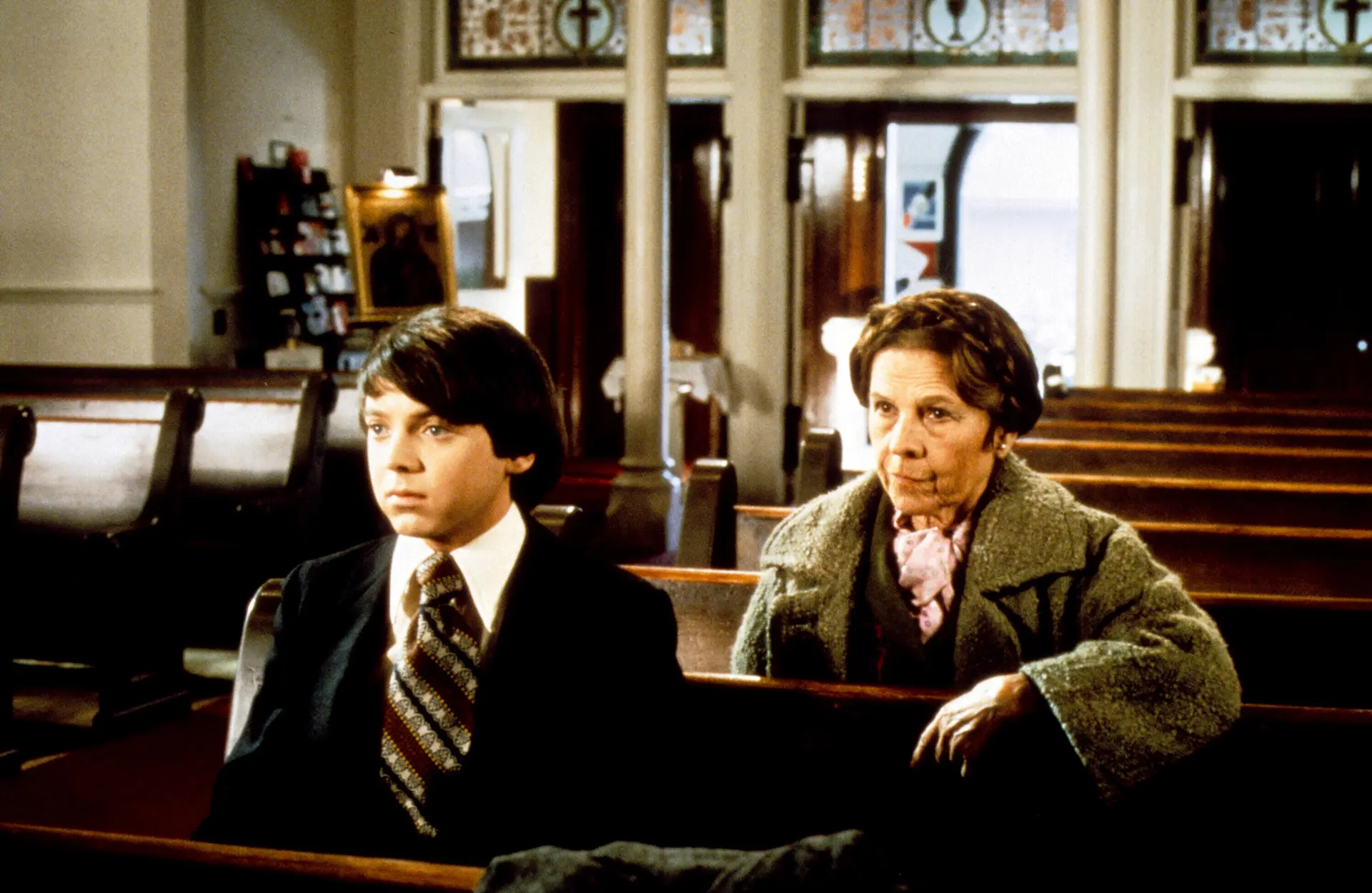
“Harold and Maude,” directed by Hal Ashby and released in 1971, remains a beloved cult classic that has captivated audiences for decades.
The film is not just a story about an unlikely romance between a young man named Harold and a vivacious elderly woman named Maude; it explores profound themes of life, death, and what it means to truly live. Its relevance extends beyond its era, resonating with new generations as conversations about mental health, individuality, and the societal pressures of conformity gain traction.
Plot Overview and Themes
The narrative follows Harold, a wealthy young man obsessed with death, who fakes suicides to get attention and navigates a world filled with shallow relationships. His life takes a poignant turn when he meets Maude, an eccentric 79-year-old woman who teaches him to embrace life.
The juxtaposition of Harold’s morbid outlook and Maude’s zest for life helps illuminate important social critiques, particularly regarding how society views aging, mental health, and the value of living authentically. Themes of rebellion against societal norms, the quest for identity, and the appreciation of the moment are at the forefront of this cult classic.
Cultural Impact and Legacy
Upon its release, “Harold and Maude” received mixed reviews but gradually garnered a passionate following. Its unique narrative and a soulful soundtrack by Cat Stevens contributed to its charm. The film later earned a cult status through screenings and discussions, especially among youth fascinated by its daring themes.
Today, it is often celebrated in film studies for its progressive portrayal of love that transcends age and defies conventional norms. The relationship between Harold and Maude exemplifies a rejection of societal expectations and an embrace of authenticity, encouraging viewers to reflect on their own lives.
Conclusion
As conversations about mental health, love, and the meaning of life become increasingly important, “Harold and Maude” serves as a timely reminder to challenge societal norms and embrace individuality. Its lessons about the beauty of life and the inevitability of death continue to resonate, making it a film that is as relevant today as it was at its premiere.
Furthermore, the film’s enduring legacy is fortified by ongoing discussions around its themes, ensuring that “Harold and Maude” will remain a pivotal reference point in the exploration of human connection. In a rapidly changing world, the film’s message to live fully and authentically is one that never goes out of style.