Introduction
He-Man, the beloved character from the 1980s animated television series, has solidified his place in pop culture history. Created by Mattel, He-Man is not only known for his muscular physique and catchphrase, “By the Power of Grayskull!” but also for representing themes of heroism, friendship, and the battle between good and evil. As the entertainment landscape evolves, the significance of He-Man remains relevant, making him a symbol of nostalgia and inspiration for new generations.
Revisiting a Classic
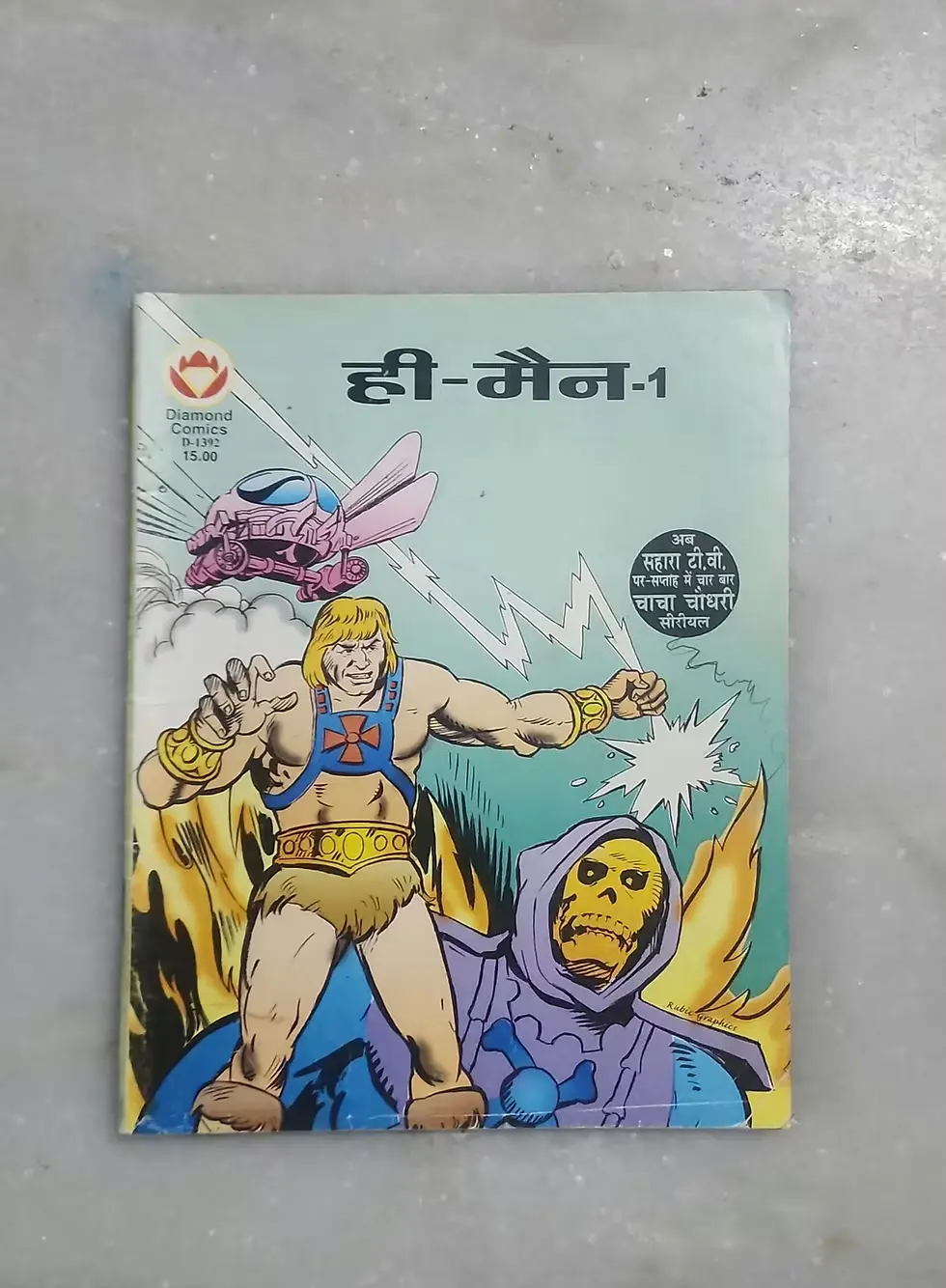
The original animated series, “He-Man and the Masters of the Universe,” premiered in 1983 and quickly became a television staple for children. Along with the animated series, the accompanying toy line skyrocketed to fame, amassing millions in sales and becoming a key player in the action figure market. The franchise expanded over the years with various spin-offs, comic books, and even a live-action movie, highlighting He-Man’s versatility and lasting appeal.
In recent years, both fans and new audiences have witnessed a revival of this iconic character. In 2021, Netflix released “Masters of the Universe: Revelation,” a series that continues the story of He-Man and the world of Eternia. This series has introduced He-Man to a whole new audience while appeasing long-time fans with its nostalgic elements and mature themes. The show’s success demonstrates that He-Man’s appeal transcends age and time, cementing his legacy as a timeless hero.
Cultural Significance and Modern Interpretations
He-Man has evolved beyond simply being a children’s character; he embodies resilience, determination, and courage. Today, He-Man is not only celebrated in shows and films but has also become an emblem for various discussions about masculinity and heroism. With shifting perspectives, modern adaptations of He-Man challenge traditional norms and have introduced diverse representations within its storytelling.
Additionally, He-Man’s influence can be seen across various forms of media, including video games, comic books, and merchandise. His character has remained relevant in discussions about nostalgia, showing that childhood favorites can shape our views and experiences well into adulthood. Collectors and enthusiasts continue to gather at conventions, celebrating the franchise that shaped their childhoods.
Conclusion
As He-Man continues to capture hearts and inspire creativity, he serves as a reminder of the importance of storytelling and the connection we have to our favorite characters. The franchise is witnessing a renaissance, confirming that He-Man is more than just a figure in a toy line or a TV show—he is a cultural icon that will endure for generations to come. Whether through new adaptations or nostalgic merchandise, the legacy of He-Man will likely remain strong, creating pathways for discussions about heroism, legacy, and the heroes we aspire to be.