Introduction
The phenomenon of trees exploding from cold, also known as frost-induced tree failure, has recently become a topic of significant concern among environmentalists and gardeners alike. As extreme weather patterns continue to destabilize local ecosystems, the repercussions of such events can have far-reaching effects on forest health, biodiversity, and climate resilience. Understanding this issue is increasingly vital as we face shifting weather trends fueled by climate change.
What Causes Trees to Explode from Cold?
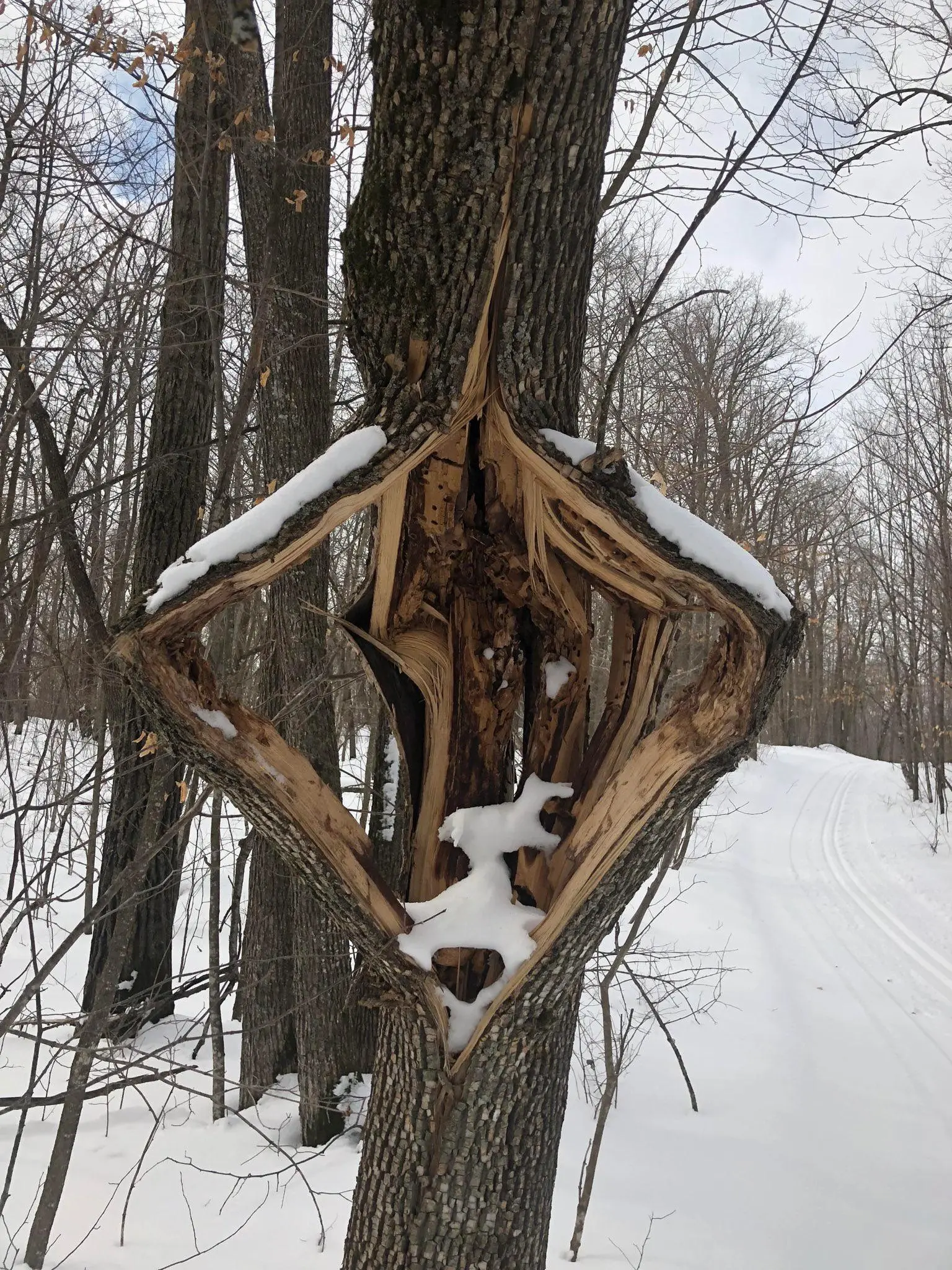
When temperatures plummet dramatically, the water inside a tree’s cells can freeze rapidly. This sudden drop can create internal pressure, leading to cell rupture. In some cases, this stress causes the bark to split and, in extreme scenarios, may cause sections of the tree to literally explode. Reports from various forestry experts and wildlife organizations indicate that this phenomenon is becoming more prevalent as winters grow harsher and more unpredictable.
Recent Incidents
In several regions across the United States, particularly in the Northeast, there have been documented cases of trees bursting under the strain of cold weather. In early 2023, after a sustained cold snap in New York, local park rangers reported dozens of trees that suffered from this condition. They observed not only physical damage but also an increase in the mortality rate of previously healthy trees. Arborists noted that species such as birch and maple seemed particularly vulnerable, highlighting how variations in tree resilience play a crucial role.
The Broader Implications
The implications of trees exploding from cold go beyond immediate aesthetics or local landscapes. Trees provide numerous ecological services, from oxygen production to habitat creation for wildlife. The loss of trees from such explosive incidents can lead to habitat fragmentation, reduced biodiversity, and even increased carbon emissions due to less carbon uptake. Furthermore, damaged trees may become more susceptible to pests and diseases, compounding the issue.
Conclusion
As climactic shifts bring increasingly unpredictable cold spells, understanding the mechanisms and consequences of trees exploding from cold is paramount. Forest management practices may need to adapt to account for these changes, promoting species diversity and resilience to ensure that forest ecosystems can withstand such extremes. Awareness and education regarding tree care in ever-changing climates are essential for communities to protect their natural resources and maintain healthy environments.