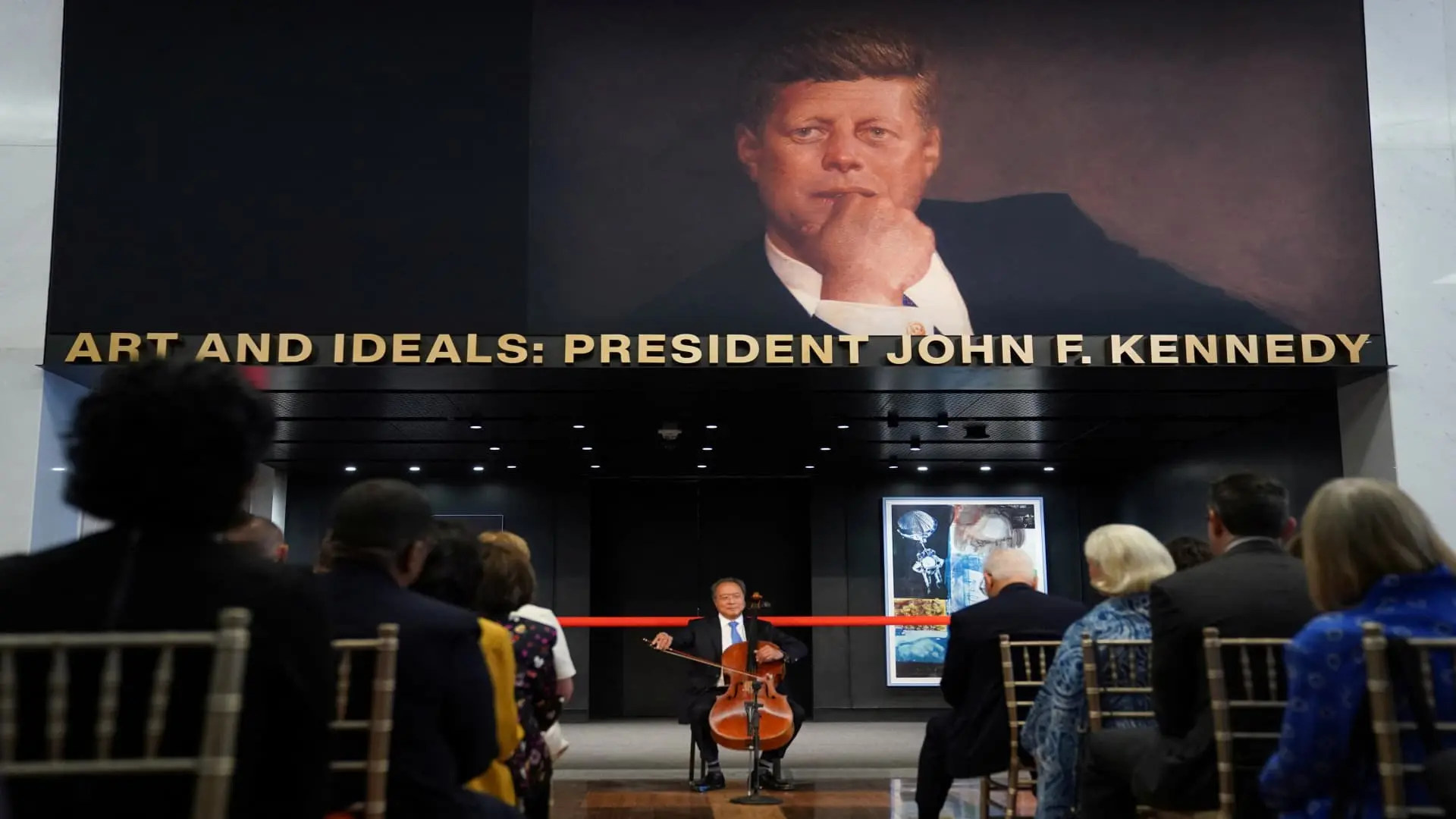
Introduction
John F. Kennedy, the 35th President of the United States, has left an indelible mark on American history. His presidency, though tragically cut short, remains significant due to its profound impact on civil rights, foreign policy, and the space race. As the nation reflects on his legacy in the wake of recent commemorative events, it’s vital to consider Kennedy’s contributions and the lessons still resonating today.
The Early Years and Presidential Election
Born on May 29, 1917, in Brookline, Massachusetts, Kennedy came from a prominent political family. His entry into politics began after serving in the Navy during World War II. After earning a seat in the U.S. House of Representatives and subsequently in the Senate, Kennedy emerged as a strong candidate for the presidency. In 1960, he won a closely contested election against Richard Nixon, becoming the youngest elected president in U.S. history at the age of 43.
Key Issues and Achievements
During his presidency from 1961 until his assassination in 1963, Kennedy faced numerous domestic and international challenges. One of his foremost priorities was civil rights. In June 1963, he delivered a groundbreaking speech advocating for civil rights legislation, stating, “The injustices that we face are not just a black and white issue, but an American issue.” His stance helped to lay the groundwork for the Civil Rights Act of 1964, which would be enacted posthumously.
Furthermore, Kennedy’s foreign policy was marked by significant events, including the Cuban Missile Crisis in 1962. His ability to navigate the tense standoff with the Soviet Union is often cited as a pivotal moment in avoiding nuclear conflict. Additionally, his vision for the future included the ambitious goal of landing a man on the moon, setting the stage for the Apollo program and the eventual moon landing in 1969.
Assassination and Enduring Impact
On November 22, 1963, Kennedy was assassinated in Dallas, Texas, a shocking event that sent ripples through the nation and the world. His death not only ended a promising presidency but also spawned numerous conspiracy theories and historical inquiries that continue to this day. In the aftermath of his death, numerous tributes and memorials have been established, celebrating his contributions and particularly resonating with younger generations who seek to understand and learn from his ideals.
Conclusion
As we reflect on the legacy of President John F. Kennedy, it becomes clear that his vision for a better America continues to influence contemporary affairs. His dedication to civil rights, advocacy for a strong international presence, and commitment to science and innovation still hold relevance in today’s society. For new generations, Kennedy’s journey remains an inspiration, urging them to advocate for change and engage with the political landscape. As we commemorate his life and achievements, the call for the ideals he championed remains: to ask what we can do for our country and to strive toward a better future for all citizens.