Introduction
Blizzards, characterized by heavy snowfall, strong winds, and low visibility, pose significant challenges to communities across the United States each winter. As climate patterns shift and winter storms grow more intense, understanding the nature of blizzards becomes crucial for public safety and preparedness. The impact of these storms can disrupt daily life, damage infrastructure, and lead to dangerous conditions for residents and travelers alike.
What is a Blizzard?
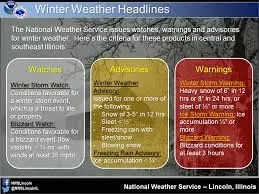
A blizzard is defined by the National Weather Service as a severe snowstorm that lasts for at least three hours, producing sustained winds of 35 miles per hour or greater and visibility of less than a quarter of a mile due to falling or blowing snow. The recent blizzard that hit the Northeast in late December 2023 serves as a stark reminder of the potential dangers these storms can bring.
Recent Blizzard Events
In December 2023, a powerful blizzard swept through several states, particularly impacting areas such as New York, New Jersey, and Pennsylvania. The storm brought about 30 inches of snow in some regions, compounded by winds that reached 50 mph, leading to whiteout conditions. Local authorities declared state emergencies as road closures were necessary to ensure public safety. Thousands of residents were left without power, and significant delays occurred in transportation services.
Community Response and Safety Measures
In response to the blizzard, communities mobilized emergency services to assist those in need. Shelters were opened in many towns, offering warmth and food to individuals and families affected by the storm. Authorities urged residents to stay indoors and to prepare for potential power outages. The Federal Emergency Management Agency (FEMA) also provided resources for recovery efforts, emphasizing the importance of preparedness in the face of severe weather.
Preparing for Future Blizzards
As the climate continues to evolve, officials warn that such blizzards may become more frequent or severe. Preparedness is crucial for mitigating the impacts of future storms. Residents are encouraged to stock up on essential supplies, maintain communication with local weather stations, and have an emergency plan in place. Utilizing technology like weather apps and notifications can help individuals stay informed about imminent storms.
Conclusion
Blizzards present significant dangers to communities, but with proper awareness and response strategies, the impacts can be managed. As we look ahead to the rest of the winter season, staying informed and prepared remains vital for ensuring safety during severe weather events. Community cooperation and proactive measures will play a crucial role in protecting lives and minimizing disruptions should another blizzard strike.