Introduction
Miami International Airport (MIA) stands as a critical node in global air travel, especially for flights to Latin America and the Caribbean. Serving over 45 million passengers annually, the airport is not only a major transportation hub but also an economic driver for the region. Its strategic location and extensive flight network underline its relevance in the context of today’s travel landscape.
Current Developments
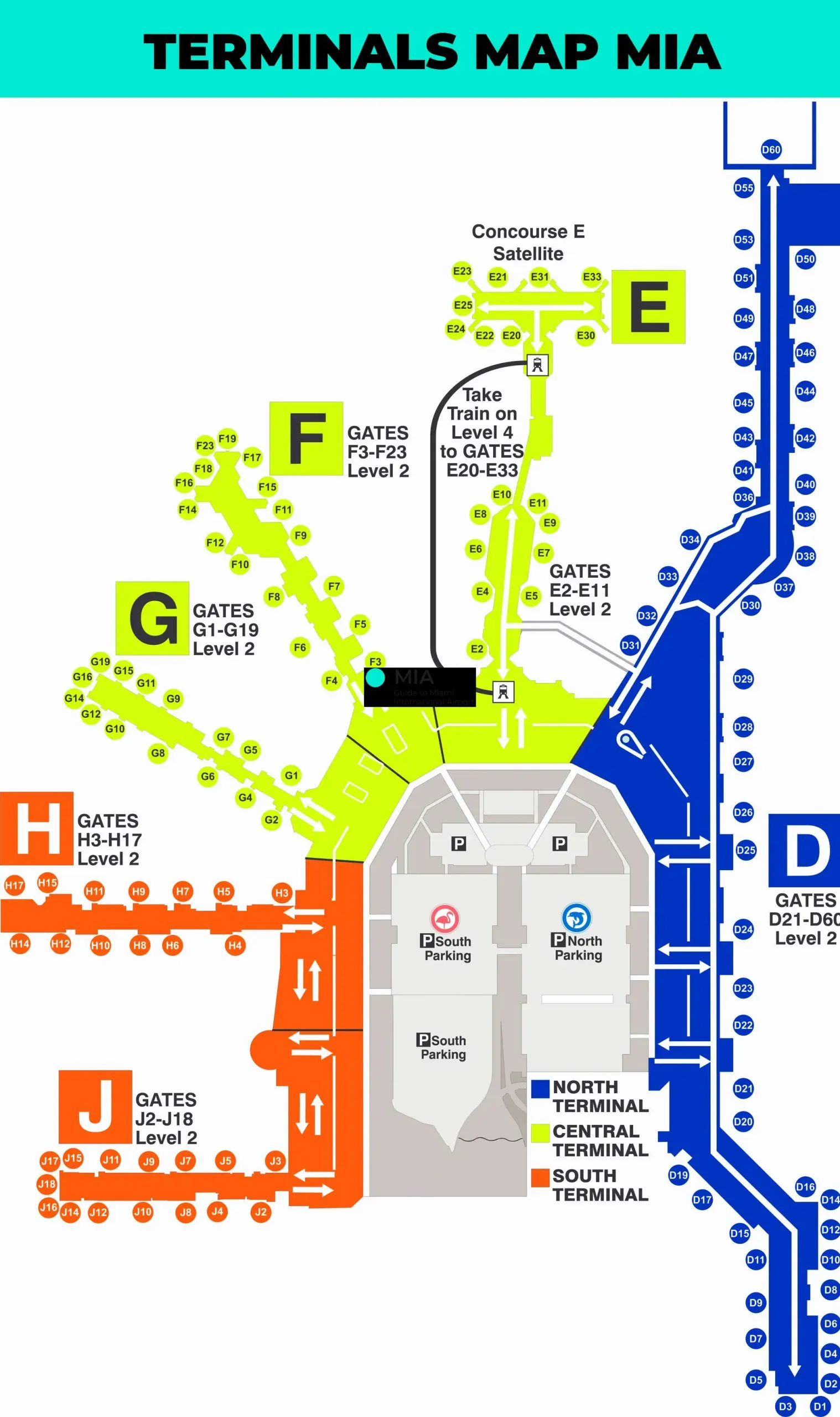
Recent investments have positioned Miami Airport for continued growth and modernization. In 2023, the airport began a $5 billion renovation project aimed at improving passenger experience and expanding capacity. These enhancements will include modernized terminals, more efficient security processes, and upgraded amenities such as dining and shopping options.
One of the standout features of the renovation is the new Central Terminal, which is expected to increase capacity by accommodating an additional 10 million passengers annually once completed. These upgrades are essential as the airport has seen a surge in traffic recovery post-COVID, with international travel increasing significantly.
Flight Connectivity
Miami Airport is renowned for its extensive flight connectivity, offering over 100 domestic and 150 international destinations. Airlines such as American Airlines and Avianca utilize MIA as a significant hub, facilitating connections across North America, South America, Europe, and beyond. Recent reports indicate that in 2023, new routes to various South American cities, including Buenos Aires and Lima, have been introduced to meet rising travel demand.
Community Impact
The airport’s growth has also stimulated local job creation and boosted the economy. As of 2023, MIA supports over 36,000 jobs directly and indirectly, with projections indicating this number could increase with the completion of the ongoing renovation projects. Additionally, the airport’s initiatives in sustainability, including carbon reduction efforts, align with broader global efforts to mitigate environmental impacts.
Conclusion
The future of Miami Airport looks promising, marked by continuous growth and innovation. As it expands, the airport is set to enhance connections and promote economic development in the region. For travelers, this means improved accessibility and amenities, signifying Miami Airport’s lasting impact on both local and global aviation sectors. As we move toward the future, MIA is poised to be a pivotal hub in reshaping the aviation landscape.