Introduction
The concept of the War Machine 2026 is gaining significant traction as countries invest heavily in advanced military technologies. This term encapsulates not only the hardware involved but also the strategies and logistics behind modern warfare. As militaries around the world prepare for potential future conflicts, understanding the evolution and implications of these developments has never been more vital.
Current Developments in Military Technology
As of 2023, nations like the United States, Russia, and China are ramping up their investments in cutting-edge weaponry, robotics, artificial intelligence (AI), and cyber capabilities. Military experts predict that by 2026, unmanned aerial vehicles (UAVs), autonomous ground vehicles, and advanced cyber warfare tactics will be at the forefront of combat operations. For example, the U.S. Department of Defense has been focusing on integrating AI systems to analyze real-time data and improve decision-making processes on the battlefield.
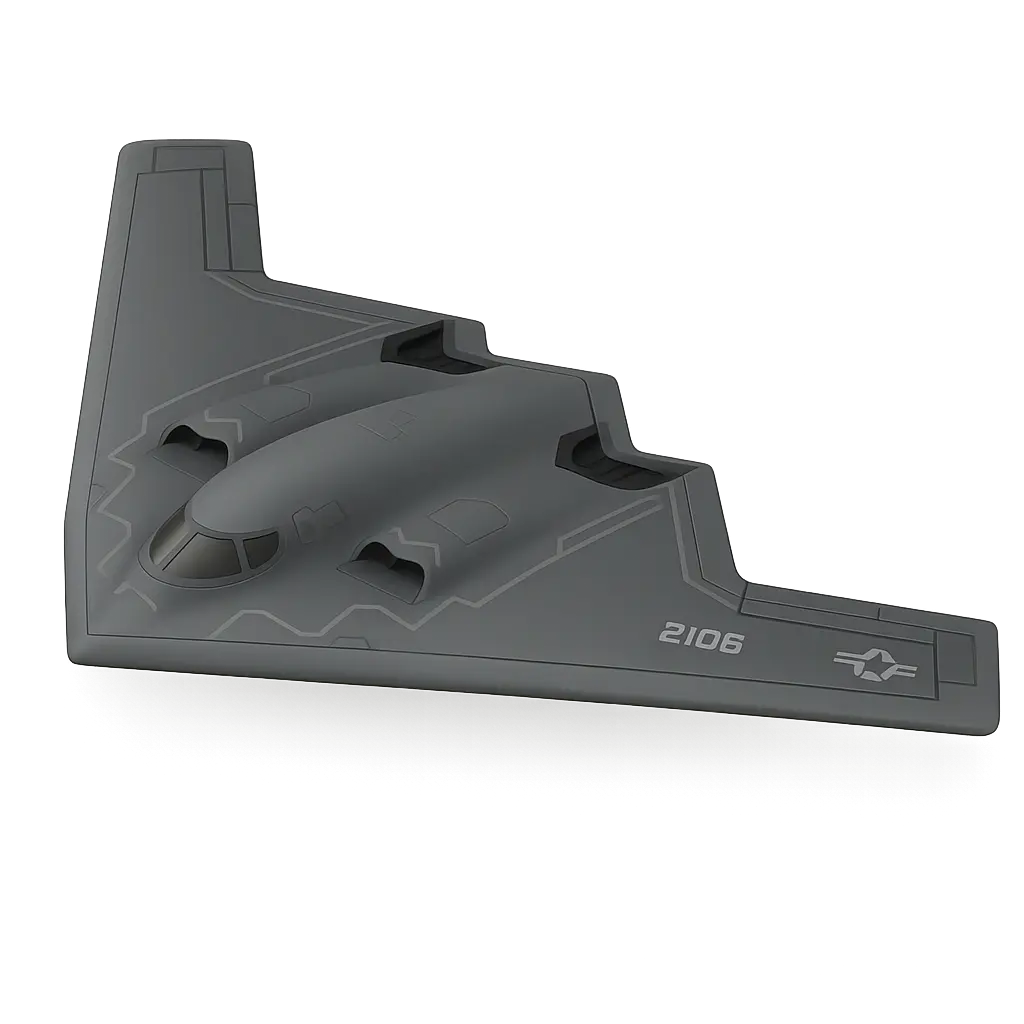
Additionally, next-generation military aircraft, such as the F-35 and advanced drones, are being designed to operate with unparalleled efficiency and reduced vulnerability to enemy defenses. These advancements are a clear representation of a shift towards high-tech warfare, where speed and information dominance will dictate the outcome of conflicts.
Geopolitical Implications
The rise of the War Machine 2026 is not without its geopolitical consequences. Nations are increasingly aware that they must keep pace with technological advancements or risk falling behind. This race for military supremacy is leading to an arms race in various regions, notably in the South China Sea and Eastern Europe.
Furthermore, the integration of AI and automation raises ethical questions surrounding warfare, including the potential for autonomous weapons to make life-and-death decisions without human oversight. Experts warn that if left unchecked, this could lead to unintended escalations and conflicts triggered by machines.
Conclusion
The War Machine 2026 represents a transformative era in military history marked by rapid technological advancement. As nations continue to invest in these technologies, the nature of warfare will evolve in ways we can only begin to imagine. For citizens and policymakers alike, understanding this evolution is crucial, as it will shape the future of international relations and security policies. Keeping an eye on these developments will enable stakeholders to better navigate the complexities of modern warfare and prepare for the unforeseen challenges that may arise.