Introduction to Snow Squalls
As winter descends upon many regions, the phenomenon of snow squalls becomes increasingly relevant to both meteorologists and the public. A snow squall is a brief but intense burst of heavy snowfall, often accompanied by strong winds and reduced visibility. These weather events can develop rapidly and can lead to dangerous travel conditions, making it important for communities and individuals to understand their characteristics and prepare accordingly.
What Causes Snow Squalls?
Snow squalls typically occur when an Arctic air mass overrides a warmer air layer, creating instability and leading to localized snow showers. According to the National Weather Service (NWS), snow squalls can develop quickly and often provide little warning, lasting anywhere from a few minutes to a couple of hours. The most affected areas are usually regions prone to cold fronts, particularly in the northeastern and midwestern United States.
Recent Snow Squall Events
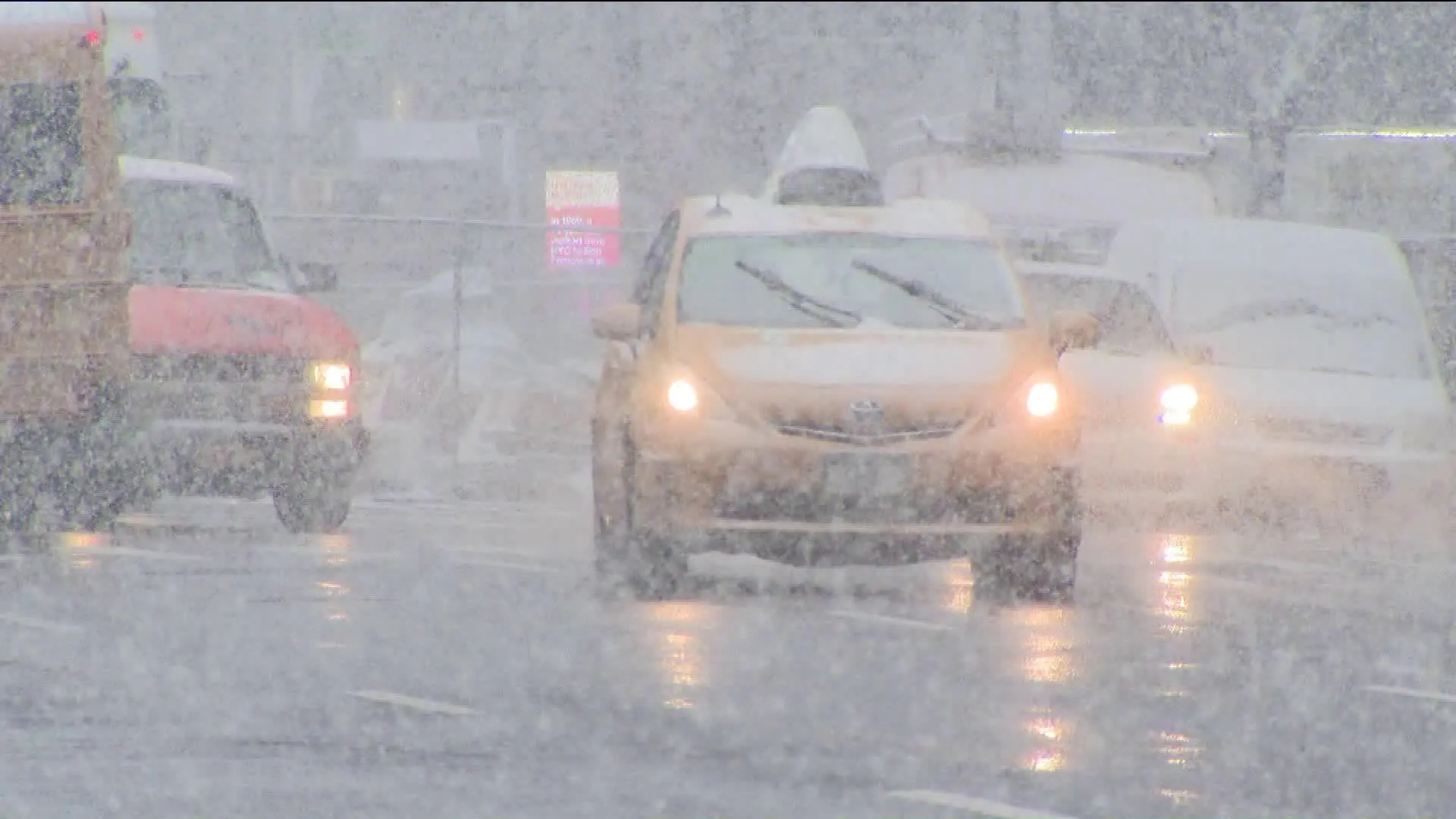
In recent weeks, several regions have experienced significant snow squalls, leading to hazardous conditions. For instance, in early February 2023, a major snow squall hit the Midwest, blanketing roads in a matter of minutes and prompting multiple vehicle accidents. The visibility dropped dramatically, and travel advisories were issued in areas from Illinois to Michigan. Emergency services reported a surge in calls as drivers struggled with the fast-changing weather conditions.
Safety Precautions During Snow Squalls
Given the unpredictable nature of snow squalls, it’s crucial for communities to prepare. The NWS recommends that travelers stay updated on weather alerts and consider delaying travel plans during anticipated squall events. Here are some important safety tips to follow:
- Monitor weather updates regularly, especially during winter months.
- If you must travel, ensure your vehicle is equipped with winter essentials, including blankets and an emergency kit.
- Reduce speed and increase following distance if encountering sudden snowfall.
- Find a safe location to pull over if visibility drops to dangerous levels.
Conclusion
Snow squalls, while brief, can create highly dangerous situations and impact daily life in winter months. Understanding their characteristics, effects, and precautions can help individuals stay safe during these winter weather phenomena. As climate change continues to influence weather patterns, it is expected that the frequency and intensity of such winter storms may increase, making awareness and preparedness more important than ever for communities.