Introduction
Wind energy plays a crucial role in addressing global climate change and achieving sustainable energy goals. China has emerged as a leader in the renewable energy sector, particularly in the development and deployment of wind farms. With the ongoing push towards a carbon-neutral economy, understanding the current landscape of China’s wind energy sector is essential for both national and international stakeholders.
Current State of Wind Farms in China
As of 2023, China is home to the largest installed capacity of wind power in the world, with over 300 gigawatts (GW) of onshore and offshore wind energy capacity combined. In recent years, the Chinese government has committed to significant investments to increase this capacity further, driven by national targets aiming for carbon neutrality by 2060 and peak carbon emissions by 2030. In 2022 alone, approximately 18 GW of new wind power capacity was added, demonstrating the rapid growth of this sector.
Key Developments and Projects
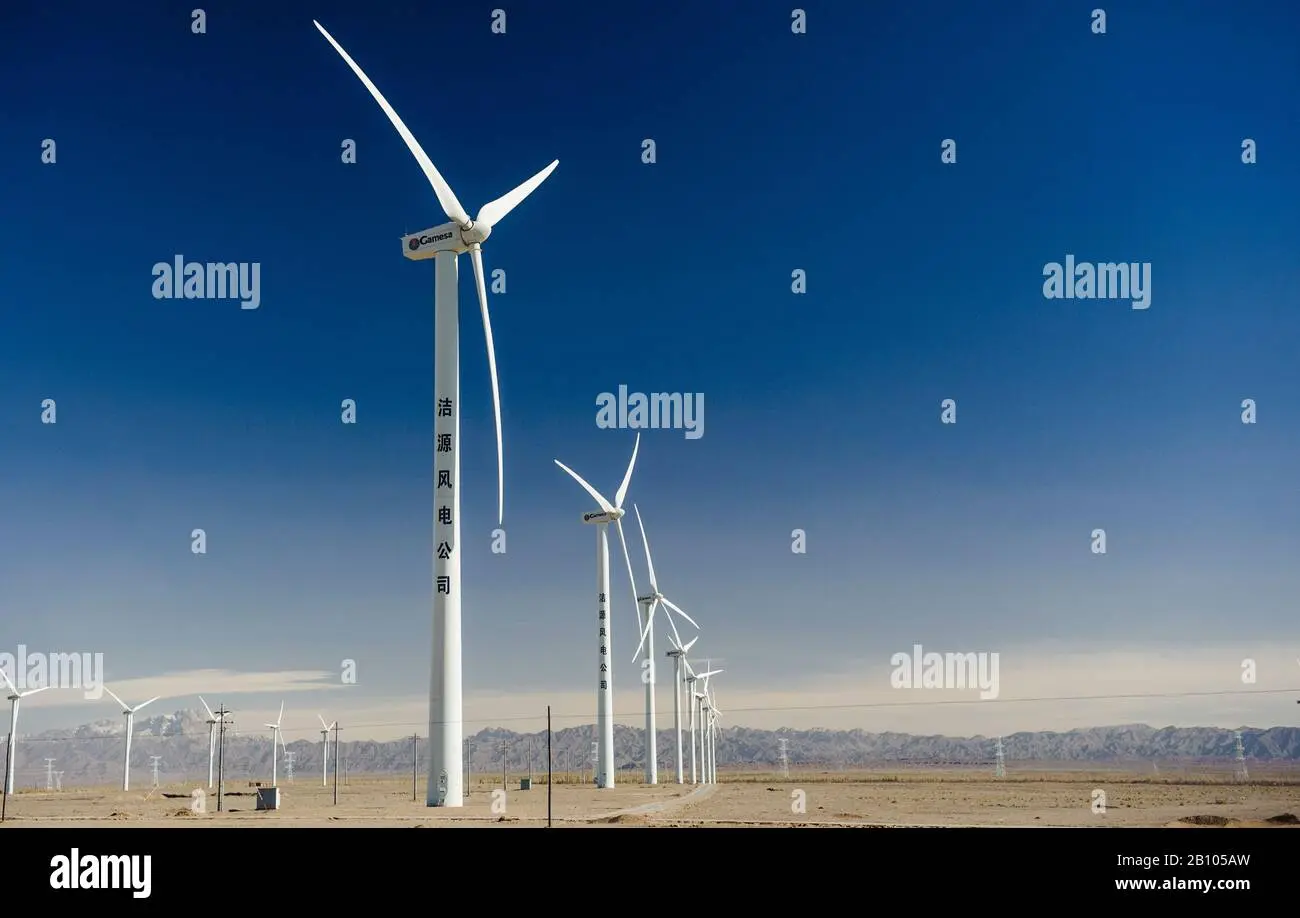
One of the most notable projects is the Gansu Wind Farm, which is designed to generate up to 20 GW of electricity. The project is part of a larger initiative to harness the natural wind resources of the Gobi Desert region. Additionally, China’s offshore wind farms are gaining momentum, with projects like the Jiangsu and Guangdong wind farms leading the charge in tapping into coastal wind resources.
The Chinese government is supporting innovation in wind turbine technology, which has resulted in increased efficiency and cost-effectiveness. Chinese manufacturers are producing larger and more efficient turbines, contributing to a decrease in the levelized cost of energy (LCOE) from wind power, making it more competitive with fossil fuels.
Challenges and Future Outlook
Despite the impressive growth, challenges remain. Grid connectivity issues still hinder the full utilization of wind energy in remote regions where wind farms are often located. Additionally, the need for improved energy storage solutions becomes more pressing as wind energy production is intermittent.
Looking ahead, experts forecast continued expansion of wind capacity in China. The government’s policies are expected to focus on not only increasing installation rates but also improving grid infrastructure to support these renewable energy sources. Initiatives to integrate more storage technologies alongside wind farms will further enhance reliability and efficiency.
Conclusion
China’s commitment to wind power signifies a crucial step towards achieving a sustainable energy future. As the largest player in the global wind energy market, the developments in China’s wind farms will have significant implications for the renewable energy industry worldwide. With ongoing investments and technological advancements, China’s wind energy sector is poised for continued growth, reinforcing the country’s leadership in the transition to clean energy.