Introduction
The International Energy Agency (IEA) has released its latest report on the state of global energy, emphasizing the crucial need for a transition to renewable energy sources. This report is particularly relevant in the context of ongoing climate change initiatives and the urgent need for nations to reduce carbon emissions. With the world still reeling from the impacts of the COVID-19 pandemic, the IEA report serves not only as a guide for policymakers but also as a call to action for industry leaders and consumers alike.
Key Findings and Developments
The IEA’s report highlights several important trends and statistics. As of 2023, global renewable energy capacity has significantly increased, with solar and wind energy leading the charge. In particular, solar power generation capacity grew by over 20% in the past year alone, driven by policy support and technological advancements. Furthermore, the report highlights that for the first time, renewable energy sources accounted for more than 30% of global electricity generation.
However, the transition to renewable energy still faces substantial challenges. The IEA cautions that investment in clean energy technologies must double to meet climate goals set out in international agreements like the Paris Accord. Countries such as the United States and China are making considerable strides, yet others lag behind, primarily due to financial barriers and a reliance on fossil fuels.
Case Studies and Regional Insights
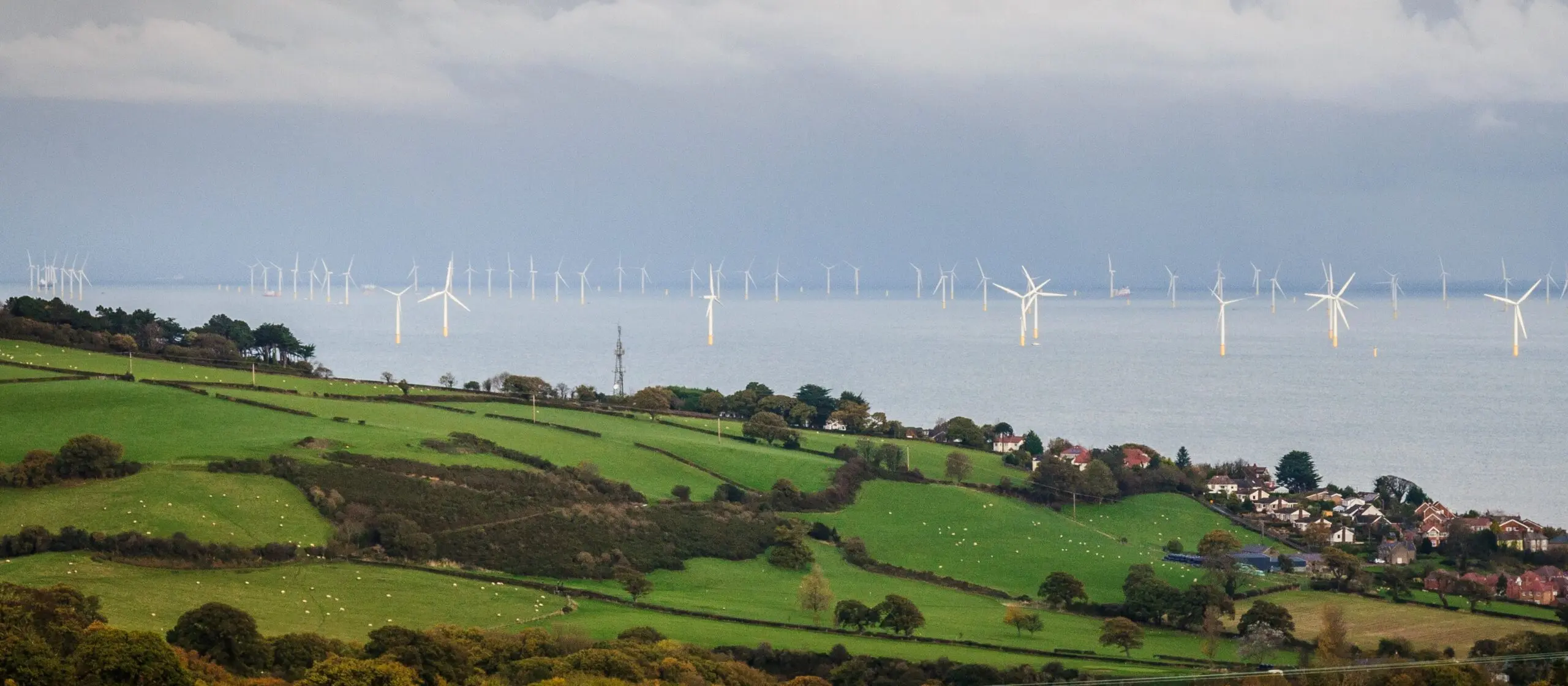
The report included several case studies that showcase successful transitions in various nations. For example, Denmark is highlighted for its robust investment in offshore wind farms, which have dramatically increased its renewable energy share. In contrast, the report discusses the challenges faced by India in reducing dependence on coal, despite ambitious targets for renewable capacity expansion.
Conclusion
The IEA’s report is a vital resource that underscores the ongoing transformation of the global energy landscape. It reflects the urgent need for action from governments, businesses, and consumers alike. Given the current trajectory, if nations can scale their investments in renewable energy and prioritize sustainability, there is hope for a greener future. As the world progresses into 2024 and beyond, individuals and organizations will be watching closely to see how effectively they can adapt and innovate in the face of climate change.