Introduction to Damon Wilson
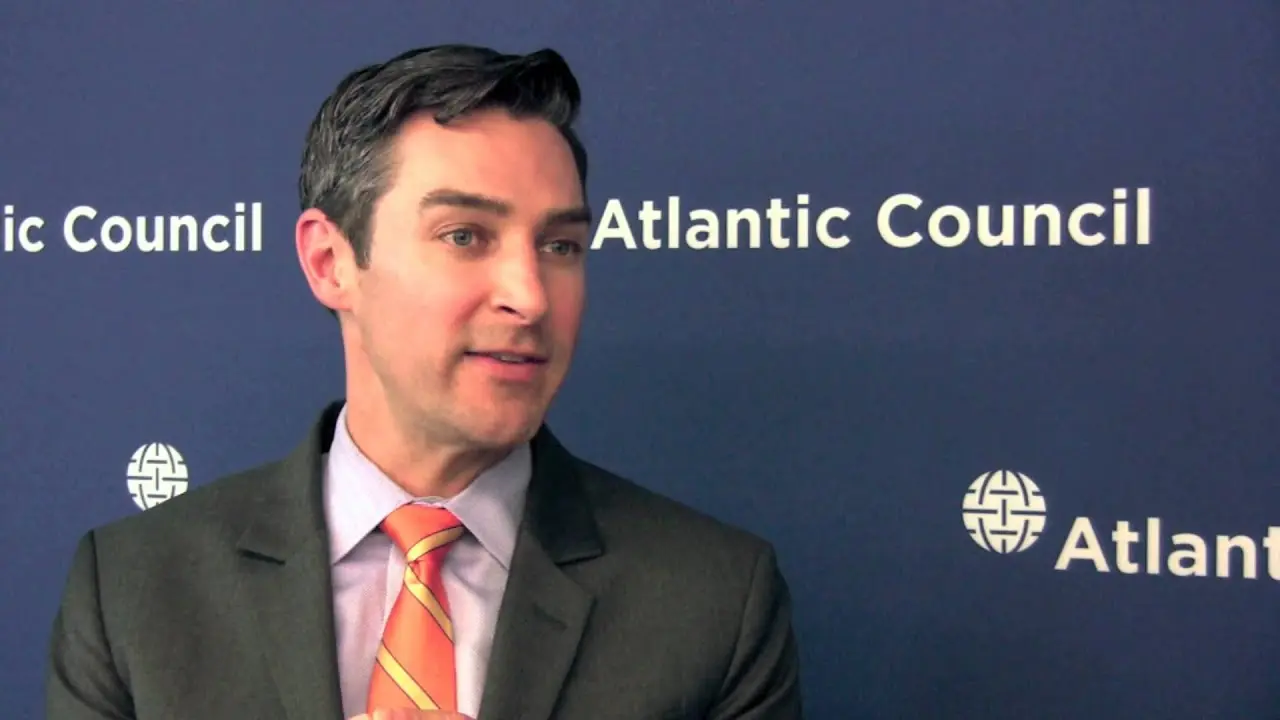
Damon Wilson is a prominent figure in U.S. foreign policy, serving as the President and CEO of the Atlantic Council since 2021. His significant role at this esteemed think tank has positioned him at the forefront of discussions surrounding international relations, democracy promotion, and transatlantic unity. Given current global challenges and geopolitical tensions, understanding Wilson’s contributions and perspectives has become more crucial than ever.
Career Highlights
Before taking the helms at the Atlantic Council, Wilson held various influential roles within the U.S. government, including Deputy National Security Advisor and Special Assistant to the President for National Security Affairs. His extensive experience encompasses crucial regions such as Eastern Europe and the Middle East, highlighting his deep understanding of complex global issues. Under his leadership, the Atlantic Council has intensified its focus on addressing contemporary security challenges, fostering democratic resilience, and promoting free markets.
Recent Initiatives and Positions
In 2023, Wilson has been instrumental in launching initiatives aimed at strengthening NATO’s Eastern flank in light of the ongoing conflict in Ukraine. This has involved not only military assessments and recommendations but also emphasizing the need for economic support for Ukraine and enhancing energy security across Europe. His strategic insights have become critical in advocating for a robust U.S. foreign policy that supports allies while countering adversarial influences.
Moreover, Wilson has been a vocal advocate for the importance of technology in warfare and diplomacy. Under his guidance, the Atlantic Council has been at the cutting edge of discussions around cybersecurity and digital governance, exploring how emerging technologies can serve democratic ends. This reflects Wilson’s commitment to ensuring that democratic states are prepared to face the challenges posed by authoritarian regimes, particularly in the digital domain.
Conclusion: A Focus on the Future
As global dynamics shift and new challenges emerge, Damon Wilson’s role as a thought leader in foreign policy will likely continue to grow. His emphasis on unity among democratic nations and proactive policy formulation is indicative of a broader trend aimed at countering authoritarianism worldwide. For readers, understanding Wilson’s work provides critical insights into the evolving landscape of U.S. foreign policy and its implications for global stability.