Introduction
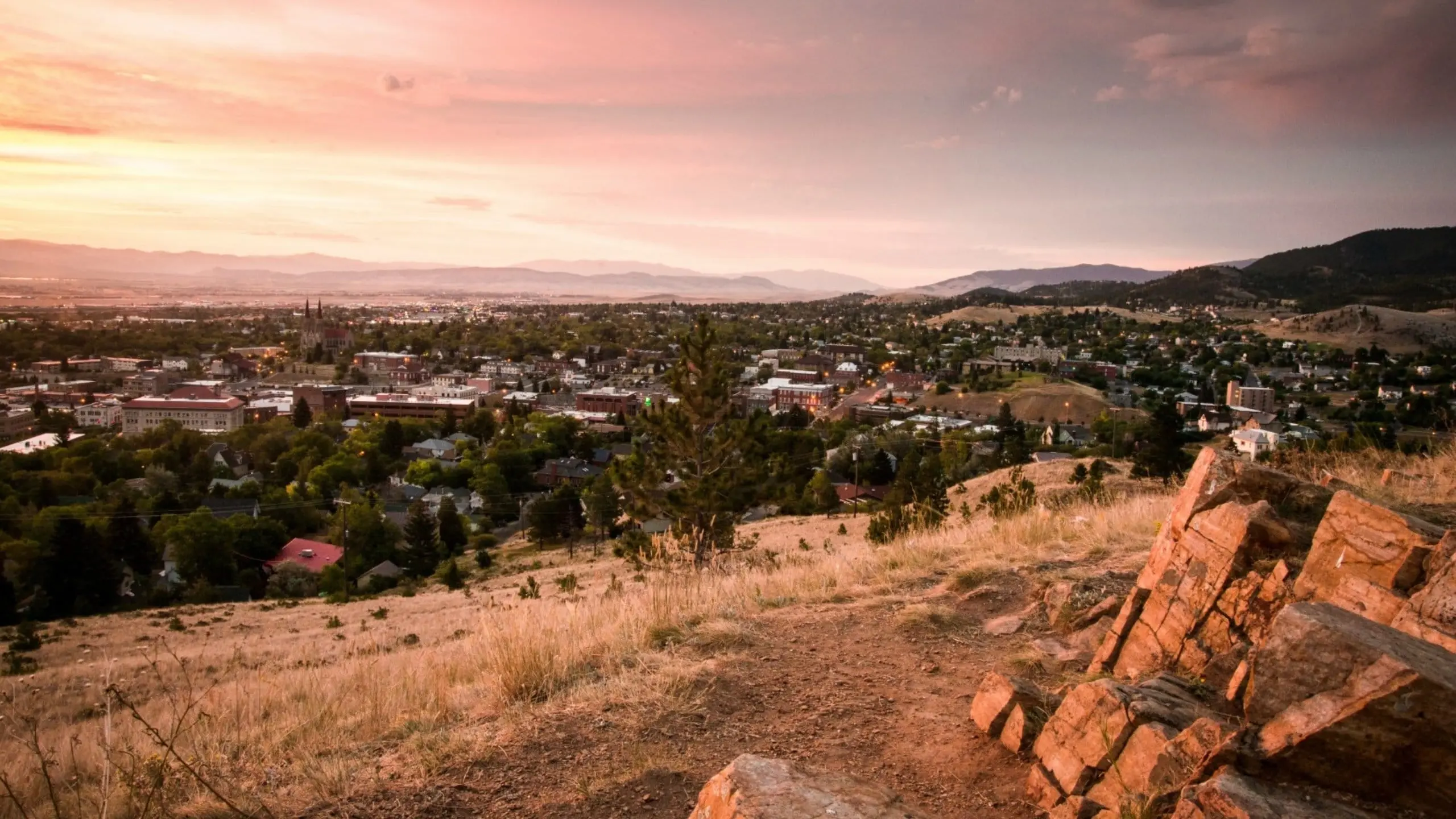
Helena, the capital city of Montana, stands as a testament to the rich historical and cultural tapestry of the state. Founded during the gold rush in the 1860s, Helena has since evolved into a vibrant city that reflects both its mining past and its commitment to preserving the natural beauty of the area. With a population of just over 32,000, it is recognized not only for its historical significance but also for its stunning landscapes and outdoor recreational opportunities.
History and Development
Helena’s beginnings date back to 1864 when gold was discovered in the vicinity, leading to a massive influx of miners and businesses. The city quickly became one of the wealthiest in Montana, boasting opulent buildings and a thriving community. The Montana State Capitol, completed in 1902, is a prominent symbol of Helena’s historic significance. Today, many of Helena’s historic districts and structures are preserved, attracting history enthusiasts and tourists alike.
Cultural Attractions
Helena is home to several museums, including the Montana Historical Society Museum, which offers insights into the state’s storied past. Visitors can explore exhibits on Native American history, the Lewis and Clark expedition, and the mining era. Additionally, the Holter Museum of Art showcases contemporary art and hosts various cultural events throughout the year.
Outdoor Activities
The city’s picturesque surroundings provide a playground for outdoor enthusiasts. With Mount Helena City Park right at its doorstep, residents and tourists can enjoy hiking trails that offer stunning views of the city and beyond. The nearby Helena National Forest borders also provide opportunities for camping, fishing, and wildlife photography, making it a popular destination for nature lovers.
Community and Events
Helena maintains a close-knit community that celebrates its rich cultural heritage through various events and festivals. The annual Montana Folk Festival draws musicians, artists, and thousands of visitors each July, creating a vibrant atmosphere of music and community spirit. Furthermore, Helena hosts a farmers’ market that highlights local produce and crafts, encouraging residents to support local businesses.
Conclusion
Helena, Montana, is more than just a state capital; it is a city steeped in history, enriched with culture, and surrounded by the wonders of nature. Whether you are a history buff, an art lover, or an outdoor adventurer, Helena offers a variety of experiences that cater to all interests. As more people discover its charm and beauty, Helena is poised for continued growth and recognition as a prime destination in the Northwest United States.