Introduction
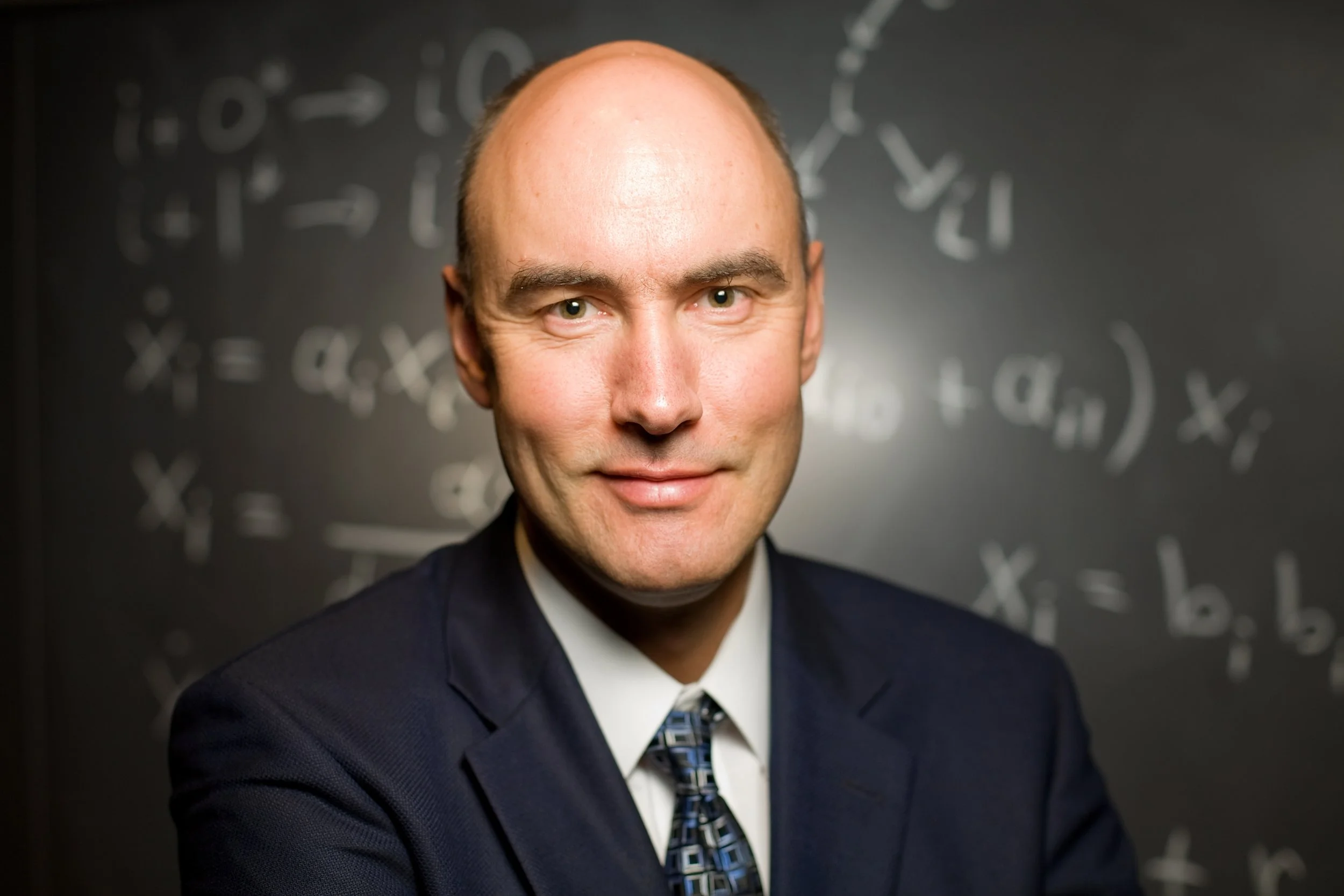
Martin Nowak is a prominent figure in the fields of evolutionary dynamics and mathematical biology. His research has significantly influenced our understanding of how evolutionary processes shape life on Earth. With implications that reach across disciplines such as biology, economics, and social sciences, Nowak’s work is highly relevant in today’s world, especially as we face global challenges like pandemics and climate change.
Main Contributions to Evolutionary Theory
Nowak, who is a professor at Harvard University and a member of the National Academy of Sciences, is known for his innovative approach to evolutionary theory, combining mathematics with biology. One of his notable contributions is the formulation of mathematical models that explain cooperation in biological systems, a phenomenon that can often appear paradoxical in the context of evolutionary competition.
In his research, Nowak has used game theory to analyze the dynamics of cooperation, revealing that cooperation can be a viable strategy in evolution under certain conditions. His work on the evolution of cooperation has led to the development of the ‘direct reciprocity’ and ‘indirect reciprocity’ frameworks, which provide insights into how cooperation can evolve even among self-interested individuals.
Recent Developments and Research
In recent years, Nowak has expanded his focus to include the study of human language evolution and the origins of cooperation in larger social systems. He has published numerous influential papers and has collaborated with various scientists to explore these complex questions. His insights on how language and social structures influence cooperation are particularly relevant in understanding human interactions in the modern world.
Conclusion
Martin Nowak’s pioneering work has reshaped how we understand the interplay between evolution and cooperation. As global challenges become increasingly complex, the insights gained from his research can inform strategies for fostering cooperation in societal contexts, from public health initiatives to environmental conservation efforts. Nowak’s continued exploration of the dynamics of evolution promises to yield further valuable contributions, suggesting that the intersection of mathematics and biology will remain a fertile ground for understanding not just the past, but also shaping a more cooperative future.