Introduction
Inclement weather can significantly disrupt daily life, affecting travel, safety, and community activities. It typically refers to harsh and severe conditions such as rainstorms, snowstorms, hurricanes, and extreme heat. As climate change continues to alter weather patterns, understanding and preparing for inclement weather has become increasingly relevant for individuals, communities, and businesses.
Current Events and Details
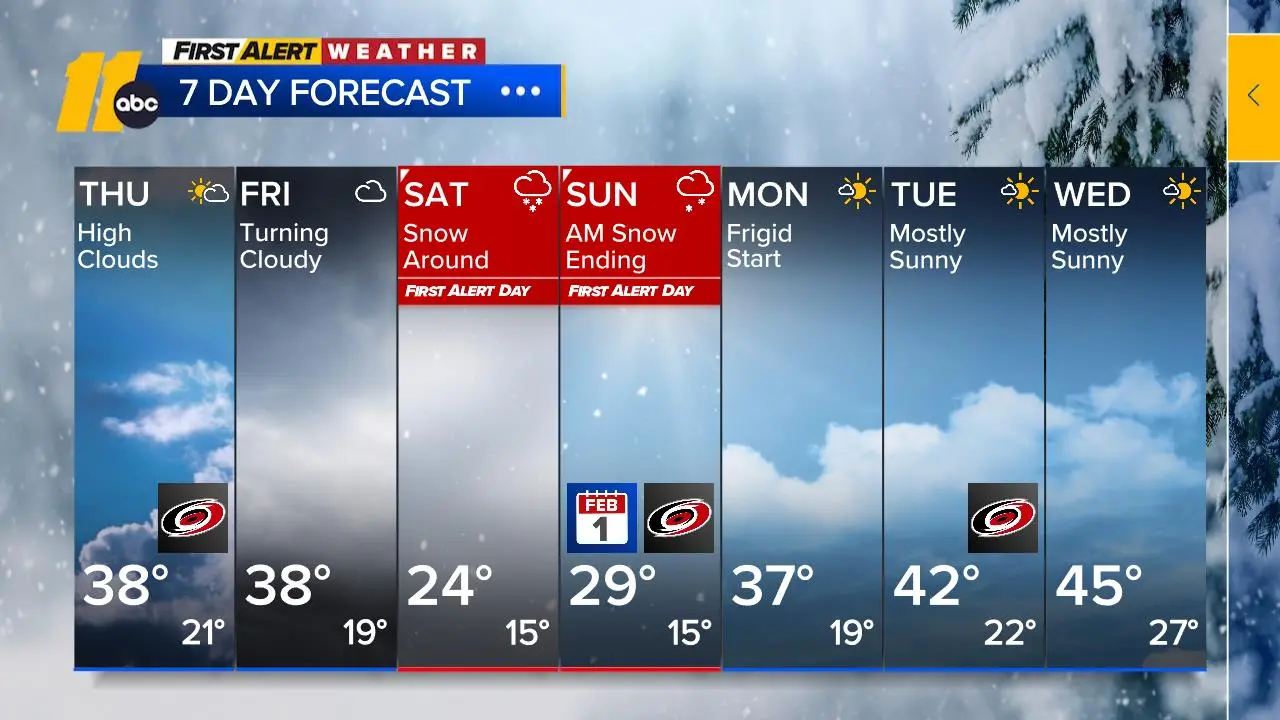
Recently, the Midwest and Northeast regions of the United States have been grappling with extreme winter storms that have brought heavy snowfall and frigid temperatures. According to the National Weather Service (NWS), areas in Minnesota and Wisconsin received upwards of 20 inches of snow last week, causing widespread travel disruptions and power outages. Thousands of flights were canceled, and residents were urged to stay indoors as local authorities worked to clear roads and restore power.
In addition to snowstorms, the southern states have been facing severe storms and tornadoes. The storm systems that swept through Alabama, Mississippi, and Louisiana last month resulted in multiple tornado touchdowns, leading to catastrophic damage in some areas and prompting emergency declarations. The NWS reported that advanced warnings helped save lives, yet the destruction left behind highlights the importance of being prepared for severe weather events.
Broader Implications
The implications of inclement weather extend beyond immediate inconveniences. Transportation systems can become overwhelmed, leading to delays in goods and services, which can impact local economies. For instance, according to a report by the American Transportation Research Institute, major weather events can cost the trucking industry billions of dollars each year in lost productivity and added operational costs.
Additionally, public health officials warn that severe weather can exacerbate health issues, particularly for vulnerable populations. The elderly and those with preexisting conditions may be at higher risk during extreme temperatures or when access to medical care is disrupted due to weather conditions.
Conclusion
As we continue to face the realities of an increasingly unpredictable climate, understanding inclement weather becomes essential for safety and preparedness. Communities must invest in infrastructure capable of handling severe weather and educate residents on emergency protocols. By taking these steps, individuals can mitigate the risks associated with inclement weather events, ensuring not just personal safety but the resilience of communities as a whole.