Introduction
As flu season approaches, the significance of flu shots becomes increasingly relevant. Vaccination not only protects individuals from the influenza virus but also plays a vital role in public health by reducing the spread of the virus. Health experts urge everyone, especially vulnerable populations, to get vaccinated to minimize the risk of severe illness and hospitalizations.
The Current Landscape of Flu Vaccination
This year, public health agencies like the Centers for Disease Control and Prevention (CDC) emphasize the importance of flu vaccinations in light of ongoing concerns regarding respiratory illnesses. The CDC reported a spike in flu cases in late 2022, with approximately 20 million cases, highlighting the ongoing threat posed by influenza. Vaccination is key in mitigating these statistics, with estimates suggesting that flu shots can reduce the risk of getting sick by approximately 40-60%.
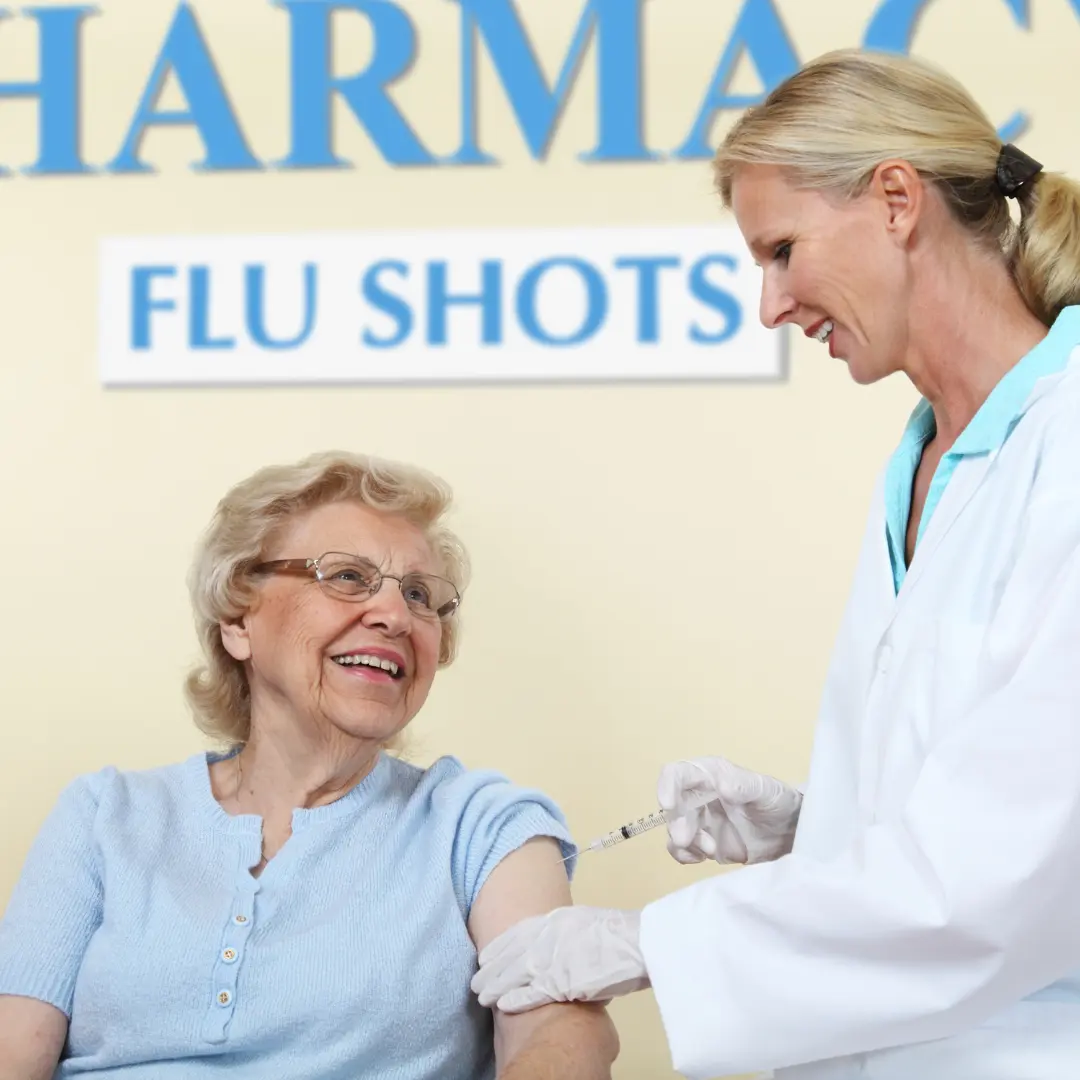
Flu shot availability is widespread, with numerous options available, including standard quadrivalent vaccines, high-dose vaccines for seniors, and live attenuated vaccines for those aged 2 to 49. The vaccines are typically available at healthcare providers, pharmacies, and clinics, making it convenient for individuals to find a suitable option.
New Developments for the 2023 Flu Season
This year’s flu vaccine has been updated to better match circulating viruses. The CDC now recommends receiving the vaccine by the end of October to ensure optimal protection before the peak of flu season, which usually occurs in December through February. Furthermore, the flu vaccine can be administered alongside the COVID-19 vaccine and other routine immunizations, providing an excellent opportunity for individuals to protect themselves against multiple illnesses in one visit.
Conclusion
As we head into the 2023 flu season, the importance of flu shots cannot be overstated. They offer protection not only for individuals but also foster community immunity, reducing overall transmission. By staying informed and vaccinated, we can collectively reduce the burden of influenza, protect those at higher risk for severe disease, and allow healthcare systems to focus on other pressing health issues. Health experts and government agencies will continue to monitor flu trends and provide updates, emphasizing the critical role vaccinations play in public health.