Introduction
The role of government is vital to the structure and stability of modern societies. As the entity responsible for establishing laws, maintaining order, and providing services, government affects the daily lives of citizens fundamentally. With ongoing discussions surrounding governance, transparency, and accountability, understanding the intricate framework of governmental functions is crucial for civic engagement and informed voting.
The Essential Functions of Government
Governments serve multiple key functions that ensure their effectiveness and relevance. Firstly, the enforcement of laws is paramount, as it establishes a code of conduct that maintains public order. This includes everything from criminal justice systems to zoning laws that govern property use.
Secondly, governments are responsible for the provision of essential services such as education, healthcare, and infrastructure. The COVID-19 pandemic highlighted the necessity of robust public health systems and supportive social structures, demonstrating that effective governance can significantly impact public welfare.
Current Events and Challenges
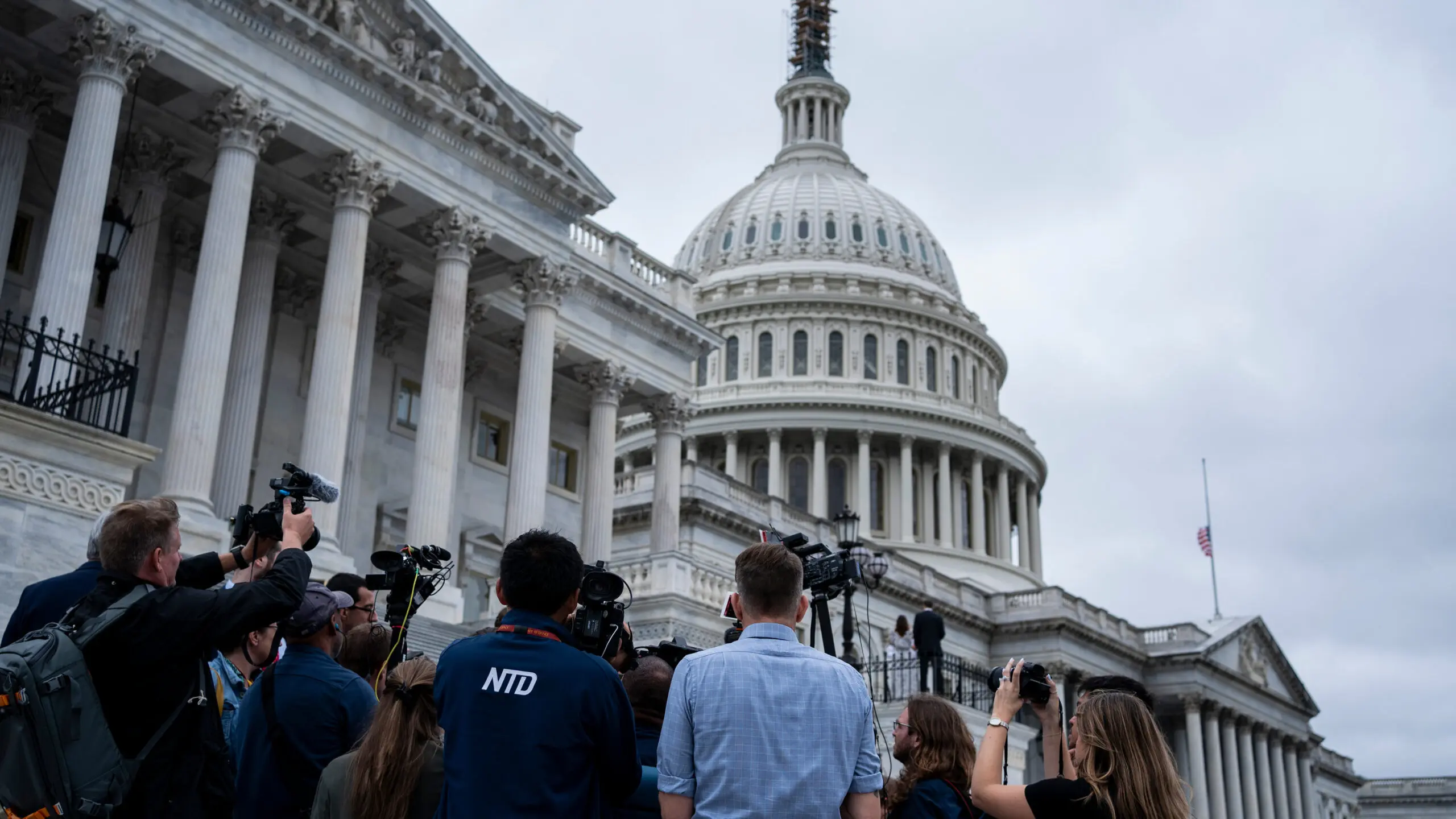
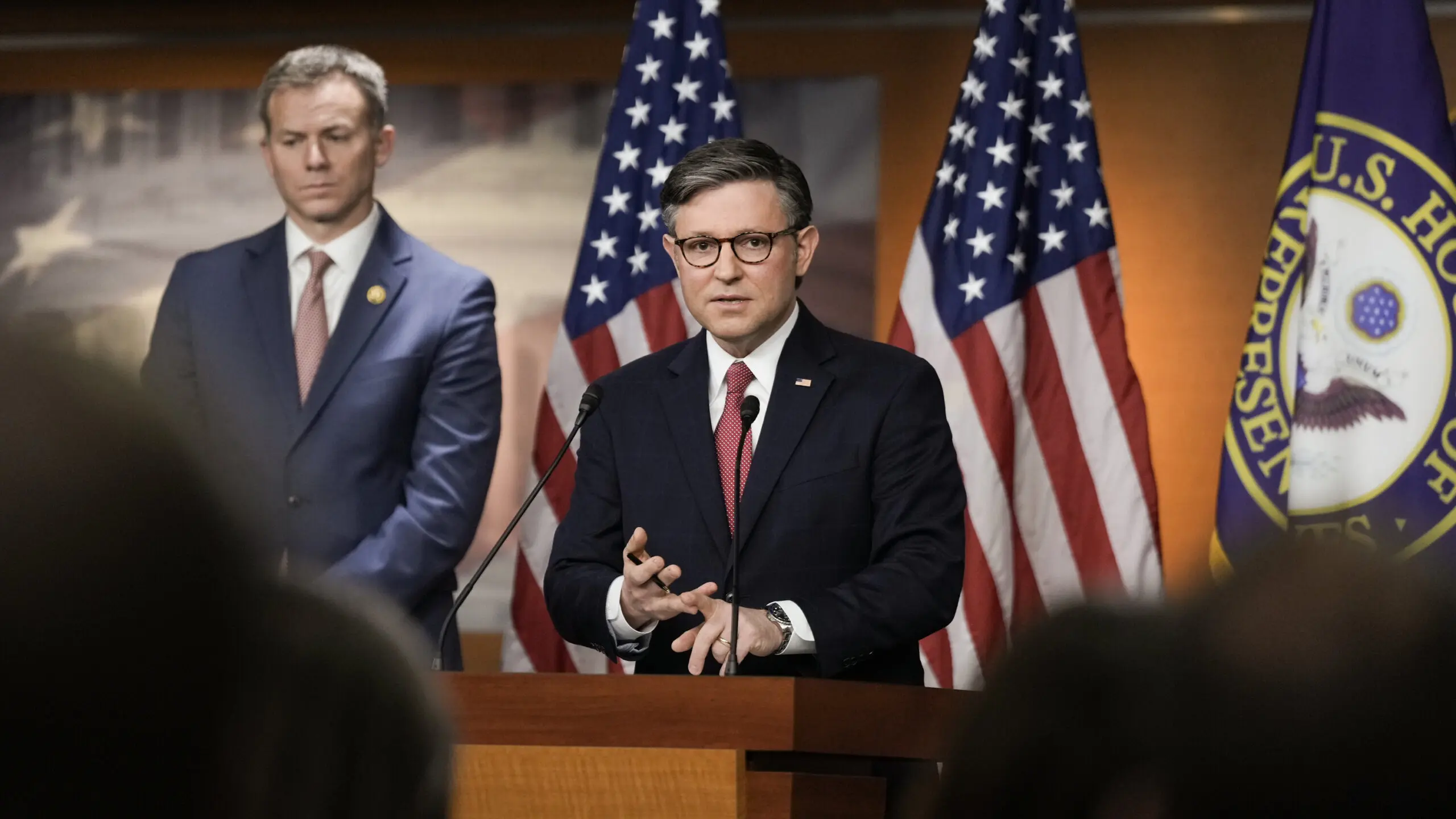
In recent months, various governments worldwide have faced challenges that test their capacity to govern effectively. For example, the United States Congress has been grappling with budget negotiations and debt ceiling debates, raising questions about fiscal responsibility and economic policy. These ongoing discussions reflect broader questions about the size and scope of government intervention in economic matters.
Moreover, international relations have been strained due to geopolitical tensions, with governments adjusting their foreign policies to address issues such as trade agreements, climate change, and security. The importance of governmental diplomacy and international law is ever-present as nations navigate these complex relationships.
The Future of Governance
Looking ahead, the future of government is likely to be characterized by both challenges and opportunities. The advent of technology has transformed how citizens interact with their governments, leading to calls for greater transparency and participation in decision-making processes. Civic engagement has shifted to digital platforms, enabling a new level of communication and feedback between citizens and their representatives.
Furthermore, issues such as climate change require innovative policies and international cooperation, emphasizing the necessity for adaptive governance that can respond to emerging global challenges.
Conclusion
In conclusion, the role of government remains a cornerstone of society, influencing countless aspects of life from local communities to global interactions. As political landscapes evolve, citizens must remain informed and engaged to ensure that their governments reflect their needs and societal values. Understanding government functions will help individuals navigate these changes and advocate for effective policies that shape their futures.