Introduction
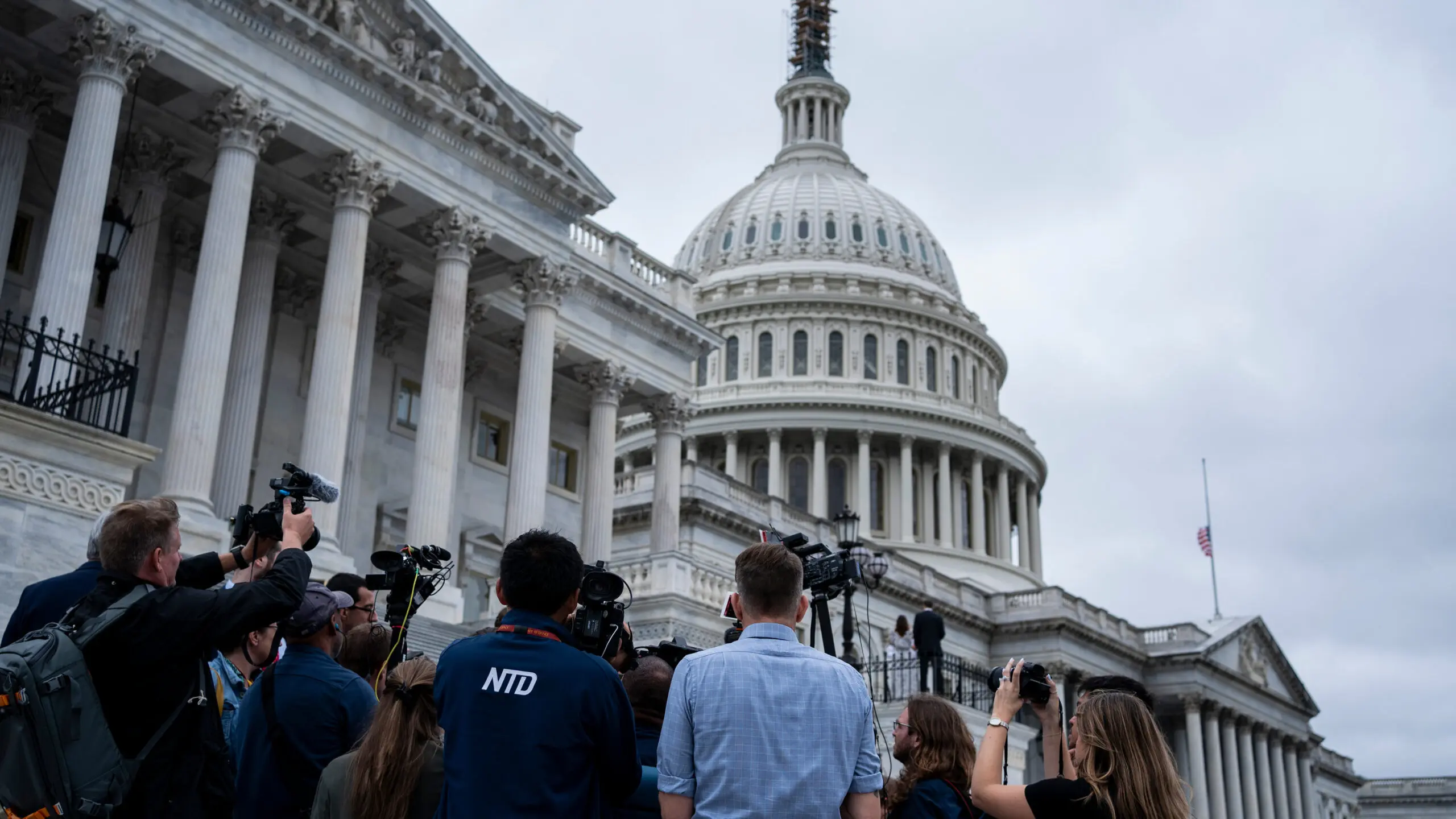
The possibility of a government shutdown in 2026 looms as budgetary disputes and partisan divisions continue to fracture Congress. Such a shutdown poses significant risks to government services, economic stability, and citizen welfare. Understanding the implications and factors leading to a potential shutdown is crucial for citizens and policymakers alike.
Background of Government Shutdowns
Government shutdowns occur when Congress fails to pass appropriations bills or continuing resolutions to fund government operations. The last major shutdown occurred in 2018-2019, lasting 35 days, highlighting the severe impact that a failure to agree on budgets can have on federal services and employees. Since then, the political landscape has only become more contentious, suggesting future shutdowns could be likely.
Current Political Climate
As of 2023, political analysts have noted an increase in partisanship, with both major parties struggling to find common ground on budgetary priorities. Faced with pressing issues like inflation, economic recovery, and social programs, both sides remain entrenched in their positions. The stakes in 2026 are high, with multiple elections looming and policymakers under pressure from their constituents.
Potential Causes of a Shutdown in 2026
Several factors could contribute to a government shutdown in 2026, including:
- Budgetary Disputes: If Congress cannot agree on spending levels or priorities, appropriations may stall.
- Political Divisions: The polarization of the two main parties could heighten disagreements over key issues.
- Economic Pressures: Persistent economic challenges may lead to contentious debates over fiscal policy.
Impacts on Citizens and the Economy
A government shutdown can have far-reaching consequences:
- Disruption of Services: Essential services, including national security and healthcare programs, may be disrupted.
- Economic Effects: A prolonged shutdown can dampen economic growth, affecting jobs and investments.
- Public Trust: Repeated shutdowns erode public confidence in government effectiveness.
Conclusion
As the nation progresses toward 2026, the risk of a government shutdown remains a pertinent concern for citizens, businesses, and government employees alike. Understanding the landscape of political decisions and budgeting priorities will be crucial for anticipating and mitigating the impacts of potential shutdowns. Continued dialogue and bipartisan cooperation are essential to prevent such situations that threaten to disrupt everyday life and the economic stability of the country.