Introduction
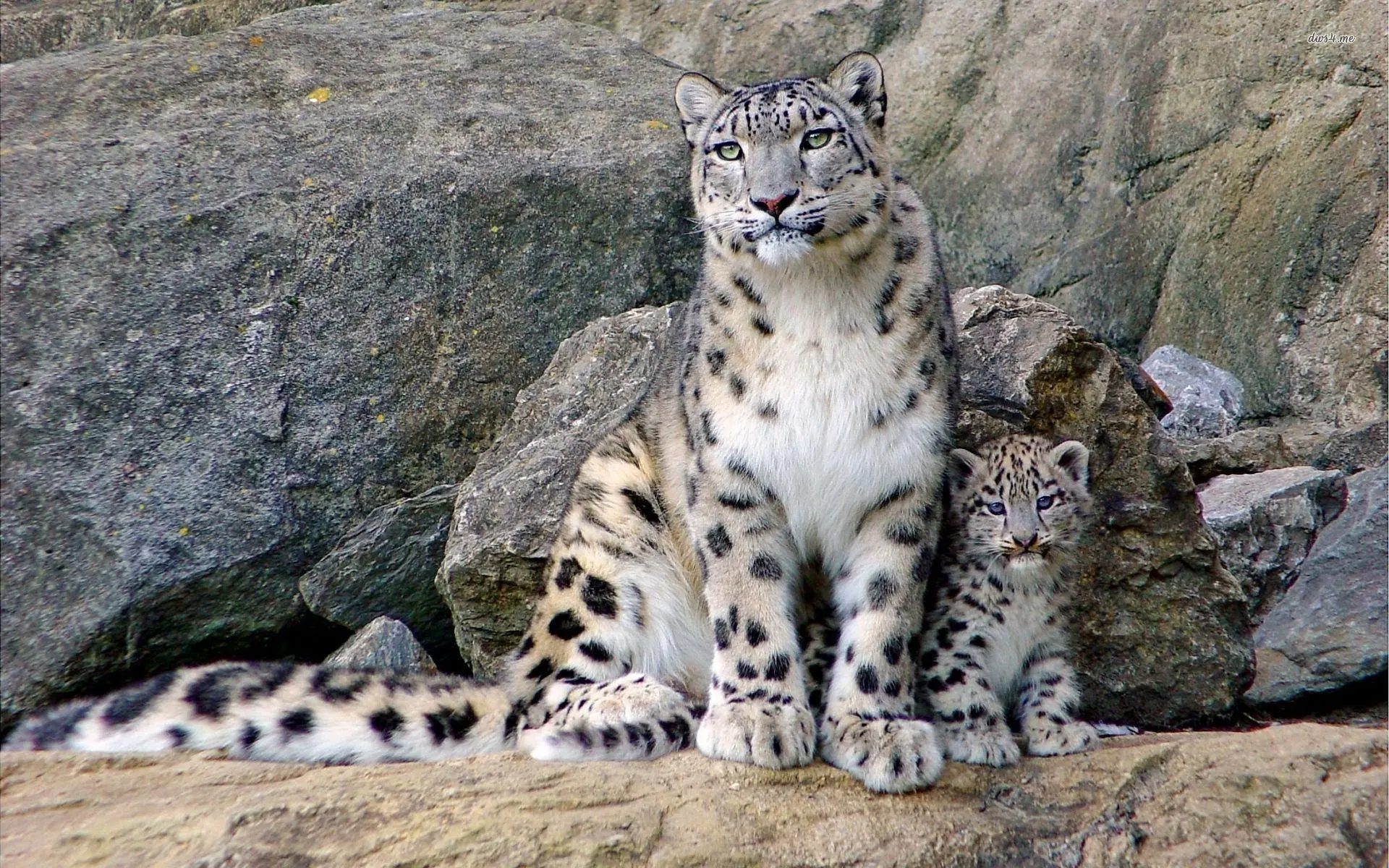
The snow leopard (*Panthera uncia*), often referred to as the ‘ghost of the mountain’, is an iconic species found in the mountain ranges of Central and South Asia. Known for its beautiful thick fur and elusive nature, the snow leopard serves as a key indicator of the health of its ecosystem. With its population declining due to various threats, the conservation of snow leopards has become a pressing issue not only for maintaining biodiversity but also for the livelihood of communities living in its habitat.
Current Threats to Snow Leopards
Recent studies estimate that there are only between 4,000 to 6,500 snow leopards left in the wild. The main threats include poaching, loss of habitat due to development, and retaliatory killings from farmers who see these big cats as threats to their livestock. Climate change is also impacting their mountainous habitats, leading to a decrease in prey availability.
Conservation Initiatives
To combat these threats, conservation organizations and governments are implementing various strategies. The Snow Leopard Trust, for instance, is partnering with herding communities in countries like Mongolia and Nepal to develop predator-proof corrals, which help protect livestock while fostering coexistence. Another significant initiative is the Global Snow Leopard and Ecosystem Protection (GSLEP) program, launched in 2013. This international initiative aims to stabilize snow leopard populations and protect the ecosystem by fostering community engagement and legal protections across the snow leopard range.
Success Stories and Community Involvement
One notable success story comes from Bhutan, where community-led conservation efforts have seen an increase in snow leopard sightings, as well as a decline in human-wildlife conflict. By involving local communities in conservation and providing them with economic incentives, such as ecotourism projects, positive outcomes have not only boosted biodiversity but also improved the livelihoods of those living alongside these magnificent cats.
Conclusion
The conservation of the snow leopard is essential for preserving the intricate balance of mountain ecosystems. With continued threats looming over their habitats and populations, ongoing efforts from global communities, local stakeholders, and conservation organizations are essential. As we look toward the future, it is crucial for readers to support conservation initiatives and understand their role in fostering the coexistence of humans and wildlife in this fragile ecosystem. Every action counts towards ensuring that these majestic creatures continue to roam the mountain ranges for generations to come.