Introduction
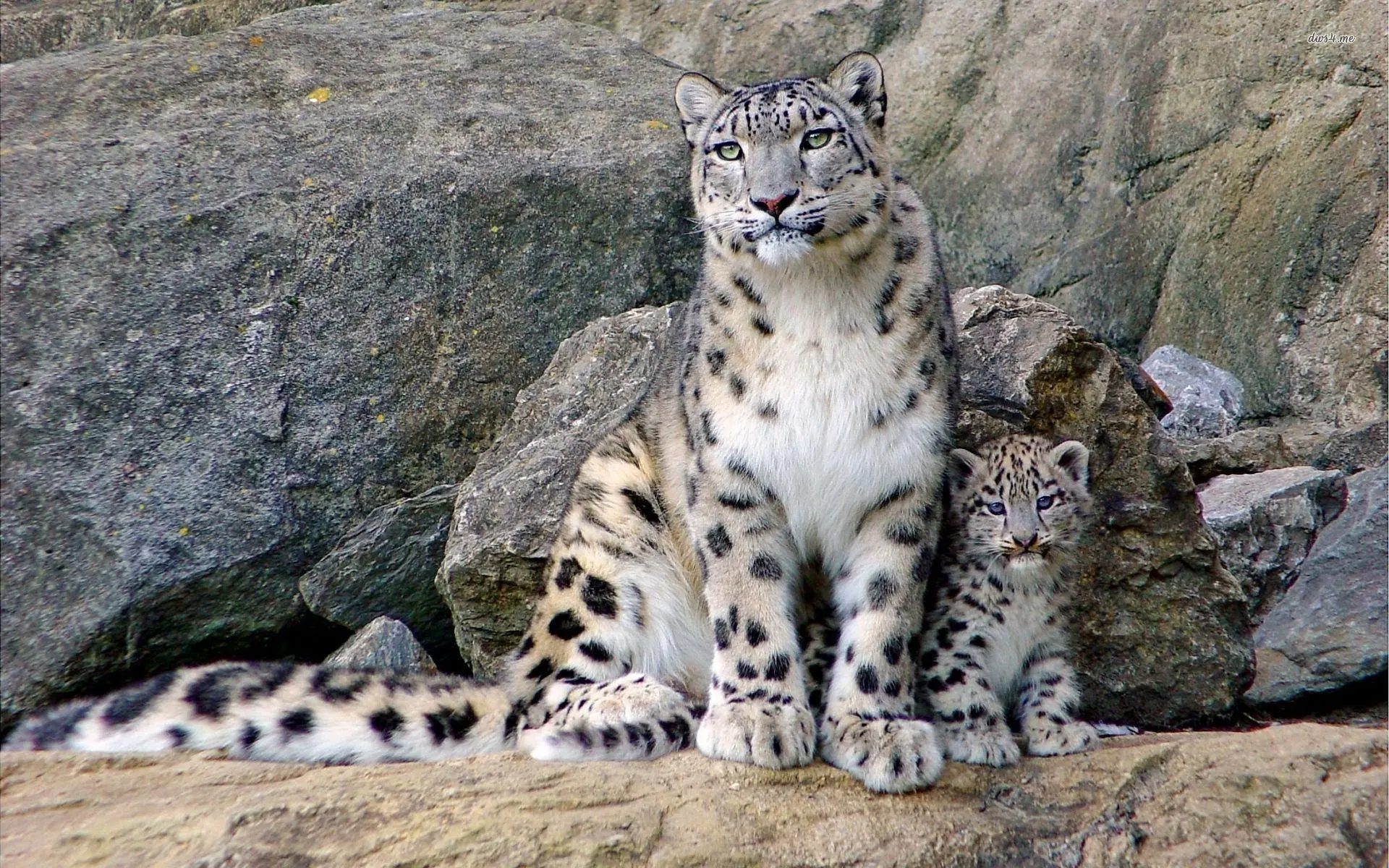
The snow leopard (Panthera uncia), a majestic and elusive feline found primarily in the mountain ranges of Central and South Asia, holds a vital role in its ecosystem. As a top predator, it maintains the balance of the fragile alpine environment. However, the snow leopard is classified as ‘vulnerable’ by the International Union for Conservation of Nature (IUCN), with an estimated population of fewer than 7,000 individuals left in the wild. Understanding the importance of this species and ongoing conservation efforts is essential for preserving biodiversity and promoting ecological health.
Key Facts about Snow Leopards
Snow leopards are uniquely adapted to their harsh mountainous habitat, with thick fur, large paws that act like snowshoes, and a long tail for balance. They primarily prey on ibex, blue sheep, and other ungulates, playing a crucial role in controlling these populations. The snow leopard’s range spans across several countries, including Bhutan, India, Mongolia, Nepal, Pakistan, and Russia, making international conservation collaboration particularly important.
Current Conservation Efforts
In recent years, numerous organizations have initiated conservation programs aimed at protecting snow leopards and their ecosystems. The Snow Leopard Trust, established in 1981, works directly with local communities to foster coexistence through education, sustainable livelihoods, and incentives for protecting these big cats. Other initiatives include the Global Snow Leopard and Ecosystem Protection Program (GSLEP), a partnership of 12 range countries dedicated to improving snow leopard conservation through habitat preservation and anti-poaching funding.
Challenges to Their Survival
Despite ongoing efforts, snow leopards continue to face significant threats. Habitat loss due to climate change, livestock grazing, and development projects are primary concerns. Additionally, poaching and retaliatory killings by herders who fear for their livestock further threaten their survival. Awareness and education are crucial for mitigating these conflicts and fostering a supportive relationship between local communities and snow leopards.
Conclusion
The snow leopard stands as an iconic symbol of the high mountains and the need for its conservation reflects broader environmental challenges. Protecting this elusive creature not only safeguards its future but also promotes the health of its ecosystem. As conservation efforts continue to evolve, heightened international cooperation and community engagement will be essential in ensuring that future generations can witness the splendor of the snow leopard in the wild.