Introduction
The technological advancement in meteorology has brought significant improvements in weather forecasting, and one of the most crucial tools in this field is the weather radar map. These maps provide vital information about precipitation, storm systems, and atmospheric conditions, making them essential for both professional meteorologists and the general public. As extreme weather events become more prevalent due to climate change, understanding weather radar maps has never been more relevant.
How Weather Radar Maps Work
Weather radar maps utilize electromagnetic waves to detect precipitation in the atmosphere. There are primarily two types of radar used: Doppler radar and conventional radar. Doppler radar not only detects precipitation but also measures its velocity, allowing meteorologists to track storm movement and predict potential tornadoes or severe weather events.
The radar emits a pulse of energy that bounces off particles in the atmosphere, such as raindrops or snowflakes. The strength and time it takes for the returned signal to reach the radar system inform meteorologists about the type and intensity of precipitation. These details are then translated into visual representations on weather radar maps, often color-coded to indicate varying intensities of precipitation.
Recent Developments and Events
In 2023, several advancements in weather radar technology have been implemented to improve accuracy and timely updates. For example, the National Weather Service has upgraded many of its radar systems across the United States, expanding their capabilities to include higher resolution imagery and faster data processing. These upgrades are essential in monitoring severe weather such as thunderstorms, hurricanes, and blizzards which pose significant risks to life and property.
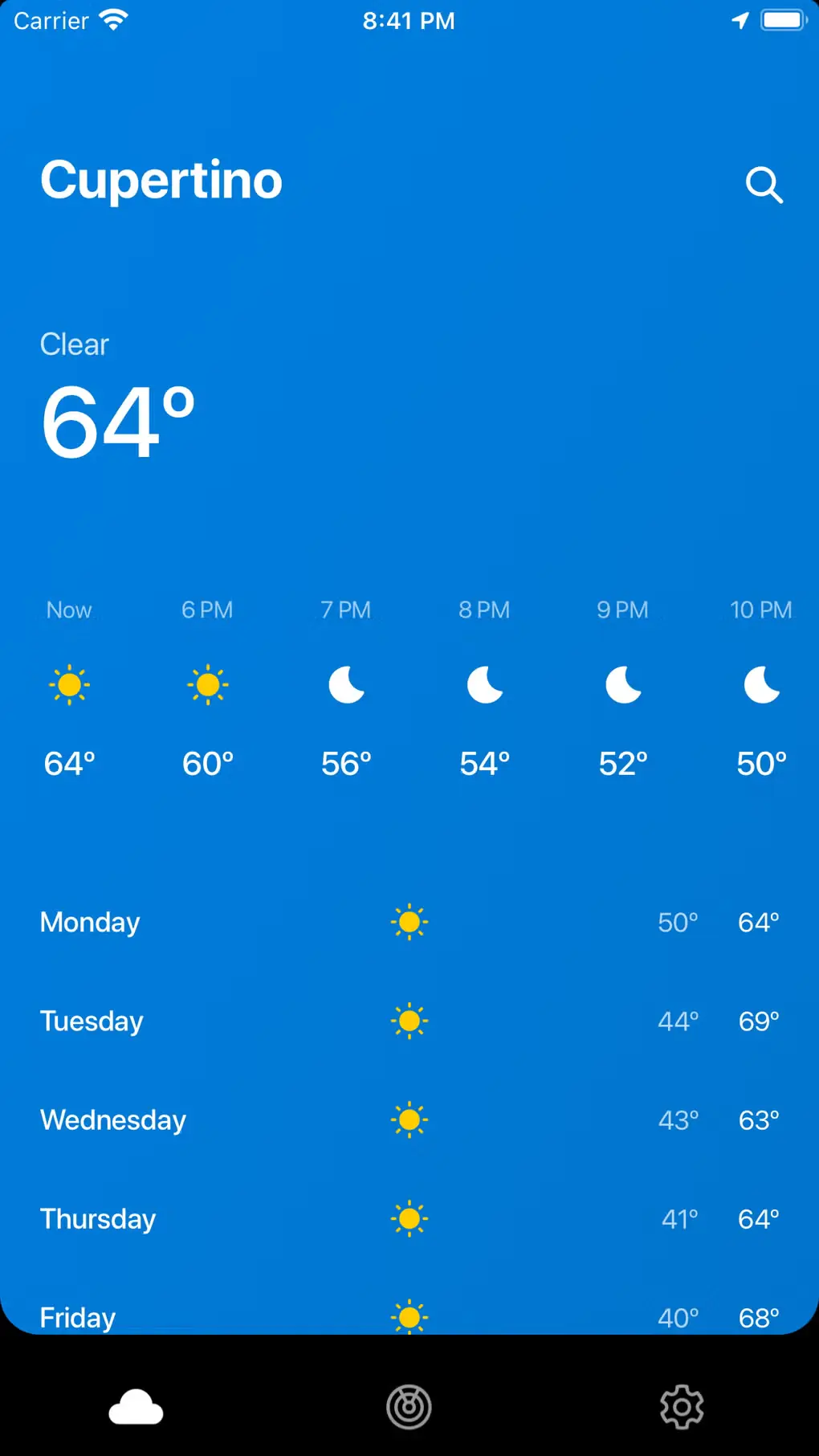
Moreover, the integration of weather radar maps with mobile applications and online platforms has provided users with easy access to real-time data. Recent hurricane tracking, such as Hurricane Idalia in August 2023, showcased how timely radar information can help ensure safety and preparedness for communities facing severe weather threats.
Conclusion
Weather radar maps are indispensable tools in modern meteorology, helping to provide accurate weather forecasts and saving lives during extreme weather events. As technology continues to evolve, the accuracy and accessibility of weather radar information will likely improve, allowing communities to better prepare for and respond to adverse weather conditions. For readers, staying informed about how to interpret these maps can be vital for personal safety and awareness of ongoing weather phenomena.