Introduction
Weather radar is an essential technology used by meteorologists to observe and predict weather phenomena. With its ability to detect precipitation, storm movement, and intensity, weather radar plays a crucial role in ensuring public safety and aiding disaster response efforts. Given the increasing frequency of extreme weather events globally, understanding how weather radar works and its applications is more relevant than ever.
How Weather Radar Works
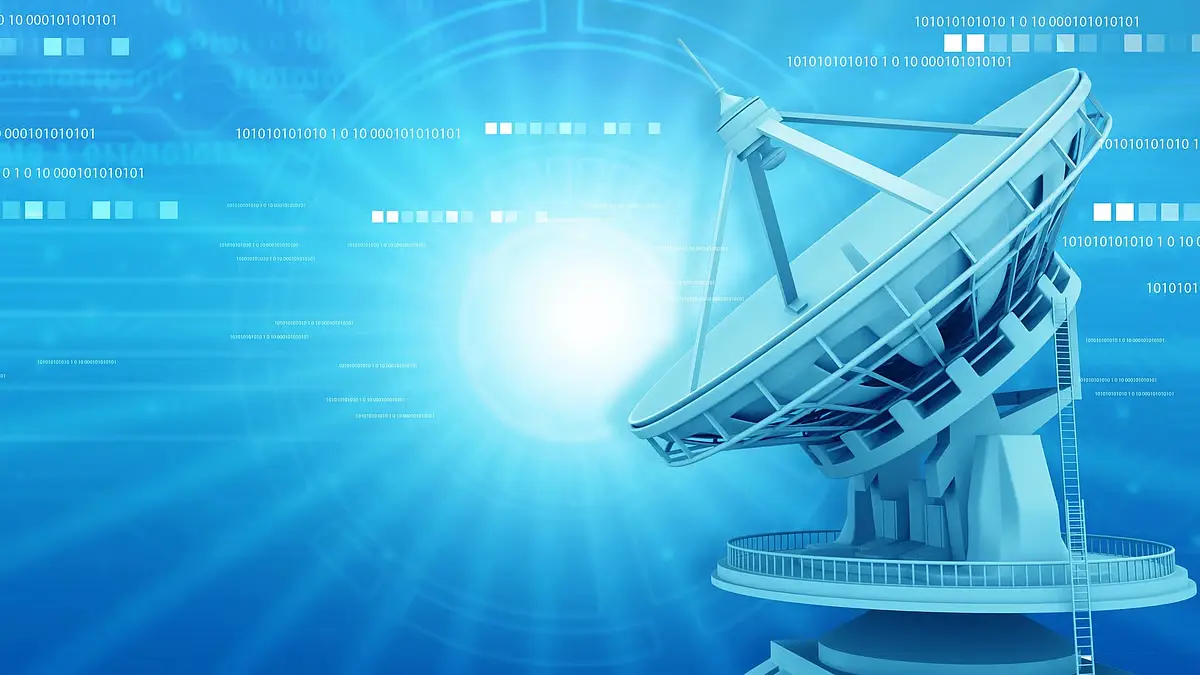
Weather radar operates based on the principles of radio wave transmission. The system emits radio waves that bounce off precipitation particles and return to the radar dish. By measuring the time it takes for the waves to return, the radar can calculate the distance to the storm and assess its intensity. Advanced radar systems can differentiate between types of precipitation, such as rain, snow, and hail, providing critical data for accurate forecasting.
Recent Developments and Events
In recent weeks, severe weather events across various regions of the United States have further illuminated the importance of weather radar. For instance, during the devastating tornado outbreak in the Midwest earlier this month, meteorologists utilized Doppler radar technology to issue timely warnings that allowed residents to take cover. The National Weather Service reported that areas with access to real-time radar data had significantly lower incidences of injuries compared to previous tornado seasons. This clearly showcases the life-saving potential of modern weather radar systems.
The Future of Weather Radar Technology
Looking forward, advancements in technology are expected to enhance the capabilities of weather radar. Innovations such as dual-polarization radar technology provide more detailed information about precipitation and its characteristics. Additionally, the integration of artificial intelligence in forecasting models could lead to more precise predictions and improved public safety measures. As climate change continues to affect weather patterns, the role of radar technology in understanding and preparing for severe weather is anticipated to grow.
Conclusion
In conclusion, weather radar is a vital tool for monitoring and predicting weather events, particularly as climate patterns shift and severe weather becomes more common. The ability to provide accurate and timely data can save lives and help communities prepare for potential disasters. As technology advances, the significance of weather radar will likely increase, emphasizing the need for ongoing investment and research in this critical area of meteorology.