Introduction to Weather Radar
Weather radar has become an essential tool in meteorology, helping to predict and monitor weather conditions with remarkable precision. By utilizing radio waves, weather radars detect precipitation intensity, movement, and velocity, contributing to accurate weather forecasts. This technology is crucial for public safety, aviation, agriculture, and disaster preparedness, making its relevance undeniable in today’s rapidly changing climate.
How Weather Radar Works
Weather radars operate by emitting microwave radio waves into the atmosphere. When these waves encounter objects such as raindrops, snowflakes, or hail, they bounce back to the radar receiver, allowing meteorologists to analyze the returned signals. The intensity and duration of the echoes provide vital information about precipitation type, size, and direction.
Recent Advancements in Weather Radar
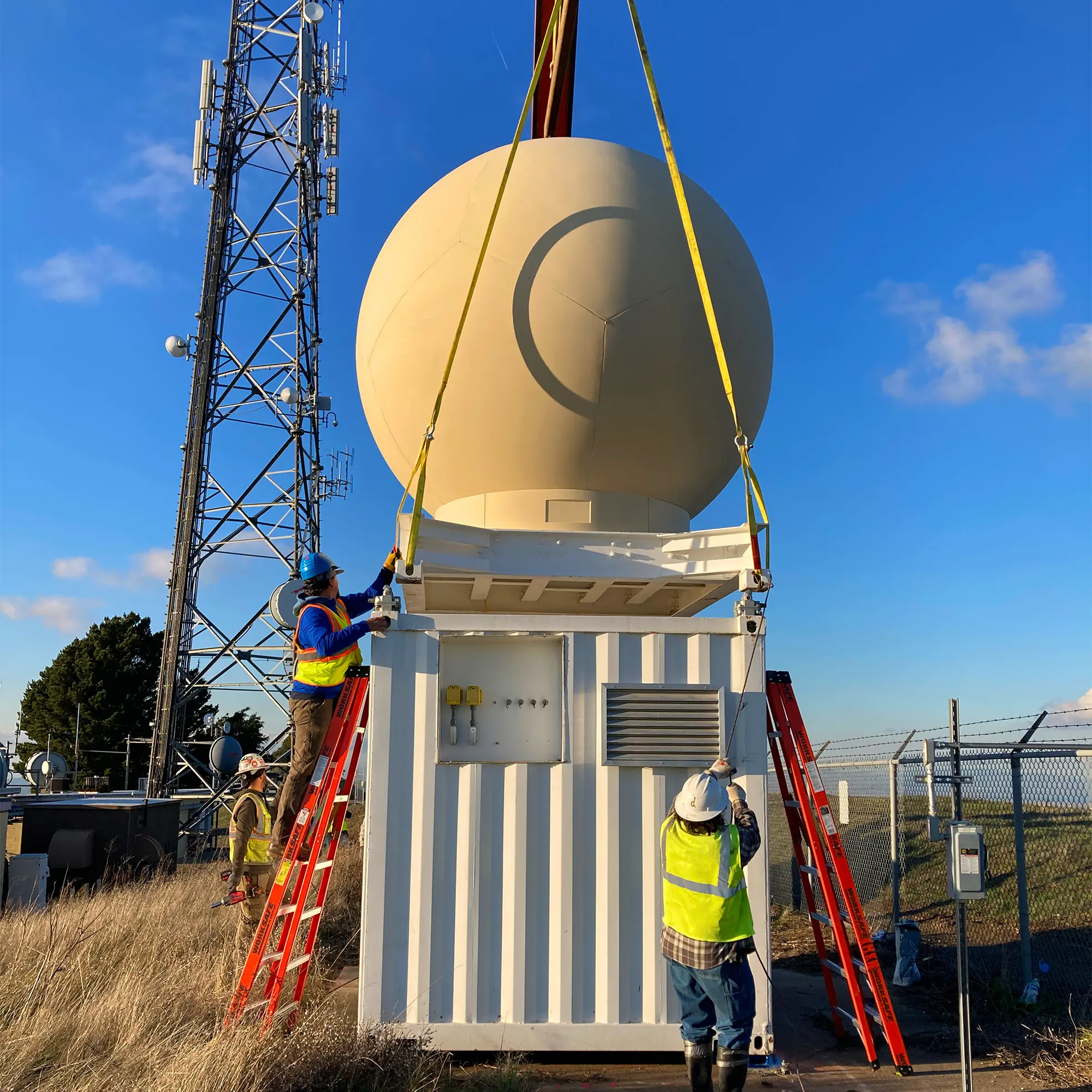
With advancements in technology, the capabilities of weather radar systems have significantly improved. For instance, the National Oceanic and Atmospheric Administration (NOAA) has recently upgraded its Doppler radar networks across the United States. These upgrades enhance the radar’s ability to detect severe weather patterns, including tornadoes and thunderstorms, allowing for timely warnings to the public. Furthermore, the integration of dual-polarization radar technology enables the distinction between different types of precipitation—rain, snow, or sleet—providing more accurate forecasts.
Impact on Daily Lives
The implications of weather radar extend beyond meteorological observations. For farmers, accurate weather forecasts assist in planning irrigation and harvesting schedules, minimizing crop damage. Airlines rely on weather radar to ensure flight safety by navigating around inclement weather. Additionally, emergency management services utilize radar data to prepare for severe weather events, enabling swift evacuations and resource allocations.
Conclusion and Future Significance
As climate patterns continue to evolve and extreme weather events become increasingly commonplace, the role of weather radar in predicting and understanding these phenomena is more vital than ever. Future developments in radar technology, including satellite integration and improved data analytics, hold the promise of even greater accuracy and reliability. For the general public, staying informed through these advancements in weather radar could mean the difference between safety and disaster in unpredictable weather conditions.