Introduction
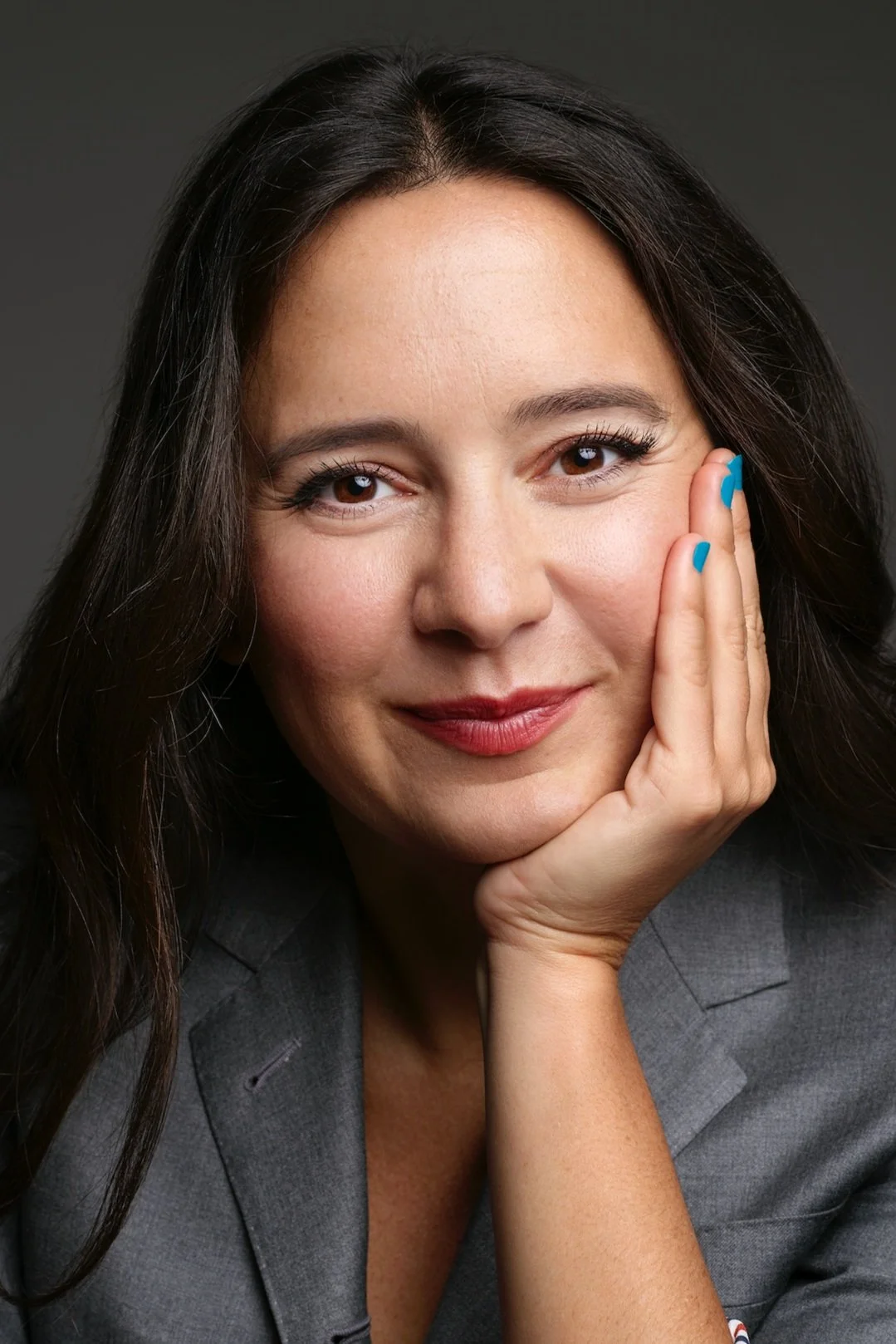
Bari Weiss has become a prominent figure in contemporary journalism, known for her outspoken opinions and commitment to free speech. Her work has sparked significant discussions about political correctness, cancel culture, and the role of media in society. As an author and former New York Times editor, Weiss has a platform that resonates with many, making her insights particularly relevant in today’s polarized media environment.
Background and Career
Born on February 26, 1984, in Pittsburgh, Pennsylvania, Weiss started her career in journalism at The Wall Street Journal, where she covered news and opinion pieces. In 2017, she joined The New York Times as an opinion editor, where she aimed to expand the publication’s range of voices. However, her tenure was marked by controversy, as Weiss often found herself at odds with her colleagues over issues related to free speech and editorial direction. In July 2020, she resigned from The Times citing a culture of intolerance for differing views.
Current Projects and Views
Following her departure from The New York Times, Weiss launched an online platform called ‘The Free Press,’ which is dedicated to civil discourse and free expression. She has continued to engage with current events through writing and public speaking, positioning herself as a critic of what she sees as an increasingly censorious culture. Weiss argues that protecting diverse opinions, even those that are unpopular or controversial, is essential for a healthy democracy.
Impact and Reception
Weiss’s views have earned her both adoration and criticism. Supporters praise her for championing free speech and standing against cancel culture, while detractors argue that she often misrepresents discussions around these topics. Despite differing opinions on her methods, there is a consensus that Weiss has successfully brought critical conversations about media ethics and freedom of expression to the forefront of public discourse.
Conclusion
As Bari Weiss continues to navigate the complex media landscape, her influence on modern journalism is undeniable. Her efforts to foster open dialogue and defend free speech resonate with many who feel that differing viewpoints are increasingly marginalized. The significance of her work highlights the ongoing tensions in contemporary society regarding freedom of expression, and it will be crucial to observe how her initiatives evolve and impact the future of journalism.