Introduction
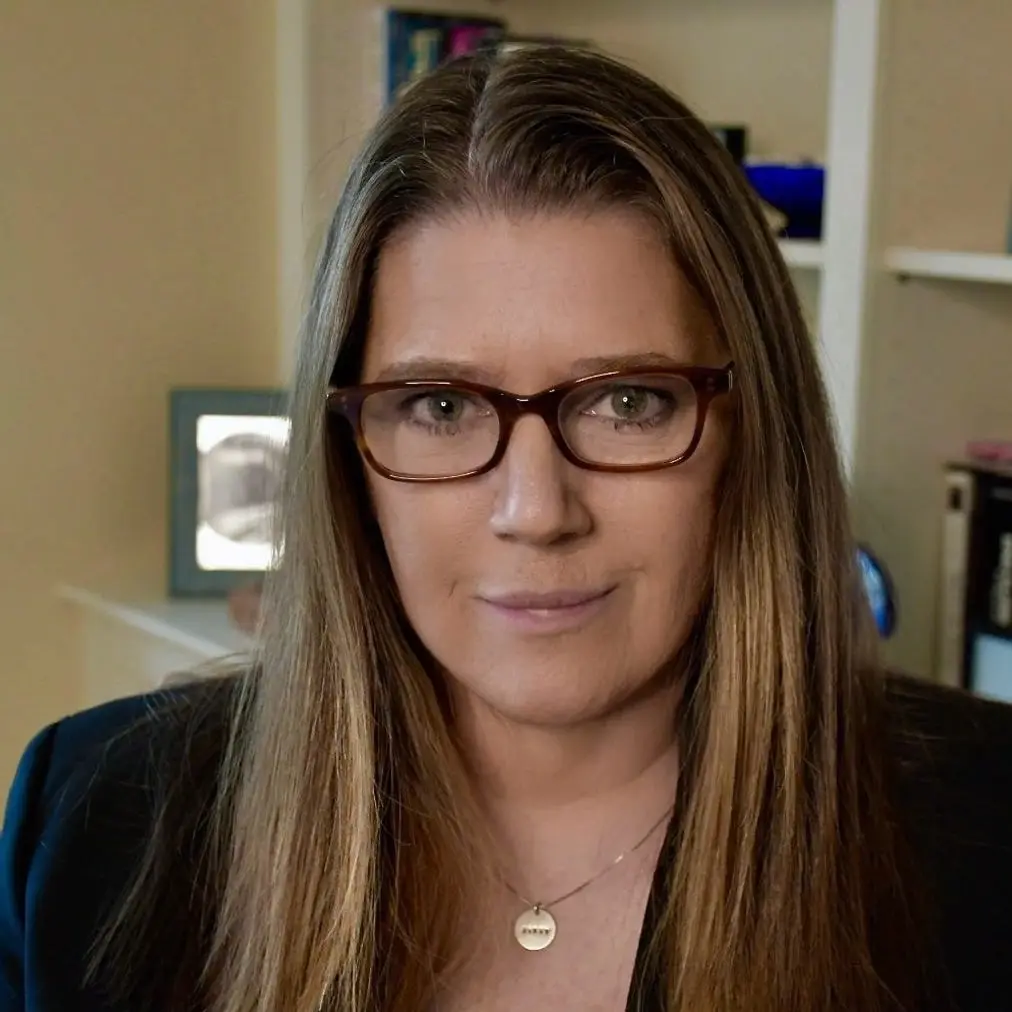
Mary Trump, the niece of former President Donald Trump and a clinical psychologist, has been in the public eye since the release of her bestselling book, “Too Much and Never Enough.” Her insights into her family dynamics and her perspective on politics have sparked conversations across the nation. As the American political landscape continues to evolve, understanding Mary Trump’s viewpoints helps illuminate the complexities of family influence in politics.
Recent Developments
In recent months, Mary Trump has been vocal about her thoughts on the implications of Donald Trump’s actions leading up to the 2024 Presidential elections. In interviews and social media posts, she discusses the psychological impact of her uncle’s behavior, both on his supporters and on American society as a whole. She asserts that the values and behaviors exhibited by Donald Trump go beyond political disagreements—they affect the national discourse and psychological well-being of the electorate.
Mary Trump’s public appearances and statements have continued to draw significant media attention. In a recent podcast, she expressed concern over the potential for misinformation to drive a divisive wedge in the country. Her focus on the mental health consequences of political polarization resonates with many who share her fears about the future of American democracy.
Mary Trump’s Work and Insights
As a psychologist, Mary Trump applies her professional knowledge to dissect the behaviors and choices of her family members, particularly the former President. She argues that understanding his psychological profile is crucial for voters and historians alike. Her work critiques not only Donald Trump but also offers a broader analysis of the systemic issues within American political and social structures.
Beyond her critiques of her uncle, Mary also emphasizes the importance of accountability. She advocates for greater transparency and integrity within political leadership which she believes can help heal a fractured society. She encourages Americans to consider the moral implications of their political choices, making her voice significant in discussions about ethical leadership.
Conclusion
Mary Trump’s contributions to the discourse around her uncle and broader political themes exemplify the complex intertwining of personal experience and public life. As the 2024 elections approach, her insights will likely continue to be influential, highlighting not only the familial ties that shape political narratives but also the psychological dimensions of leadership. For readers seeking to understand the implications of powerful family dynamics on national politics, Mary Trump’s commentary offers a unique and necessary perspective.