Introduction to Pac-Man Google
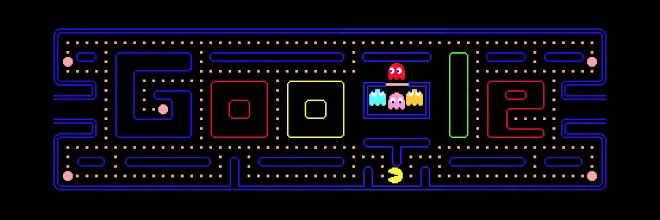
In May 2010, Google delighted millions of users worldwide by transforming its homepage into an interactive tribute to the classic arcade game Pac-Man. This playful homage represented not only a celebration of the game’s 30th anniversary but also highlighted the increasing role of nostalgia in digital culture. The incorporation of such iconic games into a major tech platform emphasizes how these classic experiences are still cherished today, bridging generational gaps and promoting engagement through playful interaction.
The Game Mechanics
The Google version of Pac-Man allowed players to enjoy the original 1980 arcade game directly on the search engine’s homepage. Users could navigate the maze, gobbling up dots while avoiding colorful ghosts, just like in the arcade version. Additionally, the game was fully playable on mobile devices, showcasing Google’s commitment to user experience across platforms. During its initial launch, the game recorded over a million plays in just a couple of hours and has since been played by millions more, solidifying its place in digital entertainment history.
The Cultural Significance
Pac-Man, originally created by Toru Iwatani, was revolutionary for its time. Unlike other games that focused on violence or competition, Pac-Man presented a puzzle-like challenge filled with charm. The Google Doodle version underscores the game’s ongoing cultural relevance, appealing to adults who grew up playing it while introducing its fun mechanics to new, younger audiences. This blending of old and new helps perpetuate gaming history and cultural literacy in an increasingly digital world.
Current Relevance and Future Implications
As web-based games continue to evolve, the Google Doodle version of Pac-Man stands as a testament to how classic games can be revived for modern audiences. Future iterations may involve enhanced graphics or augmented reality experiences, appealing to the tech-savvy population. Additionally, as nostalgia marketing grows, we may see similar retro games brought to life on popular platforms as brands and companies explore ways to connect with consumers.
Conclusion
In summary, Pac-Man Google is more than just a fun diversion; it’s a celebration of the game’s legacy and its impact on gaming culture. As technology continues to advance, the intersection of classic gaming and modern platforms suggests that nostalgia will play an essential role in shaping the future of digital experiences. For both gamers and casual users alike, Pac-Man Google is a delightful reminder that sometimes, the simplest games hold the most timeless charm.