Introduction
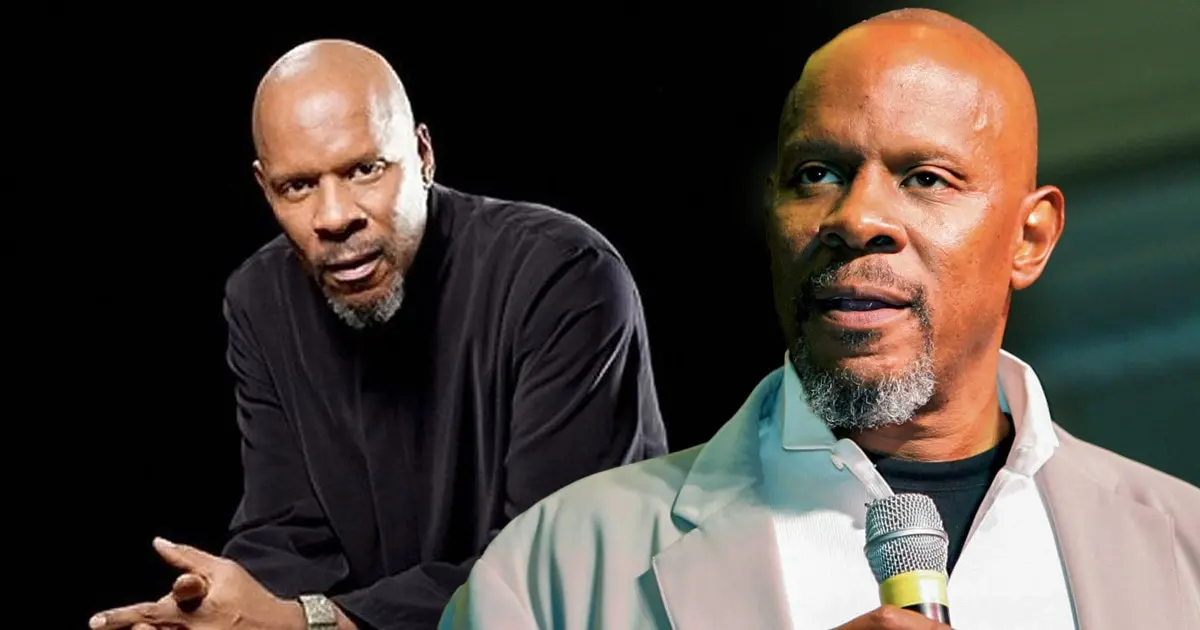
Avery Brooks is a prominent figure in the world of entertainment, renowned for his diverse talents as an actor, director, and educator. With a career spanning several decades, he has made significant contributions to film, television, and theater, becoming a role model for aspiring artists and actors. As news of his recent endeavors circulates, understanding his journey and impact becomes increasingly relevant in today’s cultural landscape.
Early Life and Education
Avery Franklin Brooks was born on October 2, 1948, in Evansville, Indiana. He attended the University of Illinois, where he earned his bachelor’s degree in theater arts. He later pursued a master’s degree in voice and acting from the Rutgers University Mason Gross School of the Arts. His educational background laid the groundwork for a successful career in the performing arts.
Acting Career Highlight
Brooks is perhaps best known for his role as Captain Benjamin Sisko in the popular television series “Star Trek: Deep Space Nine,” which aired from 1993 to 1999. His portrayal of the first Black captain in the Star Trek franchise garnered critical acclaim and earned him a dedicated fanbase. Beyond Star Trek, Brooks has showcased his versatile talent through various roles in films like “American History X” and theater productions such as “Othello” and “Purlie.”
Directing and Educating
In addition to acting, Brooks has made significant contributions as a director. He helmed several episodes of “Deep Space Nine” and has been involved in numerous artistic projects, emphasizing the importance of representation in the arts. A passionate educator, Brooks has also taught at various academic institutions, including Rutgers University, where he imparts his knowledge and experiences to the next generation of performers.
Recent Endeavors and Significance
As of 2023, Brooks continues to engage with the media and artistic communities. His recent appearances in interviews and discussions highlight his viewpoints on diversity in storytelling and the evolving landscape of television and film. With a growing emphasis on inclusive representation, Brooks remains a formidable voice in advocating for more equitable opportunities in the arts.
Conclusion
Avery Brooks’s career is a testament to the power of artistic expression and the impact of diverse narratives. His journey from a young theater enthusiast to a renowned actor and educator serves as an inspiration. As the industry continues to evolve, Brooks’s contributions and perspectives will undoubtedly play a crucial role in shaping the future of entertainment. The importance of representation in media cannot be overstated, and figures like Avery Brooks are essential to this vital dialogue.