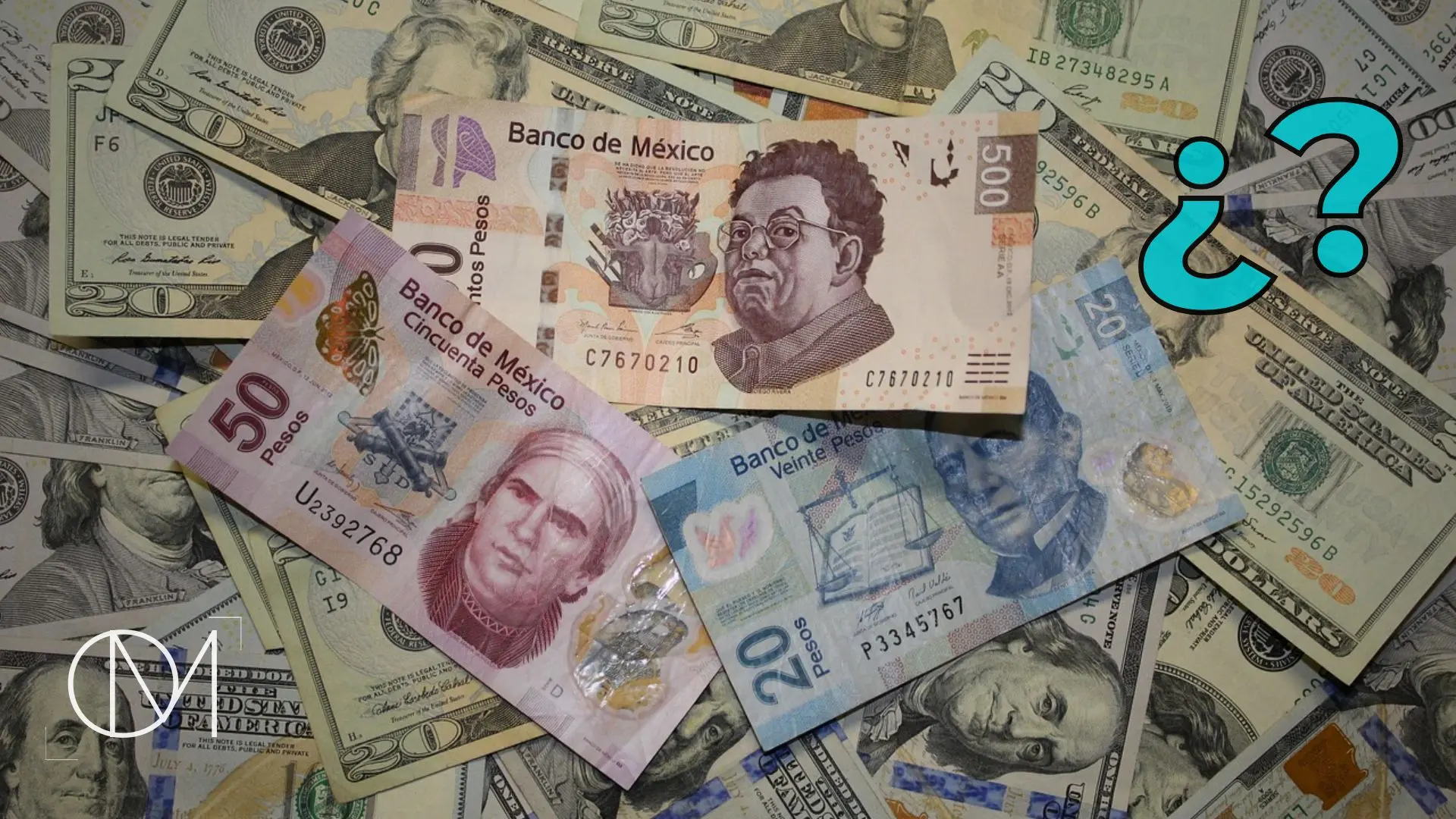
Introduction to Cross-Border Trade
Cross-border trade refers to the exchange of goods and services between individuals or businesses in different countries. In an increasingly globalized world, cross-border trade plays a crucial role in the economic stability and growth of nations. This topic has gained heightened relevance in recent years as countries navigate the complexities of trade agreements, tariffs, and international regulations.
Recent Developments in Cross-Border Trade
As of late 2023, the dynamics of cross-border trade continue to be influenced by various factors, including technology advancements, geopolitical tensions, and changes in consumer behavior. The COVID-19 pandemic accelerated the shift towards e-commerce, with businesses adapting to online sales and cross-border transactions, significantly increasing in digital marketplace activity.
According to data from the World Trade Organization (WTO), global merchandise trade is projected to increase by 3.5% in 2023, demonstrating a steady recovery from pandemic-induced downturns. Key regions, including North America and Asia, have benefited significantly from cross-border e-commerce, with estimates suggesting that cross-border e-retail sales will surpass $1 trillion globally.
Challenges Faced in Cross-Border Transactions
Despite the opportunities, cross-border trade is not without its challenges. Businesses face regulatory hurdles, varying tariffs, and currency exchange fluctuations that can complicate the trade process. In addition, the recent rise in protectionist policies in several countries threatens to disrupt the free flow of goods. The trade tensions between the United States and China, for example, have led to increased tariffs and scrutiny on imports, prompting businesses to reassess their supply chains and trade practices.
The Future of Cross-Border Trade
Looking ahead, the future of cross-border trade appears promising, given the ongoing digital transformation and the establishment of new trade agreements. Initiatives such as the Regional Comprehensive Economic Partnership (RCEP) represent a significant effort to streamline trade among member countries and reduce barriers to entry. Furthermore, advancements in technology like blockchain and artificial intelligence are expected to facilitate smoother transaction processes and enhance supply chain transparency.
Conclusion
In conclusion, cross-border trade is a vital component of the global economy, characterized by both opportunity and challenge. As businesses and countries work to navigate this complex landscape, adapting to regulatory changes and leveraging technology will be crucial for future success. For consumers, the growing accessibility of global products offers more choices and competitive prices, ultimately benefiting the market as a whole.