Introduction
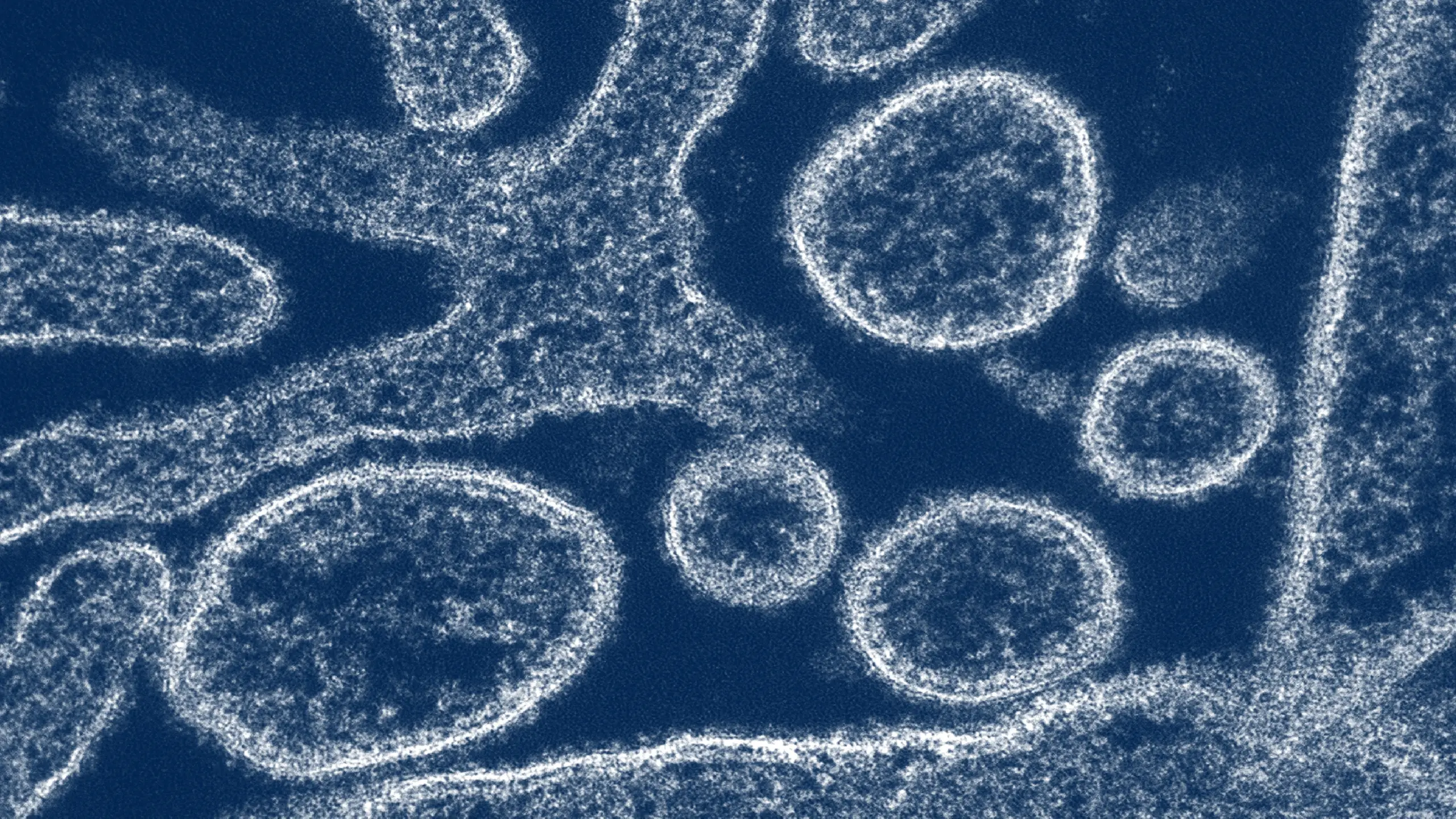
The Nipah virus (NiV) outbreak has recently resurfaced, raising alarms among health organizations globally. Identified for the first time in 1998 during an outbreak in Malaysia, NiV has since been linked to severe respiratory illness and encephalitis, with a high fatality rate. Its transmission from animals to humans has positioned it as a significant public health threat, leading to urgent research and monitoring efforts.
Current Outbreaks and Data
As of late 2023, several cases of Nipah virus infections have been reported in India and Bangladesh, prompting local health authorities to enforce stringent measures to control its spread. According to the World Health Organization (WHO), the fatality rate for Nipah virus infections can exceed 75%, making it one of the deadliest zoonotic diseases. In India, the recent outbreak has resulted in multiple confirmed cases and serious health advisories have been issued regarding animal contact, which is a primary transmission vector.
Studies indicate that fruit bats are the natural hosts of the Nipah virus, with outbreaks occurring when the virus spills over into domestic animals or humans. Symptoms typically include fever, headache, dizziness, and respiratory symptoms, which can quickly escalate to more severe neurological issues. The alarming rate of transmission has spurred governments and health organizations to ramp up surveillance and awareness campaigns aimed at mitigating the risks associated with the virus.
Preventive Measures and Public Awareness
Preventive strategies are critical in curbing the spread of the Nipah virus. Health officials recommend avoiding contact with potentially infected animals, especially fruit bats and pigs, and implementing strict biosecurity measures in high-risk areas. Public education efforts have been intensified to inform communities about the symptoms of the virus, emphasizing the importance of seeking medical help in case of illness after contact with sick animals.
Conclusion
The resurgence of the Nipah virus underscores the need for ongoing vigilance and swift action from public health authorities worldwide. As climate change and urbanization continue to alter ecosystems, the risk of zoonotic diseases like Nipah may increase, necessitating collaborative research and preventive strategies. The global health community must remain alert to manage the risks and protect public health effectively. Continued investment in surveillance, research, and health education will be crucial in mitigating future outbreaks.