Introduction
The Nipah virus, a zoonotic pathogen transmitted from animals to humans, continues to be a significant public health concern in India. As of 2026, the virus has raised alarms, especially in states where outbreaks were previously reported. Understanding the implications of Nipah virus transmission, its symptoms, and preventive measures is vital as the country navigates ongoing health challenges.
Current Status and Recent Outbreaks
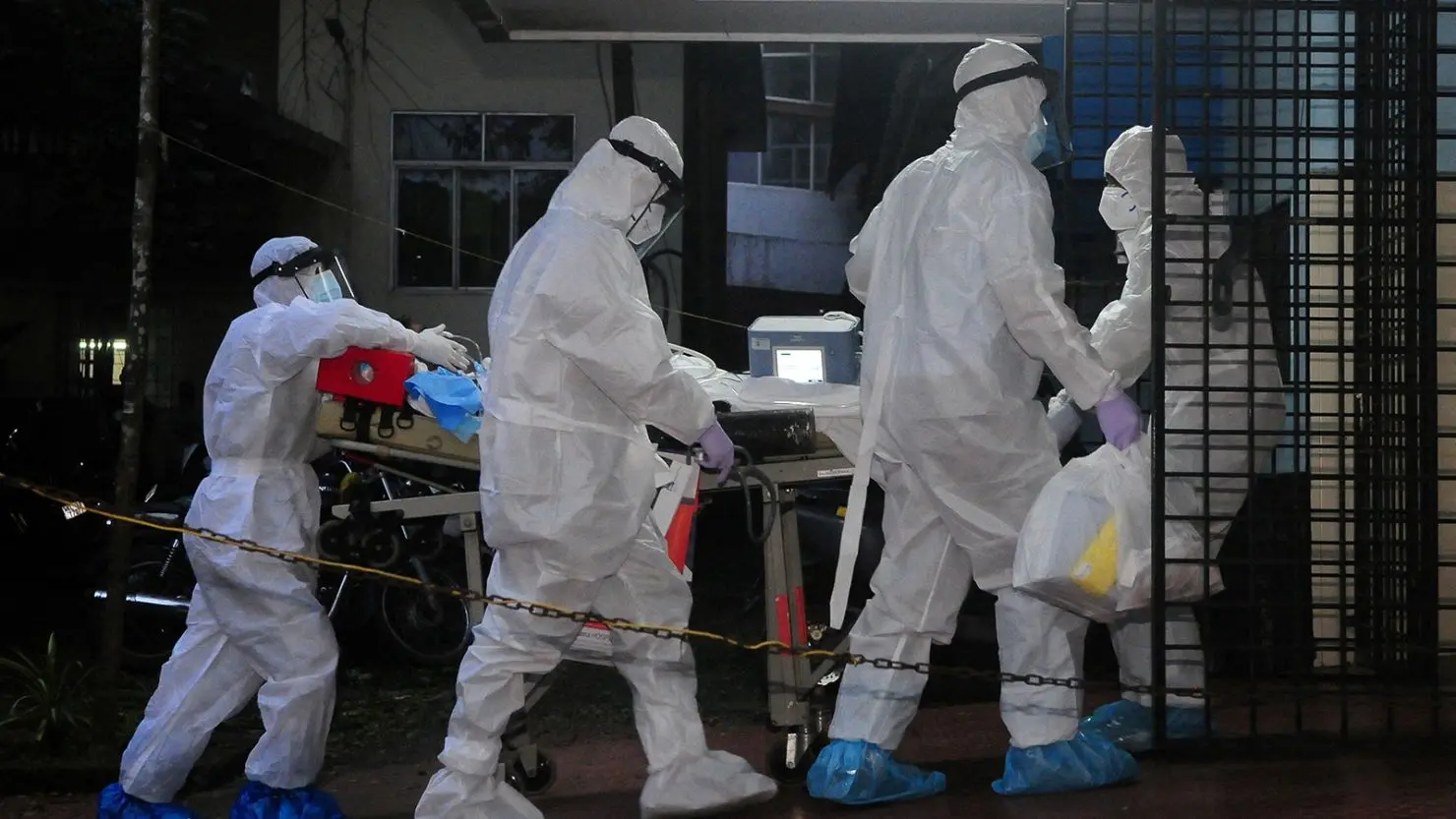
In 2026, India has witnessed a resurgence of Nipah virus cases, particularly in Kerala, where the virus was first identified in 1998. The latest outbreak, reported in January 2026, resulted in several infections with fatalities, prompting immediate public health responses. Health authorities have been actively engaged in contact tracing and surveillance to contain the spread. The situation is complicated by the fact that Nipah virus can be transmitted through bats, which are common across many Indian states.
Symptom Awareness and Diagnosis
Symptoms of Nipah virus infection can range from mild to severe, including fever, headache, dizziness, and respiratory issues, which can lead to encephalitis. Recognizing these symptoms is crucial for early diagnosis and treatment. Healthcare professionals have been urged to maintain a high index of suspicion, especially in regions with known outbreaks or where bats are prevalent.
Government Response and Precautions
The Indian government, in collaboration with WHO and local health departments, has implemented several precautionary measures. Public awareness campaigns are being conducted to educate citizens about the virus, its transmission methods, and preventive strategies. Furthermore, stringent monitoring of bat populations and the culling of potentially infected animals have been initiated in affected areas to mitigate risks.
Conclusion: Future Projections
As of 2026, the Nipah virus in India remains a challenging public health issue, with ongoing risk factors rooted in zoonotic transmission. Forecasts indicate that continued vigilance will be essential to prevent further outbreaks. The government’s commitment to public health education and rapid response mechanisms will play a critical role in controlling the virus spread. For readers, staying informed and proactive about health measures is key to combating the Nipah virus threat in the coming years.