Introduction
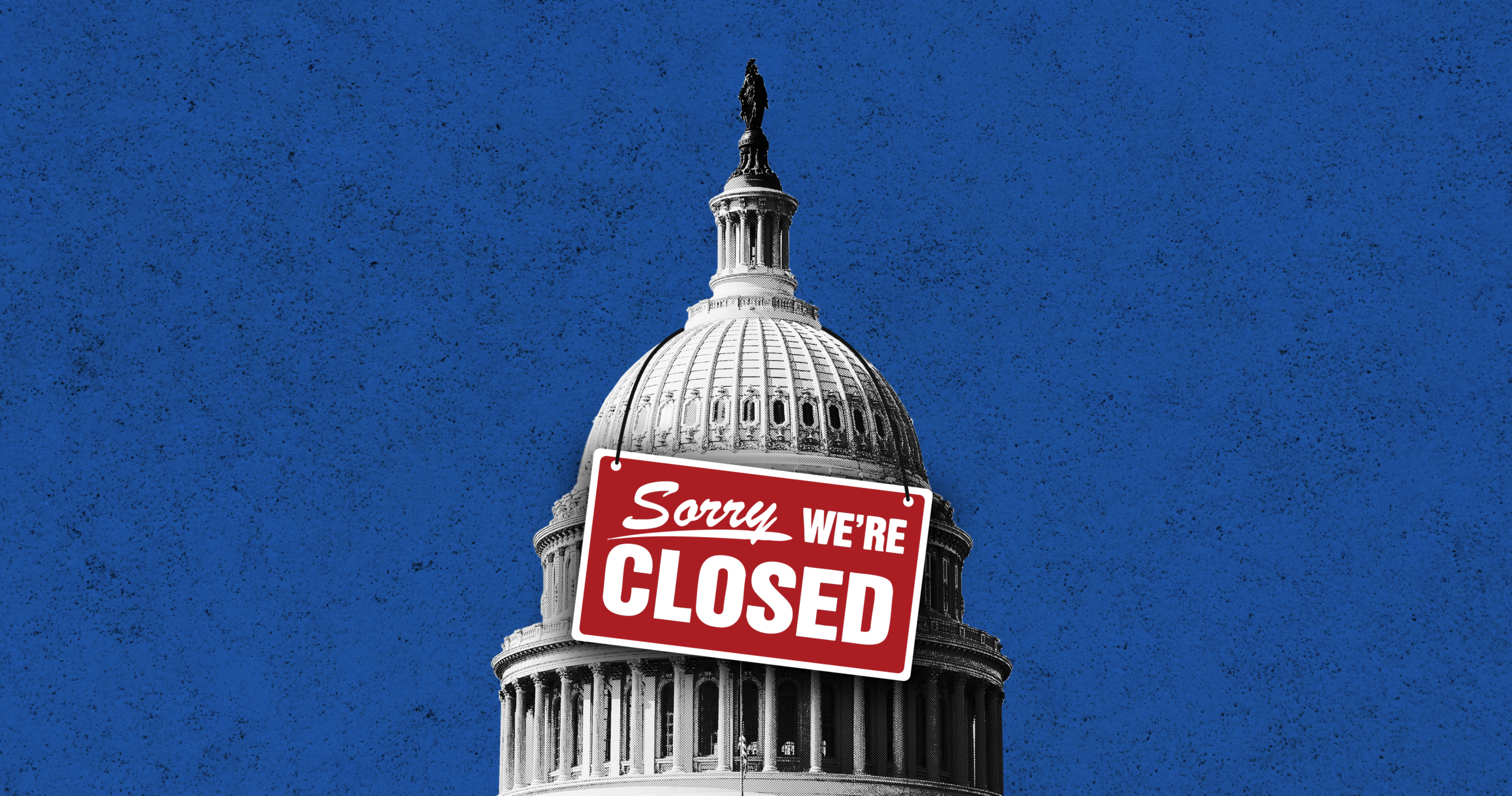
The ongoing shutdown of the Department of Homeland Security (DHS) has raised significant concerns among citizens and lawmakers alike. As the department plays a critical role in protecting the nation against threats, any disruption in its operations can lead to severe implications for national security and public services. With the current political climate being polarized, understanding the effects of the DHS shutdown is vital for both residents and businesses.
What Led to the DHS Shutdown?
The DHS shutdown stems from a failure to reach an agreement on funding in Congress. As budget negotiations stalled, the department was forced to halt various non-essential operations. Key points of contention included debates over immigration policy, border security funding, and the allocation of resources for disaster response initiatives. Lawmakers have struggled to find common ground, resulting in delays and uncertainty regarding the budget status of the DHS.
Current Operations Affected by the Shutdown
The shutdown has led to a series of operational impacts. Essential services, such as airport security provided by the Transportation Security Administration (TSA), remain largely unaffected; however, many programs within the Federal Emergency Management Agency (FEMA) and the Cybersecurity and Infrastructure Security Agency (CISA) have faced cutbacks. Employees of these agencies have been furloughed or required to work without pay, leading to decreased morale and productivity.
Consequences of the DHS Shutdown
The ramifications of the DHS shutdown are extensive. Security agencies tasked with monitoring cyber threats and assessing physical security vulnerabilities are operating at reduced capacity. This increases the risk of potential security breaches and could leave critical infrastructure exposed. Additionally, during instances of natural disasters, the response capabilities of FEMA might be hindered, posing a risk to communities in need of urgent aid and support.
Looking Forward: Implications for the Future
As the shutdown continues, the prospects for resolution remain uncertain. Lawmakers are under pressure to finalize a budget agreement soon, especially with critical issues on the agenda, including national security and disaster readiness. The potential for future shutdowns raises additional concerns for federal workers and the public at large, emphasizing the need for continuous dialogue between the parties involved.
Conclusion
The DHS shutdown is more than just a political issue; it directly affects the safety and security of the United States. The impact of reduced operations during this period is felt across various sectors, from cybersecurity to disaster response. For Americans, the situation underscores the importance of congressional action and collaboration in maintaining uninterrupted operations of critical government agencies. As citizens, staying informed and vocal about these issues can play a role in shaping future outcomes and ensuring that national security priorities are addressed.