Introduction
The prospect of a federal government shutdown is a pressing issue that can have significant impacts on millions of Americans. As discussions surrounding budget negotiations and funding continue, the likelihood of a shutdown in 2026 looms large. Understanding the possible causes and effects of such an event is crucial for citizens looking to navigate these uncertain waters.
What is a Federal Government Shutdown?
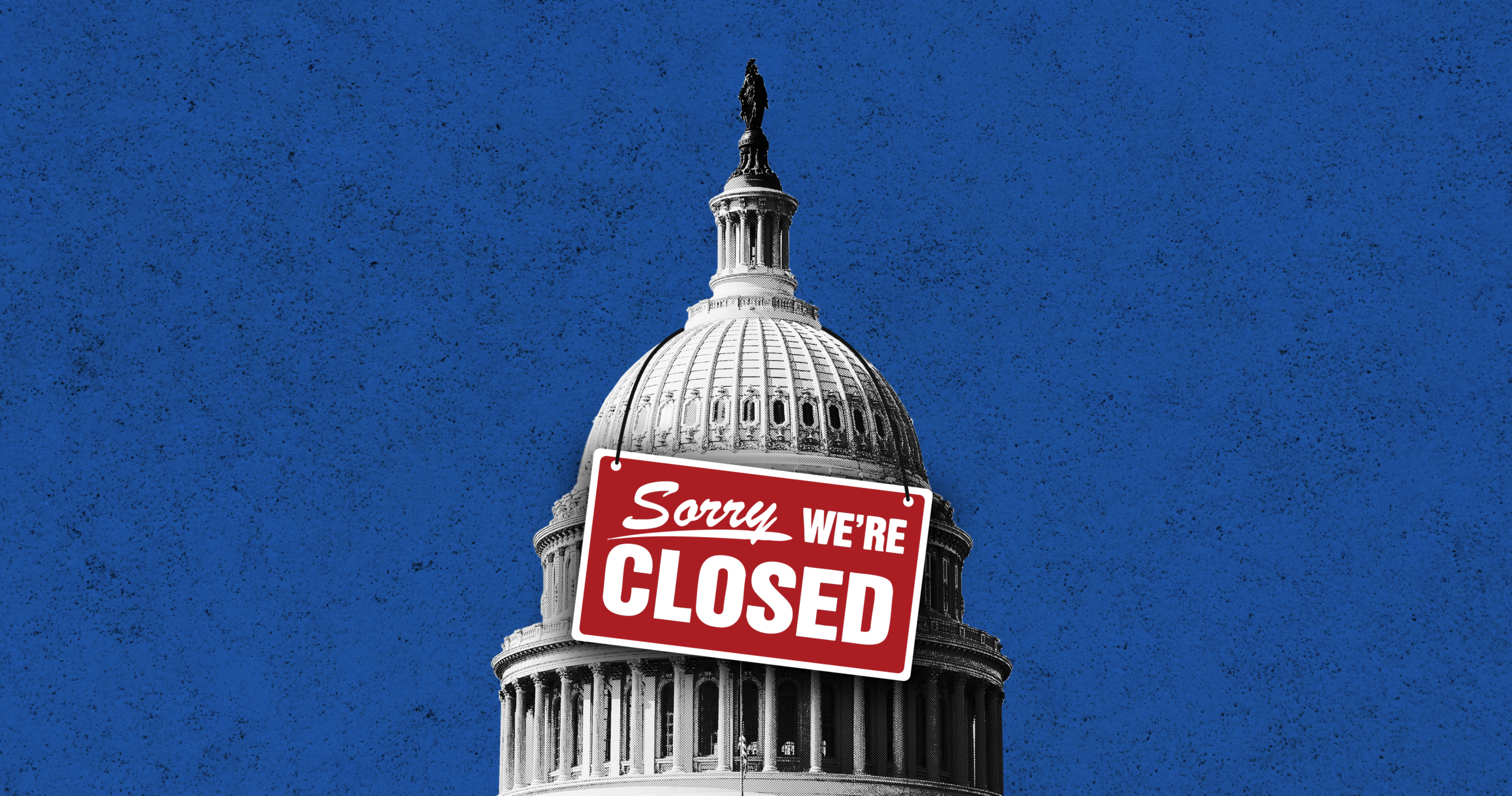
A federal government shutdown occurs when Congress fails to pass sufficient appropriation bills or continuing resolutions to fund government operations. The last shutdown led to numerous federal agencies closing their doors, resulting in a suspension of services, widespread furloughs of federal employees, and disruptions in programs critical to the public.
Current Context for 2026
As of 2023, the federal government is dealing with increasing debt levels, partisan divisions over spending priorities, and a push for various reforms. With the next federal budget deadline looming, particularly the end of the fiscal year in September, lawmakers will once again be faced with the challenge of approving a budget that satisfies conflicting interests. The divide between current fiscal conservatism and ongoing demand for social programs makes the potential for a budget stalemate more likely.
Recent Trends and Events
Historically, government shutdowns are often viewed through a partisan lens. Recent events, such as the shutdowns in 2018-2019 and 2021, provide a template for the catastrophic effects a shutdown can have on government employees and services. Moreover, with the presidential elections approaching in 2024, the resultant political maneuvers could further complicate budget negotiations, paving the way for potential governmental deadlock.
Implications of a Shutdown
If a government shutdown were to occur in 2026, the implications could be far-reaching. Government employees would face furloughs, critical services could be delayed or halted, and the economy could suffer, particularly in sectors reliant on government contracts and funding. Furthermore, potential impacts on supply chains and public health initiatives could wreak havoc, leading to a call for more comprehensive solutions at the legislative level.
Conclusion
As we approach 2026 and the specter of a federal government shutdown looms closer, it is critical for citizens to remain informed about the potential ramifications. Understanding how budget negotiations unfold and how political dynamics influence these discussions will empower Americans to prepare for the future. While predictions remain uncertain, the significance of effective government functioning can’t be overstated, as public welfare and the economy rely heavily on uninterrupted government services.