Introduction
Puerto Rican food is a vibrant tapestry woven from the island’s multicultural roots, blending Taíno, Spanish, African, and American influences. As Puerto Rico continues to gain popularity as a travel destination, its traditional dishes attract not only locals but also food enthusiasts worldwide. Understanding Puerto Rican food is essential for appreciating the island’s culture and heritage.
Key Dishes and Ingredients
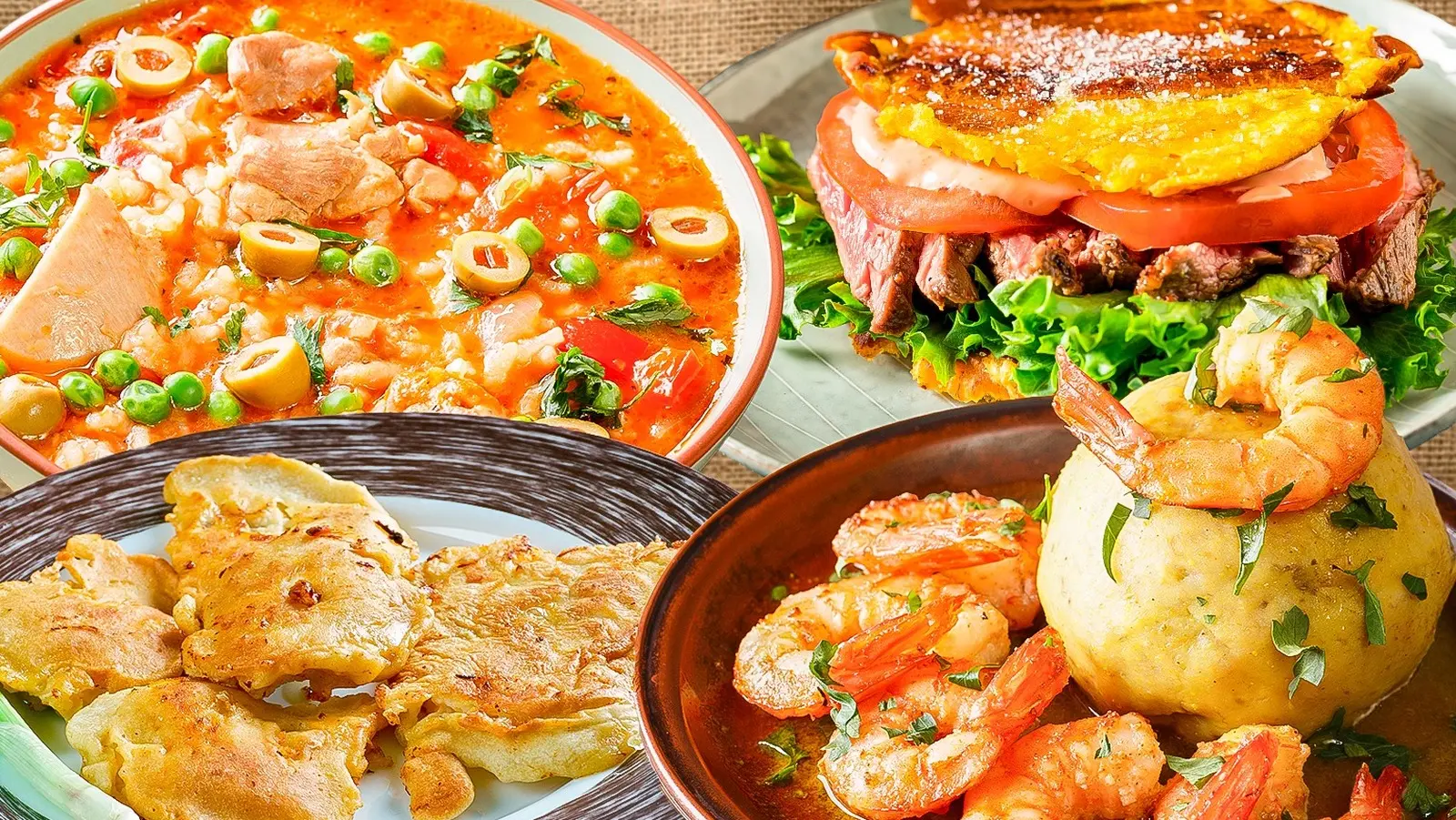
Puerto Rican cuisine is characterized by its use of fresh, local ingredients and bold flavors. Some of the most iconic dishes include:
- Arroz con Gandules: This is a staple dish made with rice and pigeon peas, flavored with sofrito (a blend of herbs and spices) and often accompanied by pork.
- Pernil: A slow-roasted marinated pork shoulder, known for its crispy skin and savory taste.
- Mofongo: A dish made from fried plantains, mashed with garlic and olive oil, usually served with a meat or seafood topping.
- Tostones: Twice-fried green plantains that serve as a crunchy side or snack.
These dishes showcase the island’s rich agricultural products like plantains, yucca, and various tropical fruits. The use of spices such as garlic, cumin, and oregano contributes to the distinctive flavors found in Puerto Rican cuisine.
Recent Trends and Global Influence
In recent years, Puerto Rican food has gained prominence beyond the island’s shores. Chefs and food enthusiasts have adapted traditional recipes to incorporate global influences while keeping the authenticity of the cuisine intact. Food festivals celebrating Puerto Rican culture, such as the annual Puerto Rican Festival in Chicago, have helped to shine a spotlight on these beloved dishes.
Social media has also played a significant role in promoting Puerto Rican food. Many food bloggers and influencers showcase their culinary creations, inspiring a new generation of chefs to explore these traditional flavors.
Conclusion
The significance of Puerto Rican food extends far beyond its delicious taste. It reflects the island’s history, diverse cultural influences, and communal values. As the world embraces ethnic cuisines, Puerto Rican food is poised to take center stage, inviting people to explore its rich heritage. Whether enjoyed in homes, on the streets, or in fine dining establishments, Puerto Rican dishes are not just meals; they are stories served on a plate.