Introduction
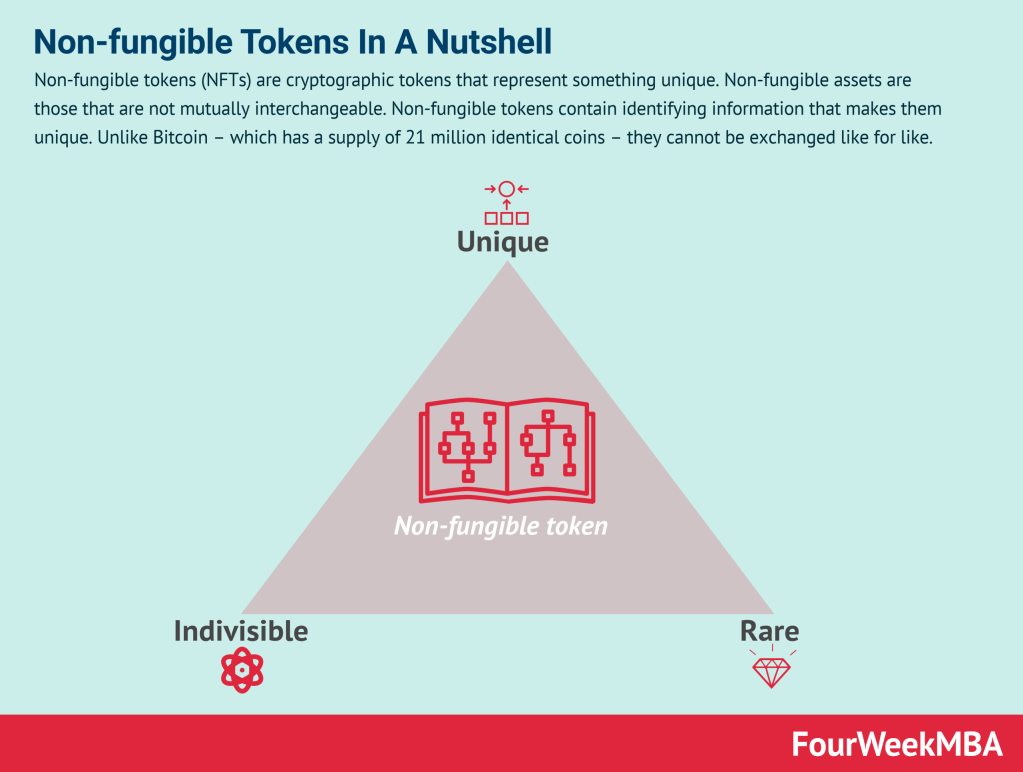
Non-fungible tokens (NFTs) have emerged as a revolutionary component of the digital economy, providing unique identifiers for digital assets on blockchain technology. Unlike cryptocurrencies such as Bitcoin or Ethereum, which are fungible and interchangeable, NFTs represent ownership of a specific item or piece of content. The importance of NFTs has surged due to their ability to authenticate and monetize digital art, music, gaming items, and more, leading to their widespread adoption among creators and collectors alike.
Current Trends in the NFT Market
As of late 2023, the NFT market has demonstrated resilience and adaptability despite fluctuations in the cryptocurrency market. Major brands, including Nike and Coca-Cola, have entered the NFT space, creating exclusive digital products that engage consumers and enhance brand loyalty. High-profile NFT sales, such as digital artwork by Beeple selling for $69 million at auction, have captivated the mainstream media, driving interest and investment into this innovative sector.
Use Cases and Applications
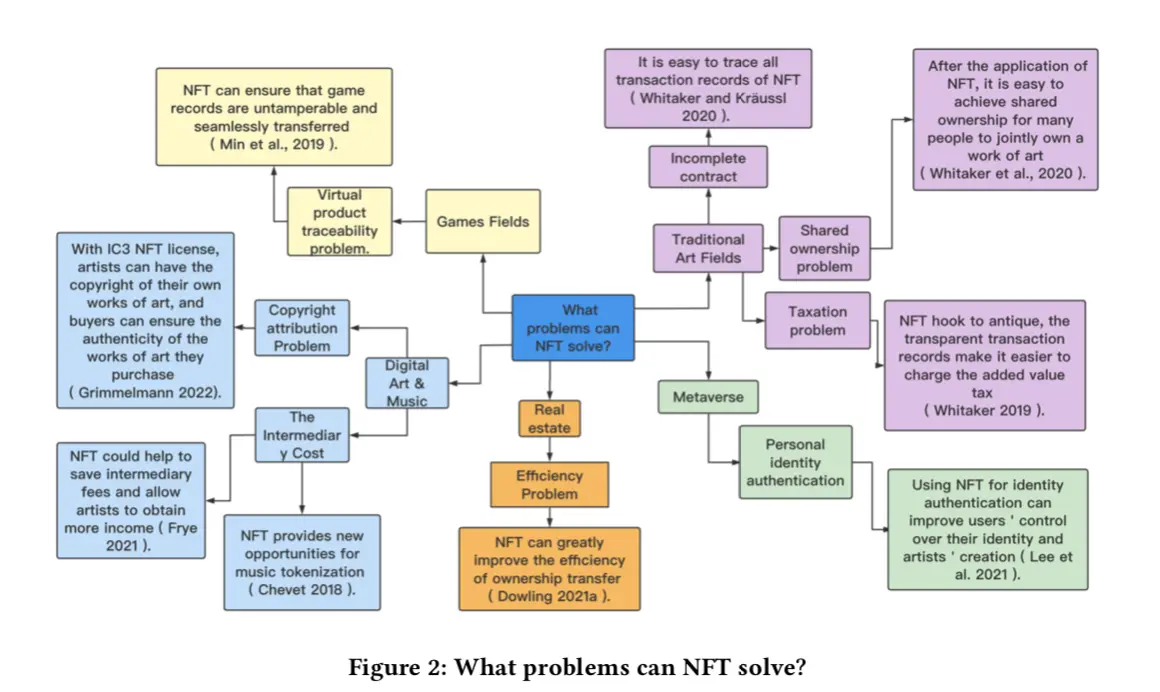
The applications of NFTs extend beyond digital art and collectibles. In gaming, NFTs facilitate ownership of in-game assets, allowing players to buy, sell, and trade their virtual items. Real estate platforms are exploring NFTs to represent property ownership digitally, streamlining transactions and providing transparency. Furthermore, the unique attributes of NFTs lend themselves well to intellectual property rights management, offering creators greater control over their digital content and the potential for ongoing royalties from subsequent sales.
Challenges and Criticisms
Despite their rapid growth, the NFT market faces several challenges. Environmental concerns associated with the energy consumption of blockchain technologies have prompted calls for more sustainable practices in NFT creation and transaction. Additionally, the market is rife with speculation, leading to price volatility and concerns about the potential for scams and market manipulation. Regulatory scrutiny is also increasing as governments seek to establish a framework for digital assets.
Conclusion
Non-fungible tokens are reshaping the landscape of digital ownership and have become a significant element in the evolving digital economy. Their ability to verify authenticity and ownership has opened up new avenues for creators and consumers alike. As the market continues to mature, understanding the implications of NFTs will be crucial for stakeholders in the digital space. With responsible practices and innovations in sustainability, NFTs may sustain their relevance and thrive in the years to come.