Introduction to Non-Fungible Tokens
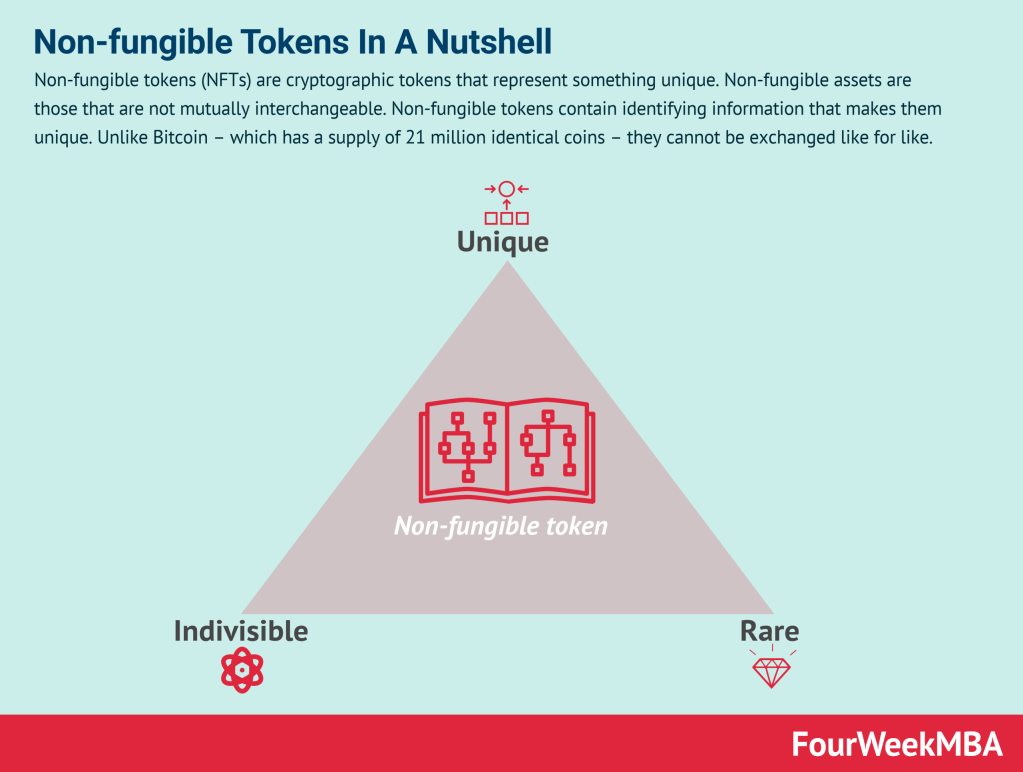
Non-fungible tokens (NFTs) have transformed the landscape of digital ownership, capturing the attention of artists, collectors, and investors alike. Unlike cryptocurrencies such as Bitcoin or Ethereum, which are fungible and can be exchanged for one another, NFTs represent unique digital assets or items, making them irreplaceable. This uniqueness has propelled NFTs into the spotlight, particularly within markets for digital art, music, gaming, and virtual real estate.
Recent Developments in the NFT Market
As of late 2023, the NFT market has shown significant growth despite earlier volatility. According to a report by NonFungible.com, the total market capitalization of NFTs exceeded $30 billion, indicating a growing acceptance among mainstream audiences. Major brands and celebrities, including Nike and Snoop Dogg, have jumped on the NFT bandwagon, creating exclusive digital merchandise and experiences. Additionally, platforms like OpenSea and Rarible continue to innovate, allowing users to mint and trade NFTs with increasing ease.
Technological Innovations and Regulations
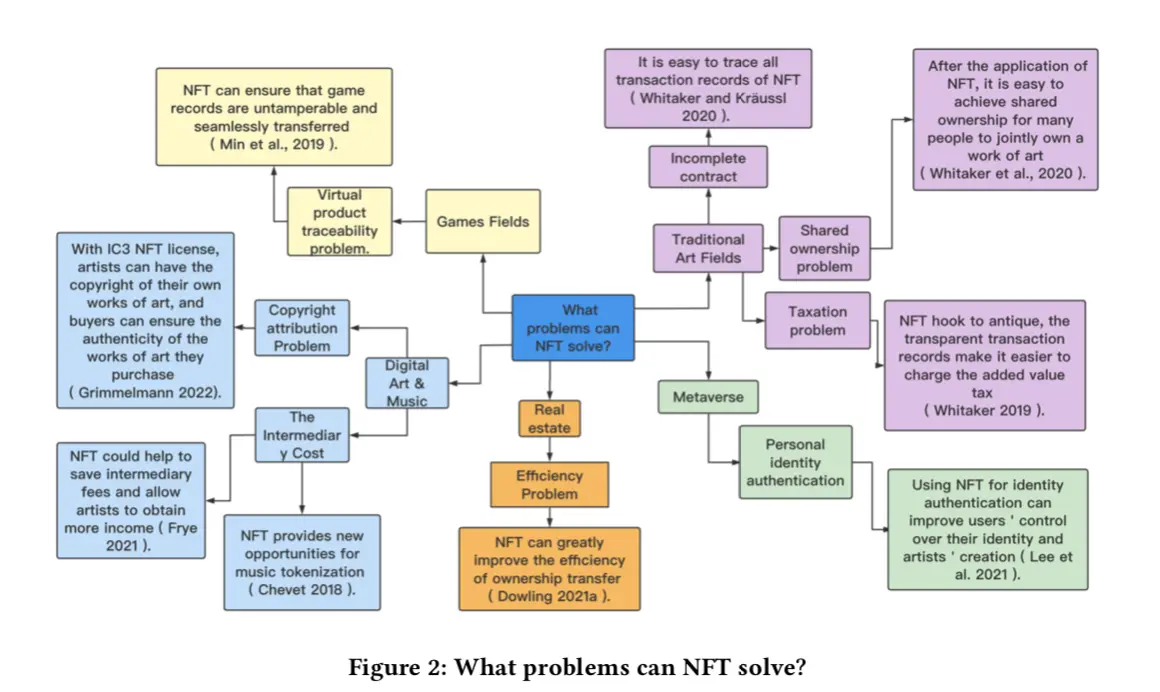
The underlying blockchain technology that supports NFTs has also seen advancements. Ethereum remains the primary platform for most NFTs, but emerging blockchains like Solana and Flow are gaining traction due to their lower fees and faster transaction times. Furthermore, regulatory bodies are beginning to develop frameworks to address copyright issues and tax implications related to NFTs, which could shape the future of this burgeoning market.
Impact on Artists and Creators
NFTs have significantly empowered artists and creators by providing them with new revenue streams. Through smart contracts, artists can earn royalties each time their work is resold, creating lasting income from their creations. This new era of democratized art has opened doors for independent artists to gain recognition and financial stability that were previously hard to achieve in the traditional art world.
Conclusion and Future Outlook
As non-fungible tokens continue to evolve, their impact on the digital economy is undeniable. With increasing adoption from various sectors and advancements in technology, the future of NFTs appears promising. However, potential investors and creators must remain aware of market volatility and legal implications that could arise. As the digital landscape reshapes how we view ownership and authenticity, NFTs are poised to play a crucial role in defining the next era of creativity and commerce.