Introduction
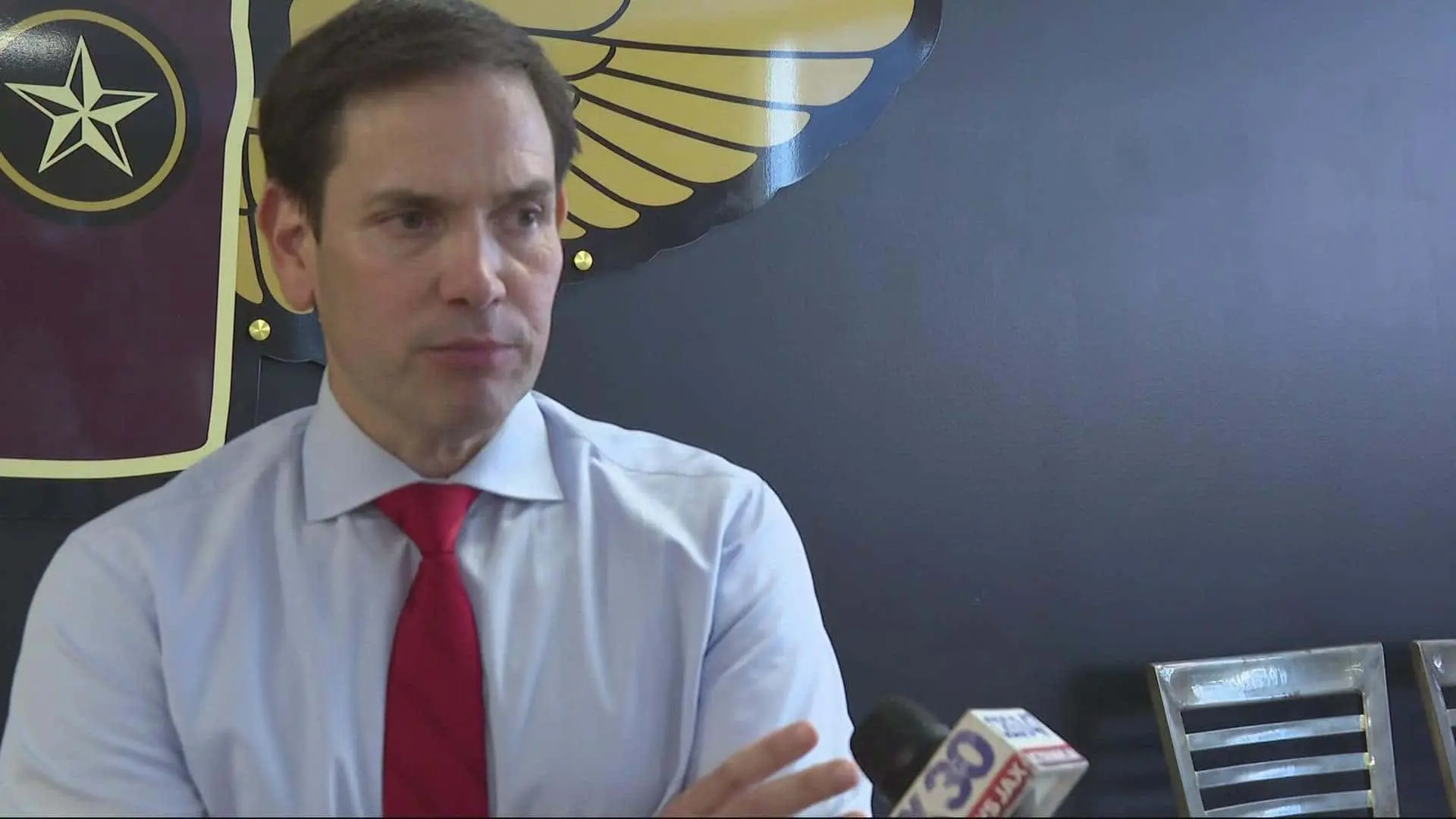
Marco Rubio, the U.S. Senator from Florida, remains a significant figure in American politics, especially as the nation navigates complex challenges in the post-pandemic era. His role in the Senate, particularly as the ranking member of the Senate Foreign Relations Committee, highlights his influence on both domestic and international policies. Understanding his current initiatives and political stance is essential for discerning the evolving landscape of American governance.
Current Initiatives
Recently, Senator Rubio has been vocal regarding key issues affecting both Florida and the nation. One of his prominent focuses has been on national security, reflecting increasing concerns about global threats posed by adversarial nations. In September 2023, Rubio introduced a bill aimed at enhancing cybersecurity measures, specifically targeting vulnerabilities in critical infrastructure. This initiative is a direct response to rising cyber threats observed in recent years and underscores his commitment to safeguarding American interests.
Additionally, Marco Rubio has been active on economic matters, advocating for policies that support middle-class families. His recent proposals include tax reforms intended to alleviate financial burdens on low- and middle-income earners. He also initiated discussions around affordable housing, responding to the growing crisis impacting Florida’s residents and beyond. Through community forums and town halls, he has sought direct feedback from constituents, demonstrating an approach that prioritizes their concerns.
Challenges and Criticisms
Despite his active legislative role, Rubio faces challenges both from within his party and the opposition. Criticism has emerged regarding his alignment with party leadership on certain issues, leading to debates about party unity in upcoming elections. His position on immigration, a contentious topic in Florida, continues to draw scrutiny, reflecting the complex dynamics of voter sentiment in a highly diverse state.
Conclusion
As we approach the 2024 election cycle, the actions and policies championed by Marco Rubio will be closely monitored by both supporters and critics alike. His influence as a prominent Republican voice on critical issues informs much of the current political discourse. For voters and analysts, Rubio’s ability to navigate challenges and maintain relevancy amid shifts in public opinion will be crucial in determining his future impact in the Senate and potential aspirations beyond it. As citizens engage with these developments, understanding how figures like Rubio shape legislative agendas will remain essential to participating in the democratic process.