Introduction
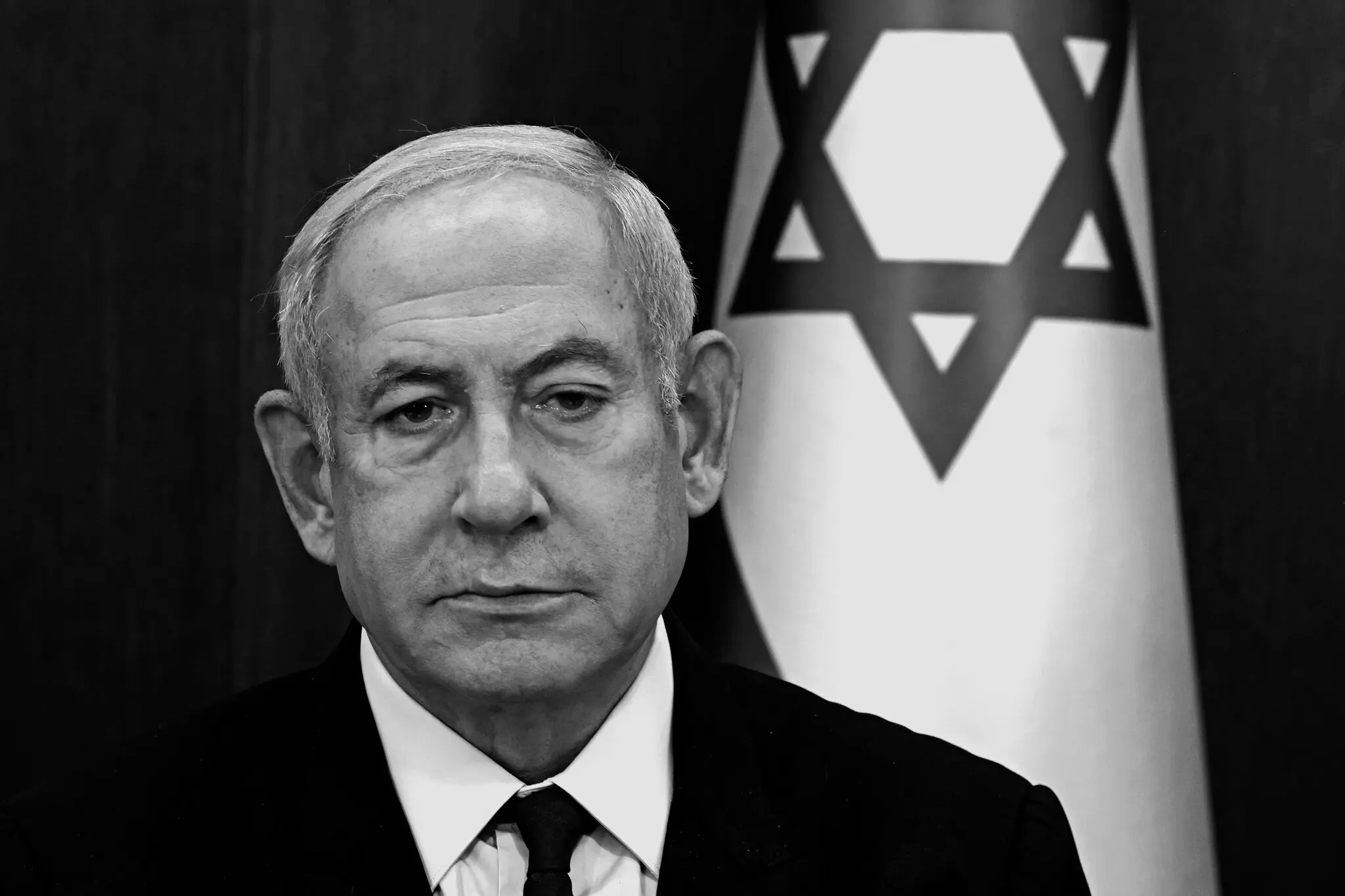
Benjamin Netanyahu, a prominent figure in Israeli politics, has been in the spotlight since he first became Prime Minister in 1996. His policies and leadership style have significantly influenced Israel’s domestic and foreign affairs. Understanding his role is crucial as Israel faces ongoing challenges, including security concerns, economic issues, and political polarization.
Netanyahu’s Recent Political Moves
In the past year, Netanyahu has navigated a complex political landscape marked by escalating tensions with Palestinian groups and significant international pressure. His government has advanced controversial judicial reforms, sparking nationwide protests. These reforms are aimed at reducing the powers of the judiciary, which many critics argue undermines democracy in Israel. Despite widespread dissent, Netanyahu remains resolute, asserting that the changes are necessary for restoring balance between branches of government.
International Relations and Security Issues
Under Netanyahu’s leadership, Israel has continued to engage with various nations to strengthen its diplomatic ties. Notably, the normalization of relations with several Arab countries under the Abraham Accords has been a significant achievement. However, tensions with Iran and ongoing conflicts in the Gaza Strip have complicated Israel’s security environment. Recent exchanges of fire between Israeli forces and militant groups underscore the fragile situation in the region.
Forecasting the Future
Looking ahead, Netanyahu’s political future seems dependent on navigating these challenges while maintaining support from his coalition partners. The upcoming elections and public sentiment will play a critical role in determining his government’s stability. Analysts predict that if Netanyahu can effectively address both domestic unrest and external threats, he may solidify his position further. However, failure to reconcile the competing interests within Israeli society could lead to political upheaval.
Conclusion
Benjamin Netanyahu’s influence on Israeli politics remains substantial. His ability to address myriad issues, from judicial reforms to international relations, will be crucial for Israel’s future. As citizens and leaders alike watch his movements closely, Netanyahu’s decisions will have far-reaching implications, not just for Israel, but for the broader Middle Eastern landscape.