Introduction to FEMA
The Federal Emergency Management Agency (FEMA) plays a crucial role in coordinating the federal government’s response to natural and man-made disasters. Established in 1979, FEMA’s importance has only grown as the frequency and severity of disasters increase due to climate change, urbanization, and other factors. This article will discuss the agency’s responsibilities, recent initiatives, and its significance for citizens.
FEMA’s Core Responsibilities
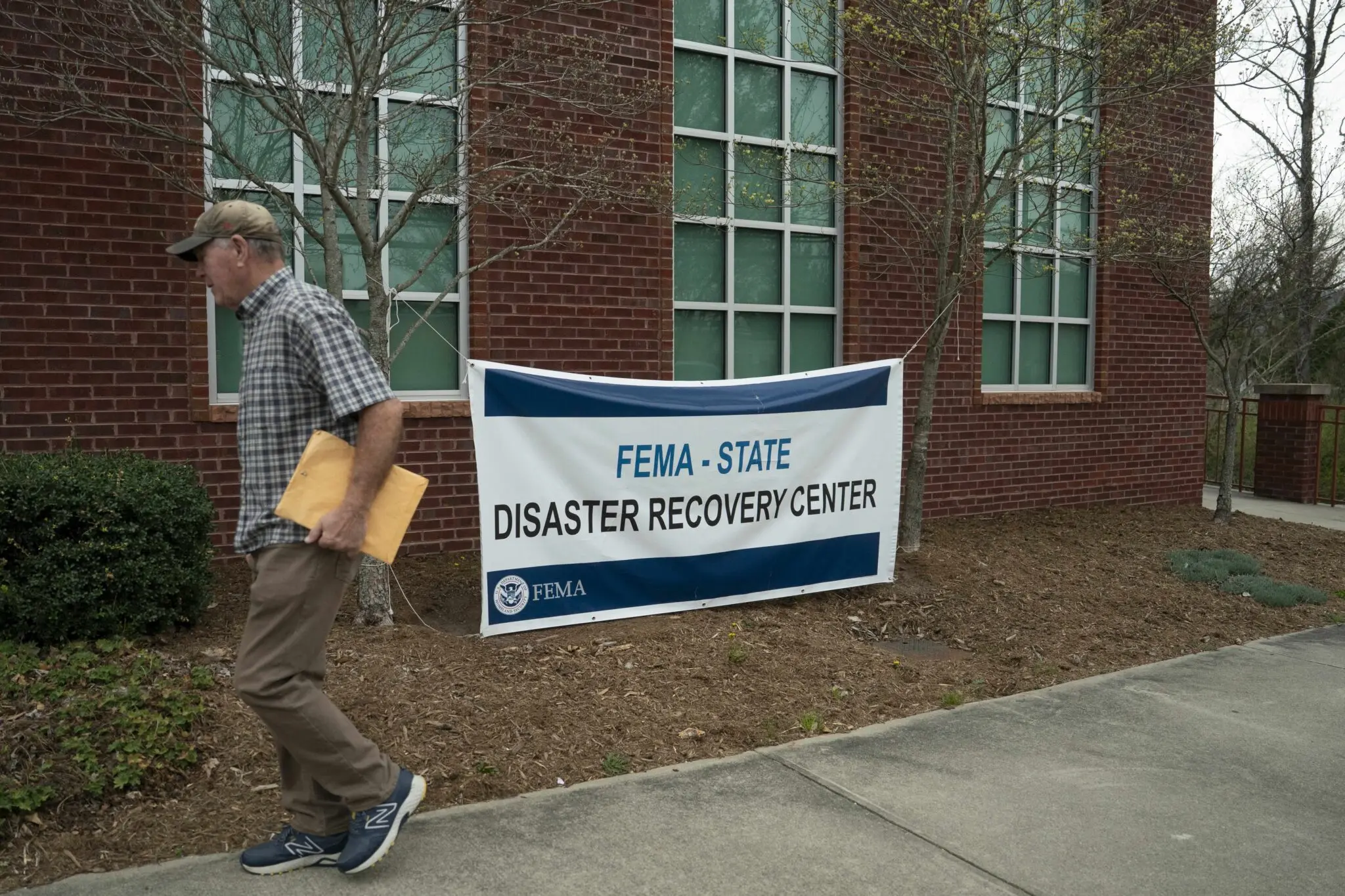
FEMA’s mission is to help people before, during, and after disasters. This includes creating disaster response plans, providing financial assistance to affected individuals, and coordinating with state and local governments to ensure effective emergency management. In recent years, FEMA has expanded its focus to include preparedness education, helping communities to better prepare for potential disasters.
Recent Initiatives by FEMA
In 2023, FEMA has launched several initiatives aimed at increasing disaster resilience among communities. One of these initiatives is the Risk Mapping and Assessment Program, which aims to identify and assess risks associated with natural hazards. Furthermore, the agency has ramped up efforts to improve public communication during emergencies, with a focus on utilizing social media platforms to distribute timely alerts.
During the year, FEMA has also mobilized resources in response to severe weather events, including hurricanes, floods, and wildfires. This summer, Hurricane Lee prompted FEMA to deploy resources quickly to affected states, providing critical support to local authorities and communities in need.
Significance for Citizens
Understanding FEMA’s role is crucial for citizens, particularly in a nation that regularly faces disasters. By being informed about FEMA’s services and the assistance available, individuals can better prepare for emergencies. Moreover, the agency’s ongoing efforts to protect and empower communities help to build resilience, thereby reducing the long-term impacts of disasters.
Conclusion
As climate change continues to affect weather patterns, the importance of FEMA will only increase. Its proactive measures in response planning, risk assessment, and public safety education play a vital role in safeguarding American communities. Looking ahead, it is essential for individuals to stay informed about FEMA’s resources and engage in preparedness efforts to help reduce the consequences of future disasters.