Introduction
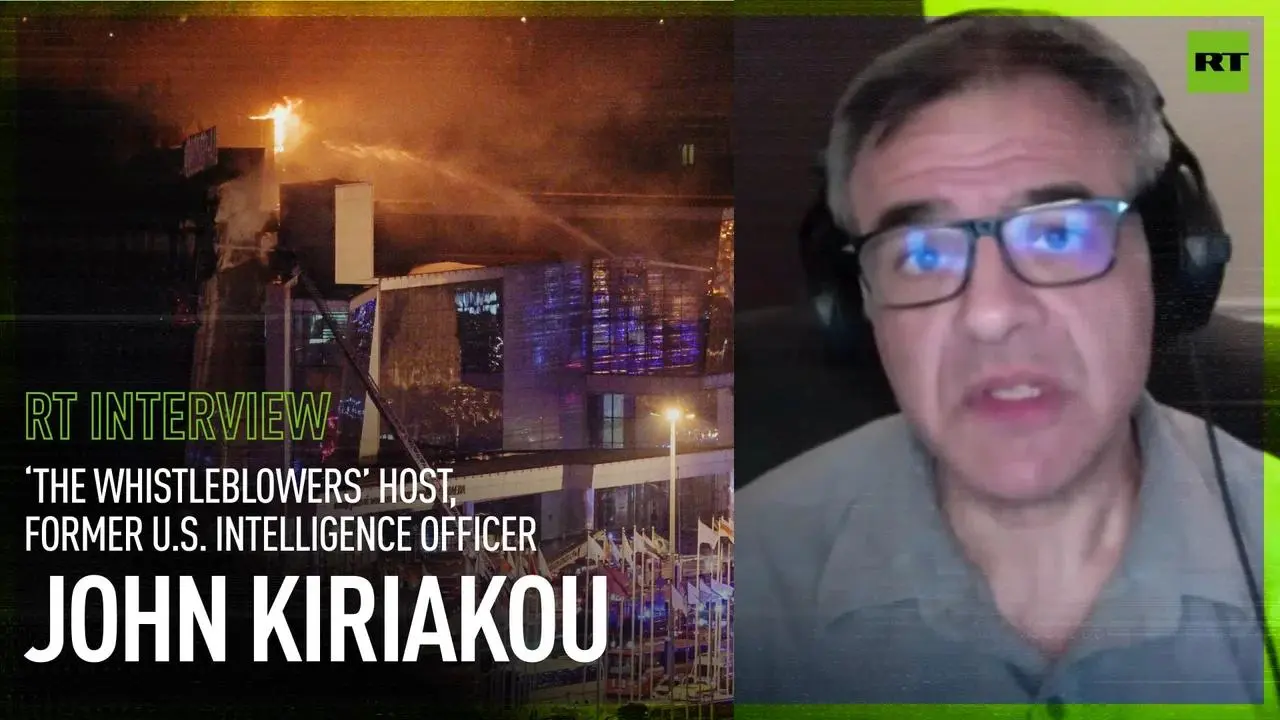
John Kiriakou is a prominent figure in the realm of whistleblowing, known for his role in exposing the CIA’s controversial torture practices during the George W. Bush administration. His actions have sparked significant debate about ethics, transparency, and accountability in government practices. Kiriakou’s story is particularly important today as societies grapple with issues of privacy, civil liberties, and the balance between national security and human rights.
Background and Whistleblowing Action
Kiriakou, a former CIA officer, gained national attention in 2007 when he became the first U.S. government official to confirm the existence of the agency’s enhanced interrogation techniques, which critics labeled as torture. His disclosures appeared in an ABC News interview, where he described methods employed against detained terrorists following the 9/11 attacks. Kiriakou asserted that such methods were not only morally questionable but also ineffective for garnering reliable intelligence.
Legal Consequences and Public Impact
In 2012, Kiriakou pled guilty to violating the Intelligence Identities Protection Act for leaking the name of a covert operative, resulting in a 30-month prison sentence. His incarceration raised questions about the treatment of whistleblowers and emphasized the risks faced by individuals who expose government malfeasance. In recent years, several advocacy groups have rallied behind Kiriakou, calling for reforms to protect whistleblowers and respect their contributions to democracy.
Current Developments
Since his release, Kiriakou has continued to speak out against torture and the practices of U.S. intelligence agencies, becoming a vocal advocate for civil liberties. He has appeared on various media platforms, articulating the continued relevance of his message. Additionally, Kiriakou has written extensively about his experiences, shedding light on the often murky operations of intelligence agencies and advocating for greater transparency.
Conclusion
John Kiriakou’s journey from CIA officer to whistleblower illustrates the significant moral dilemmas faced by individuals within government structures. As debates surrounding national security and civil rights evolve, Kiriakou’s narrative serves as a crucial reminder of the importance of accountability and ethical standards in intelligence operations. Looking ahead, it is likely that discussions around whistleblower protections will intensify, especially as new regulations and policies are introduced in an era emphasizing both security and personal freedoms.