Introduction
Schiaparelli, founded by the Italian designer Elsa Schiaparelli in the 1920s, remains a pivotal name in the fashion industry, celebrated for its daring and innovative designs. The brand is characterized by its unique blend of artistry and avant-garde aesthetics, which continues to inspire contemporary fashion. Recognizing Schiaparelli’s relevance today underscores the enduring impact of historical fashion houses on modern design.
Historical Significance
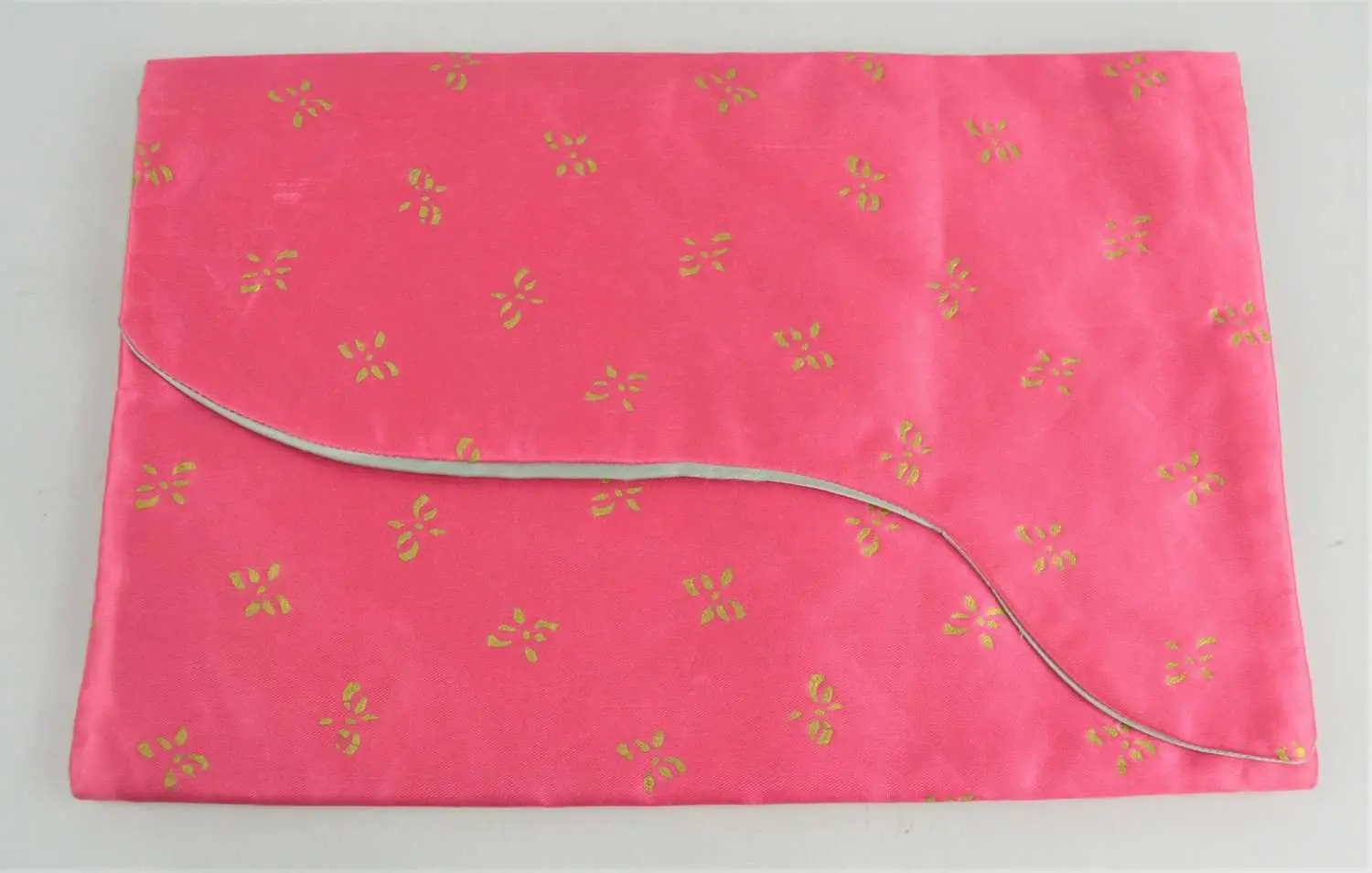
Elsa Schiaparelli was one of the first to challenge the conventional norms of women’s fashion. She introduced the concept of “shocking pink,” and collaborated with surrealist artists like Salvador Dalí and Jean Cocteau, leading to creations that blurred the lines between art and fashion. Notable pieces from her collection include the “Lobster Dress” and “Tear Dress,” which embody her humor and wit. Schiaparelli’s innovative approach helped to establish the couture scene in Paris and paved the way for future generations of designers to embrace creativity and individuality.
Revival of the Brand
After a period of dormancy, the Schiaparelli brand has experienced a significant revival under the creative direction of Daniel Roseberry since 2019. With a focus on the brand’s heritage, Roseberry has rejuvenated Schiaparelli by incorporating modern elements while paying homage to its surrealist roots. The Spring/Summer 2023 collection was particularly noteworthy, showcasing dramatic silhouettes and symbolic motifs that evoke Schiaparelli’s original visionary spirit. The fashion house has garnered attention on runways and red carpets alike, further solidifying its status in the luxury market.
Current Trends and Impact
As of 2023, Schiaparelli has not only captured the hearts of fashion enthusiasts but has also made headlines with celebrity endorsements. High-profile figures like Lady Gaga and Kylie Jenner have donned Schiaparelli designs, leading to increased visibility and a resurgence of interest in haute couture. Additionally, the brand’s commitment to sustainability and ethical practices reflects a growing trend in the fashion industry, appealing to a more conscious consumer base. Schiaparelli serves as a model for how historical brands can adapt and thrive in an evolving market.
Conclusion
The legacy of Schiaparelli extends beyond its historical roots; it remains a powerful influence in current fashion dialogues. As the brand continues to innovate while honoring its past, it serves as a valuable lesson for emerging designers about the importance of creativity and artistic expression in fashion. Enthusiasts and industry professionals alike can look to Schiaparelli as a beacon of inspiration, ensuring that the surreal spirit of this iconic house will endure in the fashion narrative for years to come.