Introduction
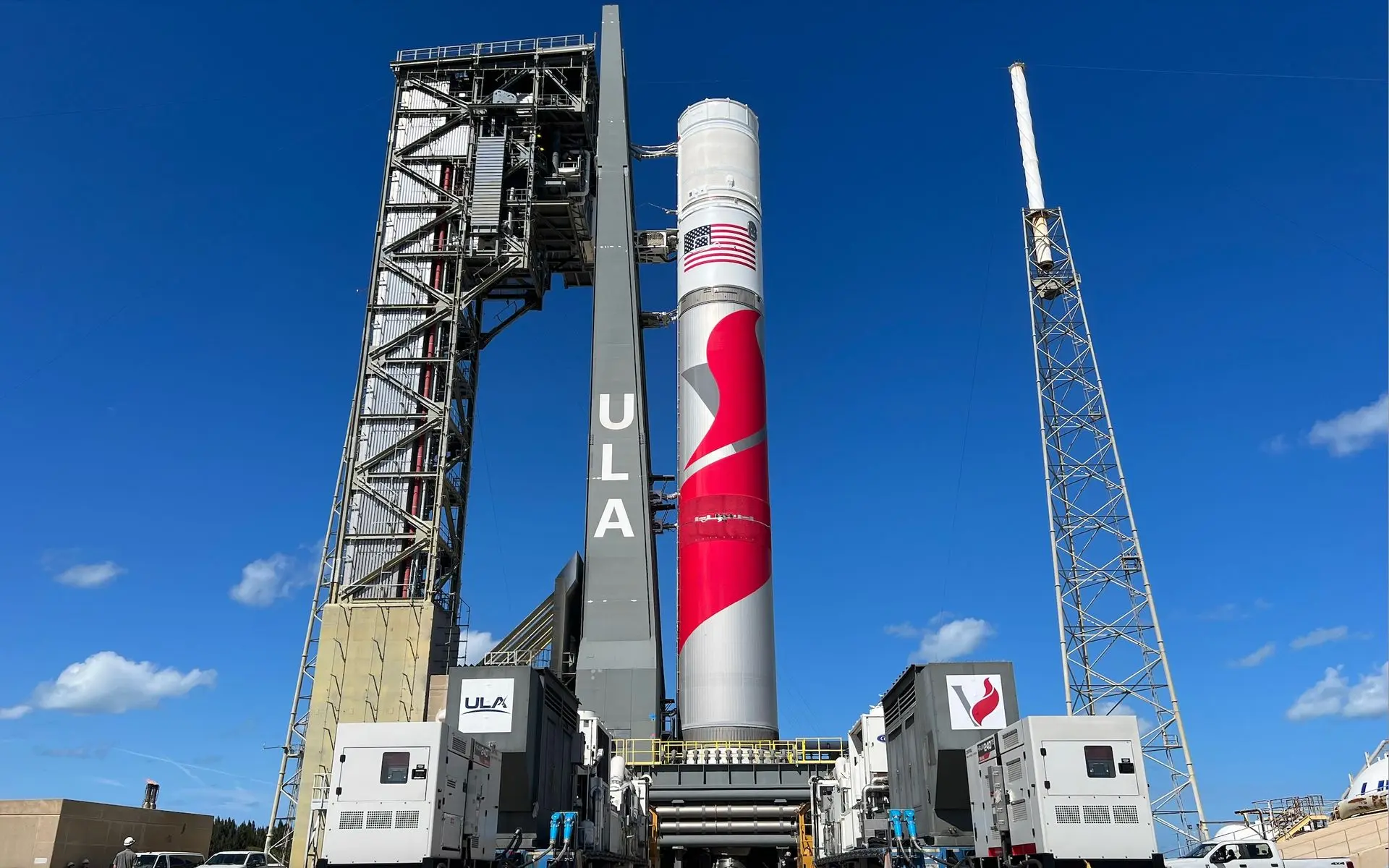
The United Launch Alliance (ULA) is poised to launch its advanced Vulcan Centaur rocket, marking a significant milestone in the evolution of space exploration. As the commercial space market continues to grow, the ULA Vulcan launch signifies not only the technological advancements in launch capabilities but also the increasing competition among private and government space agencies. Scheduled to occur later this year, the Vulcan’s inaugural flight is anticipated to set new benchmarks in payload capacity, cost efficiency, and environmental sustainability.
Details of the ULA Vulcan Launch
Originally announced in 2014, the Vulcan Centaur rocket is designed to replace the Atlas V and Delta IV rockets, which have historically formed the backbone of ULA’s launch operations. With a payload capacity of up to 27,000 kg to geostationary transfer orbit, the Vulcan is engineered to carry a variety of payloads, including satellites and interplanetary missions.
The first launch of the Vulcan Centaur is set to take place from Cape Canaveral Space Force Station in Florida. The rocket will feature innovative technology, including the BE-4 engine developed by Blue Origin, which aims to provide a more powerful, efficient, and reusable solution. ULA has committed to making each Vulcan launch more environmentally friendly, using liquid natural gas and liquid oxygen as its propellant, which significantly reduces carbon emissions compared to traditional fuels.
Significant Events Leading Up to the Launch
As of September 2023, ULA has completed several crucial milestones leading to the Vulcan’s launch. These include successful ground tests of the BE-4 engine, full-scale testing of various rocket components, and final assembly processes. Additionally, ULA has secured several launch contracts with both government and commercial clients, further solidifying the Vulcan’s position in the competitive launch market.
Conclusion
The ULA Vulcan rocket launch represents a pivotal moment in the landscape of space exploration. By combining advanced technology, enhanced efficiency, and commitment to sustainability, ULA is set to redefine what is possible in space missions. Observers speculate that the success of this launch could enhance U.S. capabilities in space, foster more collaborations within the industry, and accelerate innovations that spur further explorations beyond our planet. As the launch date approaches, industry experts and space enthusiasts alike are eagerly anticipating the Vulcan’s role in shaping the future of space travel.